
Note: This website was automatically translated, so some terms or nuances may not be completely accurate.
Interview: "Hot Topics and Noteworthy Products of 2013" What Deep-Seated Consumption Trends Reveal Part 2
[Part 2]
 |
 |
When regional areas thrive, all of Japan prospers
Sodegawa: Based on the trends of 2013 , what are your impressions of the five trends we identified as keywords for anticipating the mood of the coming era and the underlying trends in products?
Miura: My interpretation of "A Future Within Reach" is that it's not a future where time just vaguely passes by. Rather, it's a future that has become clearly visible, encompassing the Tokyo Olympics and the super-aged society beyond that. We're seeing more near-future works in books and on TV, and my own book, Japan in 2030: What the Data Reveals, also has a tangible sense of this.
Sodegawa: Is that future a bright one?
Miura: Real istically speaking , it's hard to be overly optimistic. However, regarding the economy, there's significant hope for escaping deflation, and emotionally, I want to believe that too. In that sense, I certainly understand the prevailing mood of "offensive action holds value."
The trend toward "casual luxury" also seems to be a situation as pointed out. With the Olympics coming, it's probably about being a bit more active, a bit more proactive for now. Then, I'm curious about "grassroots power." What does that feel like?
Sodegawa: As Mr. Miura pointed out earlier , three Tokyo-related items made the list under "Products" and "Current Affairs/Social Trends," giving the impression of Tokyo dominating. Yet, information dissemination from regional areas is also growing stronger. The broader this grassroots base becomes, the more the whole of Japan should thrive. With that expectation in mind, we included grassroots power as one of the keywords.
Basis strength also connects to "fresh harmony"
Miura: At the current rate of decline , Japan's population is projected to reach 80 people by the year 3000. This decline isn't uniform across the country. Take my hometown, Joetsu City in Niigata Prefecture – it's a city of 200,000 now, but it seems it will shrink drastically even 100 years from now. Cities like this will likely be found all over the country. When you consider such a bleak future, surely everyone would agree that Tokyo dominating alone isn't good.
If Japan's total population were to reach 45 million in 100 years, everyone could live within the Kanto region's one metropolis and six prefectures. But is it acceptable for the rest of the country to be empty? Is that the kind of Japan we want? Surely not.
Therefore, I believe the major challenge will be how to maintain and enhance Tokyo's strength while also dispersing it. In that sense, "base strength" is an important perspective.
Sodegawa: You're absolutely right.
Miura: People who have lived in Tokyo might find it hard to completely abandon "Tokyo" as their place of activity . But , for example, the idea of earning in Tokyo while keeping their official residence in a regional area could work. Local governments facing fiscal strain would likely welcome that.
Once the Hokuriku Shinkansen is operational, it will take about two hours to reach Tokyo from Joetsu City. Even while living in the regions, people could come to Tokyo for work only when necessary and return immediately. From a disaster risk management perspective, this redundancy creates a clear advantage.
Sodegawa: Many people working in Tokyo might actually be able to perform better living in the regions than they do in Tokyo.
Miura: I think more people will choose this lifestyle going forward—taking the knowledge accumulated in Tokyo and applying it in regional areas.
Sodegawa: This connects to the concept of " grassroots power ." We highlighted the keyword "Fresh Japan" to capture how the appeal of "Wa" (Japanese harmony) is being perceived anew—whether in ancient traditions like the Ise Grand Shrine's periodic relocation or contemporary phenomena like the "kawaii" culture. What are your thoughts on this?
Miura: Including those who have moved from the city to the countryside, the younger generation who have awakened to the appeal of rural areas while living in the city are becoming increasingly sensitive to this. Back in the 80s when we were young, the features in youth magazines and what department stores promoted were the same. Buy these 3,000-yen socks, or buy that 100,000-yen sweater. But now, while department stores remain the same, youth magazines have changed significantly, featuring specials on "used books" or "living in the countryside." That's precisely the same mindset as "grassroots power" and "fresh, Japan."
|
|
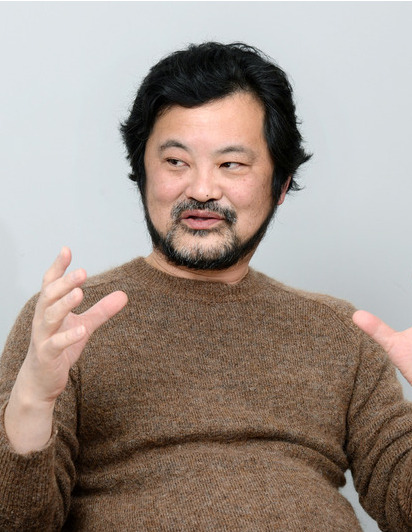
Miura Noboru (Miura Atsushi)
|
|
|
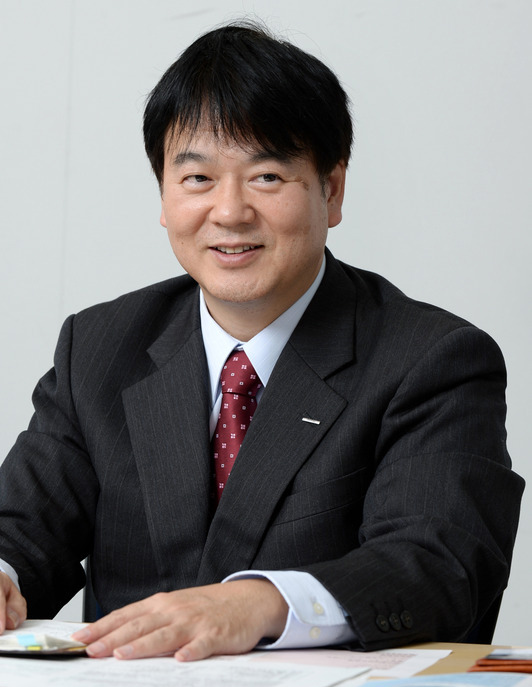
Yoshiyuki Sodekawa (Sodekawa Yoshiyuki) |
Was this article helpful?
Share this article


