
Note: This website was automatically translated, so some terms or nuances may not be completely accurate.
JOC President Takeda Interview: "Toward the 2020 Tokyo Olympic and Paralympic Games" Part 2
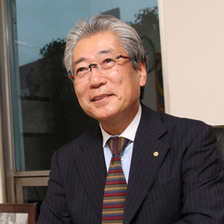
Tsunehisa Takeda
Discussing the Grand Design for the 2020 Games
"A Movement Only Possible on the Second Attempt"
Reexamining the Olympics' Roots
―Could you share the grand design for the Tokyo Games, or rather, the vision currently in Chairman Takeda's mind?
Takeda: Well, since this is our second time hosting, I believe we can create a Games that are truly unique to a second hosting. The 1964 Tokyo Games were a challenge in every way. This time, we want to leverage that experience and create something that will become a model for future Olympics. For example, I think it's also important to revisit the "origins of the Olympics."
―What message do you want to convey to the world through the Games?
Takeda: Not only the Games themselves in 2020, but various international competitions and conferences will be held in Tokyo leading up to it. For the next seven years, Tokyo will inevitably be the focus of global attention. This presents an excellent opportunity to showcase Japan's traditional culture, symbolized by "omotenashi" (hospitality), and our advanced technologies like environmental solutions to the world.
The spotlight won't be solely on Tokyo. Delegations from over 200 countries and regions will arrive, with many setting up training camps at local sports facilities. In each camp location, local residents will welcome and cheer on the athletes from those nations. This will naturally expand the circle of international goodwill. Of course, it will also boost local communities.
While specifics are still being worked out, plans are already being developed to link festivals across Japan with the Olympic and Paralympic Games. Connecting the world's largest sporting festival with regional festivals throughout Japan – I think it's a truly exciting idea.
―So the benefits the Olympics bring extend far beyond just economic impact, right?
Takeda: In Tokyo's case, beyond infrastructure improvements like the transportation network, I believe the cityscape of this major metropolis will undergo significant changes. For example, the Tokyo Metropolitan Government is advancing a project to double the number of street trees to one million and create over 1,000 hectares (equivalent to about 210 Tokyo Domes) of new green space. This greening initiative, along with barrier-free environment improvements, should serve as a catalyst for major urban structural transformation.
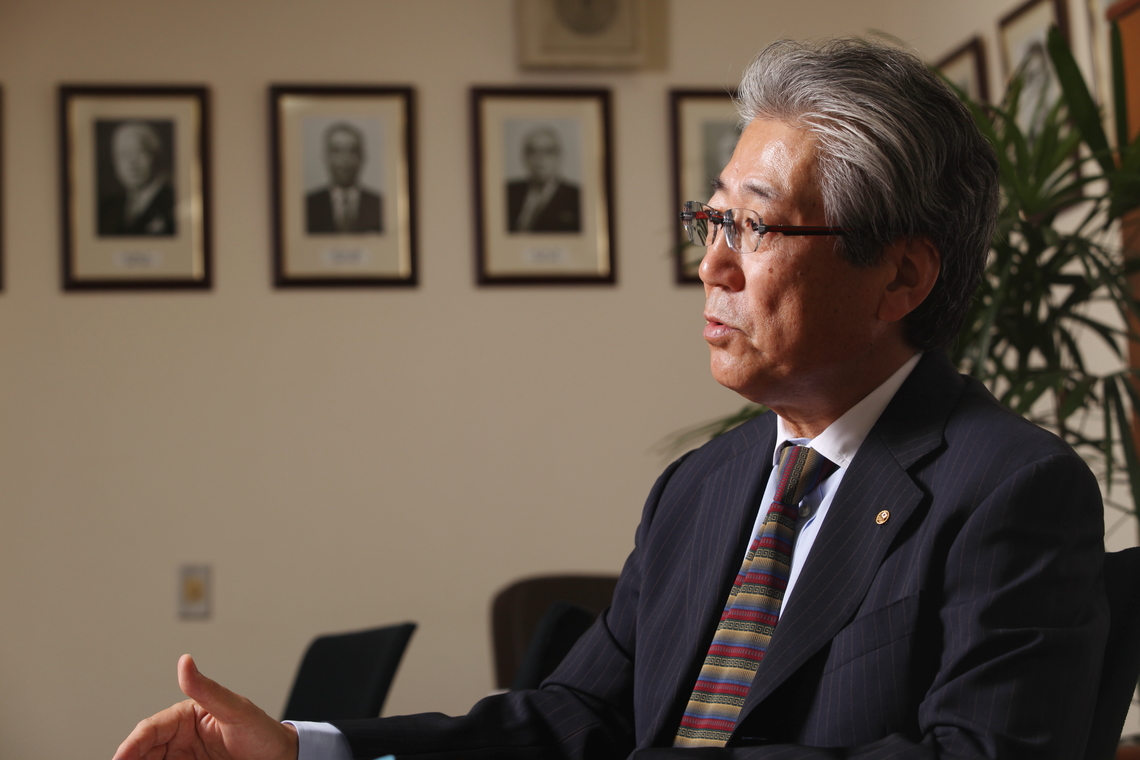
Legacy to Inherit and Legacy to Pass On
When discussing what the Olympics bring, terms like the "Olympic Movement" and "Olympic Legacy" were frequently used during the bid campaign.
Takeda: The Olympic Movement is what the IOC values most. It embodies the noble ideal of sharing the wonders of sport worldwide, deepening mutual understanding through participation, and fostering world peace. Beyond spreading the Olympic spirit—which values Friendship, Excellence, and Respect—the Olympic Movement encompasses a wide range of activities, including economic support for developing countries, promoting women's participation, and hosting the Paralympics. In terms of understanding and advancing this Olympic Movement, I believe hosting the Games for a second time holds significant meaning.
Legacy refers to both tangible and intangible assets. Tangible legacies include competition venues such as the National Yoyogi Stadium, Tokyo Metropolitan Gymnasium, and Nippon Budokan, which were inherited from the previous Tokyo Games and will be renovated and utilized for the 2020 Games. Among the new venues, half—11 venues—will become permanent facilities, creating new legacies. Part of the Athletes' Village is being considered for conversion into a facility serving as a hub for international exchange research and collaborative projects after the Games.
On the intangible side, there are various initiatives aligned with the Olympic Movement. One example is the "Sports for Tomorrow" initiative mentioned by Prime Minister Abe in the final presentation. This is a major project where young Japanese people contribute to developing sports environments for nearly 10 million people across 100 countries, including developing nations. It will leave a valuable legacy not only in fostering a spirit of volunteerism but also in deepening bonds of trust with people in developing nations.
(Continued in Part 3 )
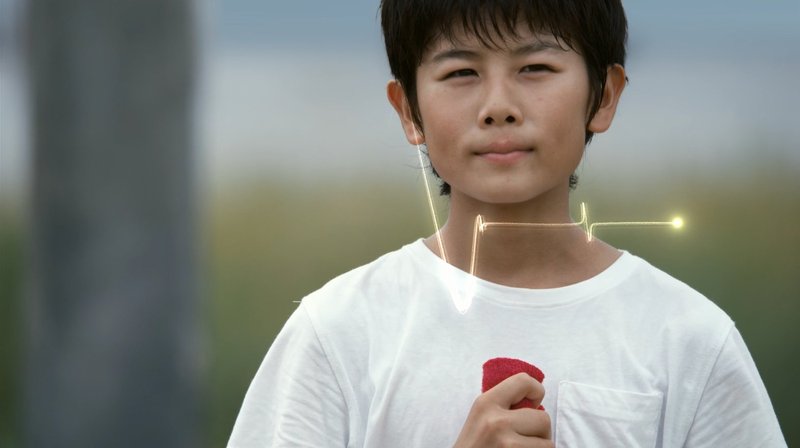
"Share the Pulse," screened at the final presentation venue, powerfully impressed upon us the greatness of sport, leaving an enduring "Olympic legacy" in our hearts.
Was this article helpful?
Share this article


Newsletter registration is here
We select and publish important news every day
For inquiries about this article
Author
Tsunehisa Takeda
Public Interest Incorporated Foundation Japan Olympic Committee (JOC) President
Born in 1947. Graduated from Keio University. Competed as a member of the Japanese equestrian show jumping team at the Munich and Montreal Olympics. After retiring from active competition, he served as coach (Seoul) and manager (Barcelona) of the Japanese national equestrian team. Became President of the Japanese Olympic Committee (JOC) in 2001. In July 2012, he became Japan's 13th International Olympic Committee (IOC) member.