
Note: This website was automatically translated, so some terms or nuances may not be completely accurate.
Interview: "Hot Topics and Noteworthy Products of 2013" What Deep-Seated Consumption Trends Reveal Part 1
"Consumers' 2013 Hot Topics & Top Products Ranking" What Deep-Seated Consumption Trends Reveal
"To Survive Difficult Times, 'Success Experiences' Are Absolutely Essential"
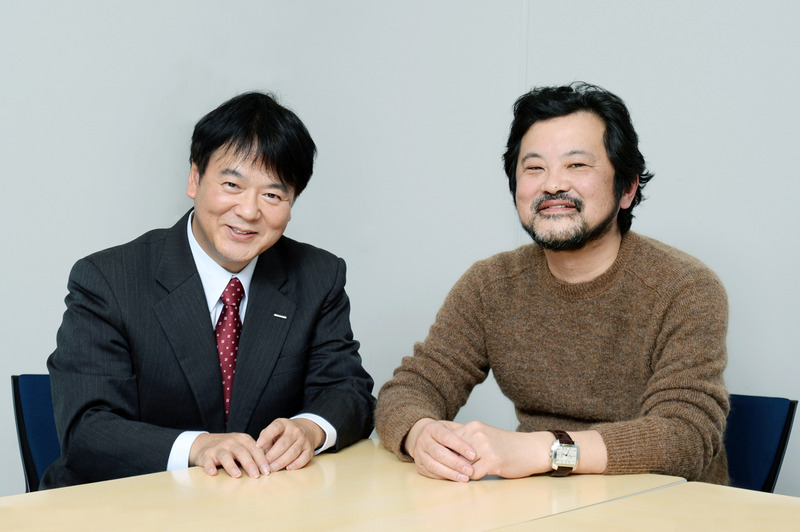
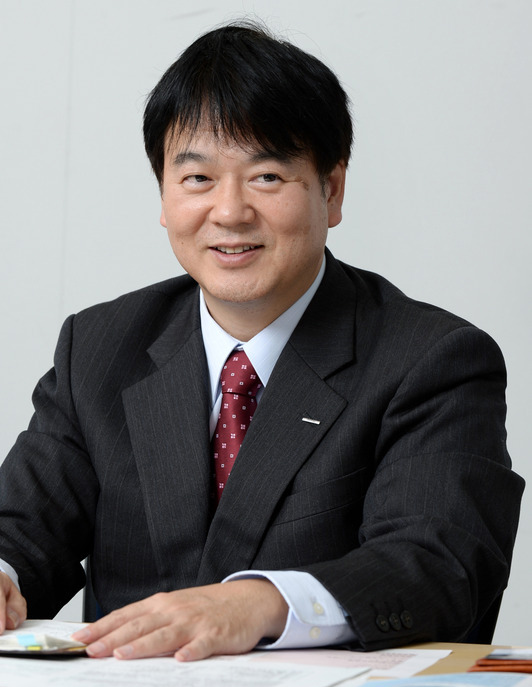
Yoshiyuki Sodezawa, Senior Researcher at DENTSU SOKEN INC. who compiled the "2013 Hot Topics & Noteworthy Products" report, invited Nobu Miura, a leading authority on consumer society analysis. They discussed impressions and opinions on the keywords revealed in the report, as well as the "Future of Japan" visible through those keywords. This discussion will be presented in three parts.
 |
 |
[Part 1] Consumers Seek "Sense of Place"
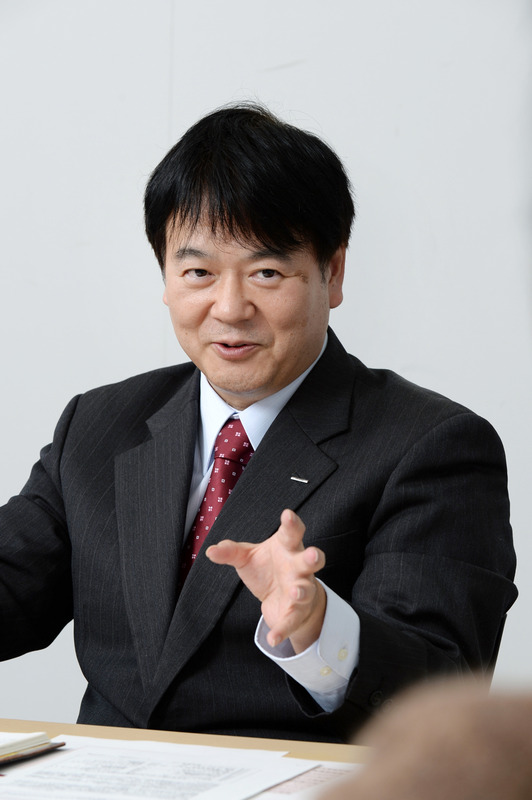
Sodegawa: After reviewing the top 20 "Topics and Noteworthy Products of 2013 Chosen by Consumers," what are your overall impressions?
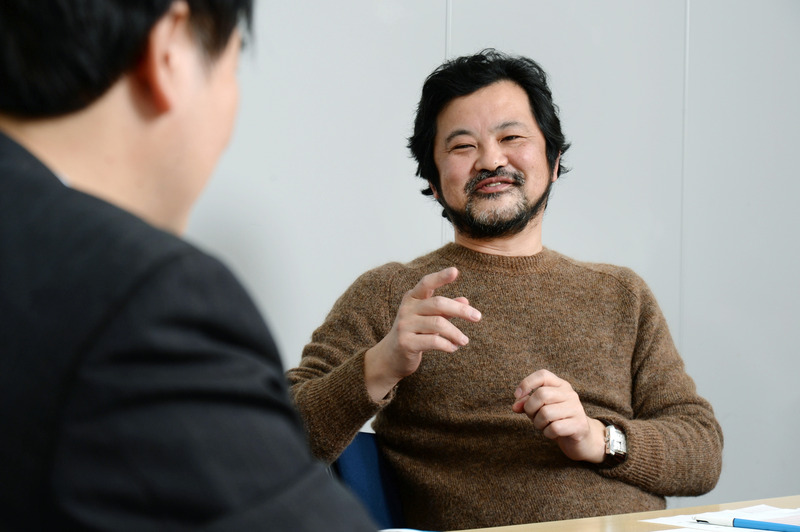
Miura: This year saw the effects of Abenomics, the successful bid for the Tokyo Olympics, and the younger generation finally embracing social goals. Indeed, since the bubble burst—no, even before that—the broader public hadn't held such social aspirations. It feels like the joy of having social goals is finally beginning to take root.
When people have goals, they think of ways to achieve them. This connects to the "attainable future" mentioned among the five keywords in the report. There's a growing focus on practical, concrete steps to achieve these goals. That's why, looking at hit products, many are very straightforward: the world's tallest, or coffee this delicious for just 100 yen.
The "Top 10 Current Events and Social Trends of 2013 as Chosen by Consumers," announced alongside the "Trending/Notable Products," lists the Tokyo Olympic bid in third place. That means, combined with the "Tokyo Skytree" and "Tokyo Station" ranked among the "products," there are three so-called "Tokyo-related" entries.
Sodegawa: That's true, but behind Tokyo's spotlight is support from regional areas. Tokyo Skytree ranked 3rd in 2011, 2nd last year, and its position has steadily risen to finally take 1st place this year. Regional areas actively promote Tokyo tourism campaigns, and I believe the driving force behind Tokyo Skytree's 1st place is votes from these regional areas.
Miura: Speaking of that "regional" aspect, today's consumers seem to have a very strong attachment to "place." Looking at the rankings, besides the "Tokyo things," there are indeed several "regional things." You can see this consciousness of being particular about "place" – wanting to do something in that specific location, wanting to do it in a place that's authentic for that activity, or wanting to eat the best local food right where it's from. With the spread of SNS, when individuals share information like "There's this event happening there," people will readily travel even long distances. That's because they're seeking that sense of place.
Sodegawa: So social media plays a role in this obsession with place?
Miura: Right now, as we speak, information like "There's a party this weekend" or "A friend is having a photo exhibition, let's go see it" is spreading through SNS. For example, if there are 3,000 such topics spreading, and 10 people act on each one, that's 30,000 people total. That 30,000 people is roughly the scale of the crowd walking down Shibuya's Park Street on a Saturday afternoon back in the day. Nowadays, people aren't gathering en masse at one large hub. Instead, individual preferences for specific locations are being satisfied as people disperse to different spots.
Target seniors, and the middle-aged and young will follow.
Sodegawa: Regarding the rankings, did you notice anything else?
Miura: Car topics ranked 2nd and 5th. My recent analysis shows that young people aren't as uninterested in purchasing as commonly believed. However, their preferences have definitely changed from the past. They prioritize affordability and show strong interest in environmental technology. These themes resonate well with both younger generations and women, which likely explains their high ranking.
Also, overall, I sense companies are targeting seniors. Items like salted koji, premium products, special health foods, and Tokyo Station all lean heavily toward seniors. For young people, LINE is about the only thing. Even the flipbook manga seems to resonate more with middle-aged and older adults than with youth. (Note from DENTSU SOKEN INC.: Tekken's "Flipbook Manga" ranked 5th among women in their 50s).
In food, for example, a certain brand's canned sardines are lightly seasoned, clearly targeting health-conscious seniors. Their commercials even feature a couple around 70.
However, even when targeting seniors, the image isn't that of stereotypical grandpas and grandmas, but rather stylish, active seniors. The current trend is that when products are designed with this modern senior image in mind, both middle-aged and young consumers follow. Products made for seniors tend to be healthy, low-priced, yet surprisingly good quality, easy to use, and safe.
Sodegawa: That's an interesting perspective.
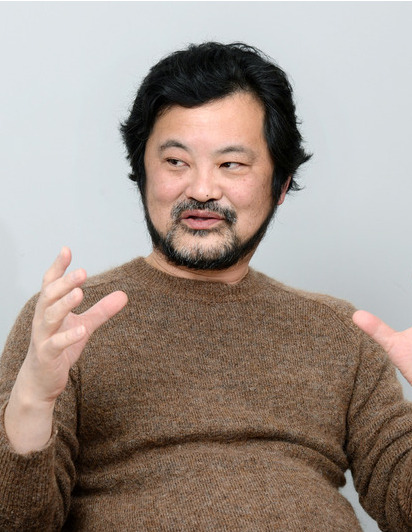
Miura: Young people used to say things like "I want exciting drinks" or "I like strong alcohol," but today's youth have more subdued tastes. For cars and alcohol alike, products once considered "for seniors" better match their preferences. In other words, the age gap is disappearing. Furthermore, the gender gap is vanishing too. Even with clothing, it's non-gendered and non-age-specific. Older men are becoming more youthful, young men are embracing homemaker tendencies, and middle-aged men are developing a "homebody" orientation like women once did. Meanwhile, middle-aged and older women are venturing out more than ever, rivaling men. In other words, relative differences are fading, creating a chaotic convergence point, like being sucked into a black hole.
Sodegawa: It's an image of convergence, isn't it?
Miura: So, if you consider that greatest common denominator, you could actually say it's an era where things are easier to create. Those who do it well are the ones generating mega-hits.
Sodegawa: This year's hit products seem to have that greatest common denominator. If so, premium-oriented products still have plenty of room to grow.
M iura: I think there are plenty of products we can create.
|
|
Miura Atsushi (Miura Atsushi)
|
|
|
Yoshiyuki Sodekawa (Sodekawa Yoshiyuki) |
Was this article helpful?
Share this article


