Category
Theme

Note: This website was automatically translated, so some terms or nuances may not be completely accurate.

Generative AI tools like ChatGPT are increasingly used daily by companies as information gathering methods and creative production tools. As their adoption spreads further across society, how will marketing and communication change? What challenges and risks might arise?

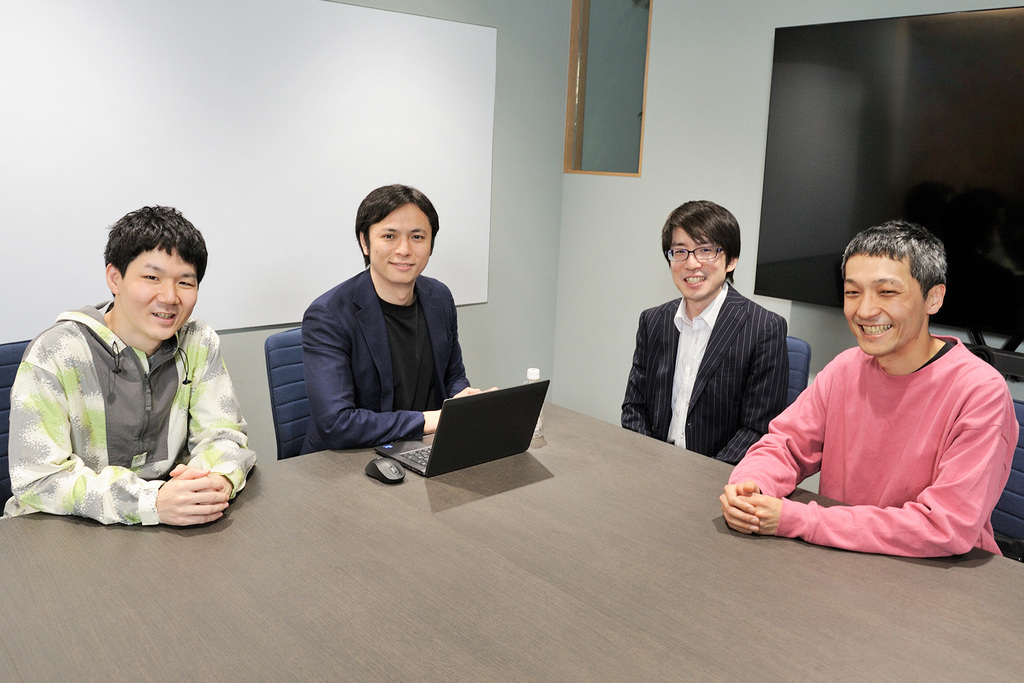
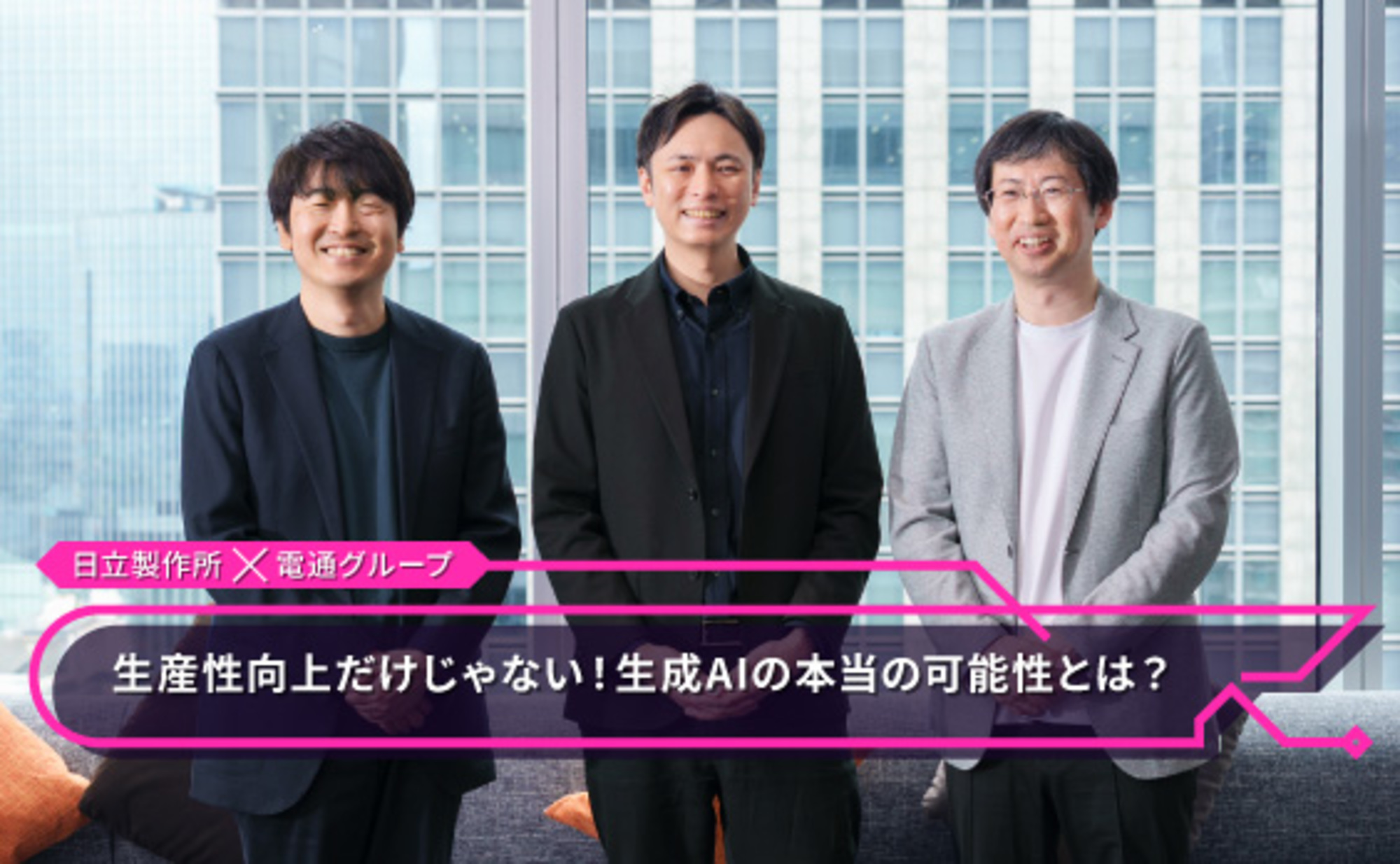
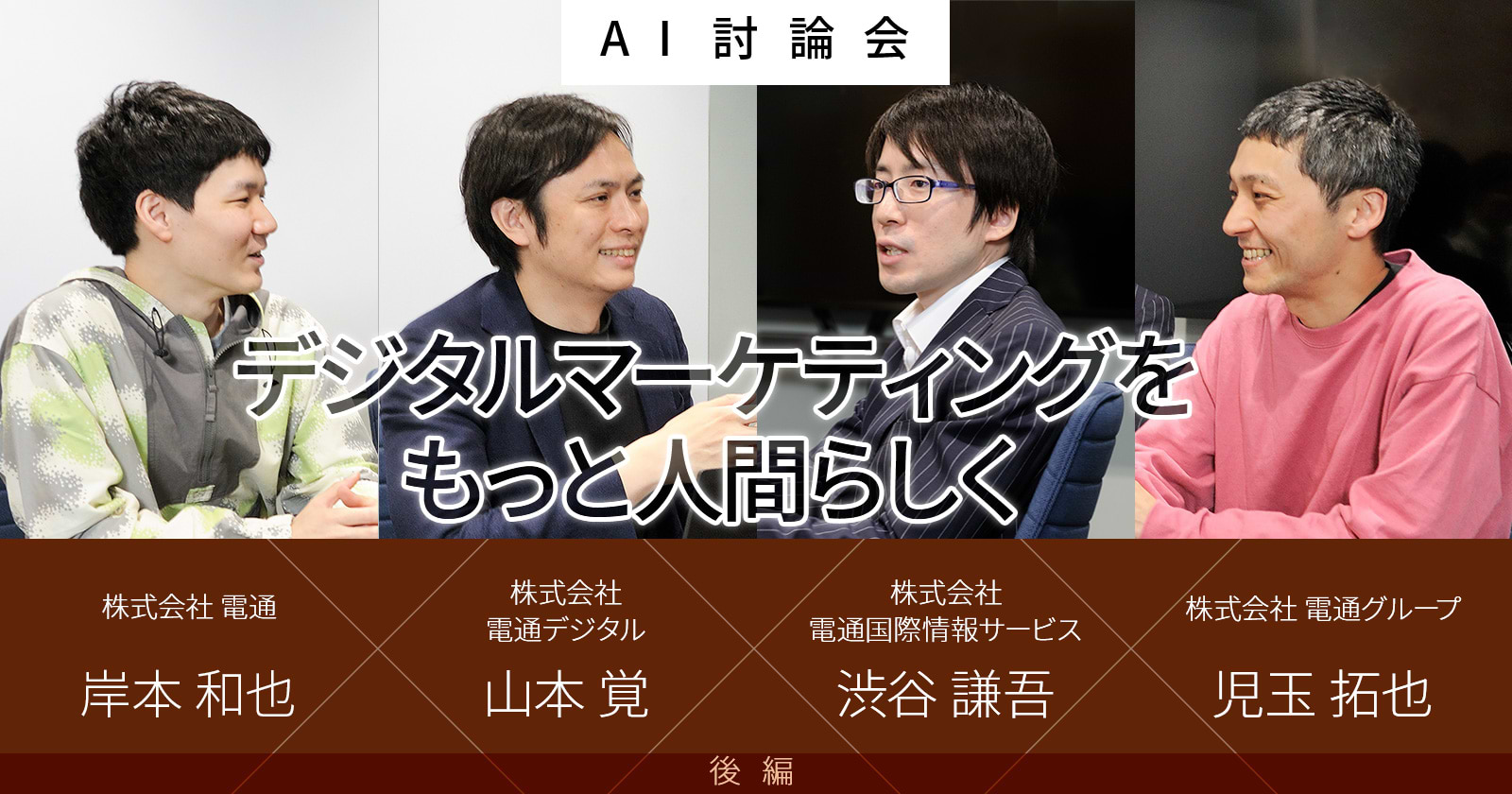
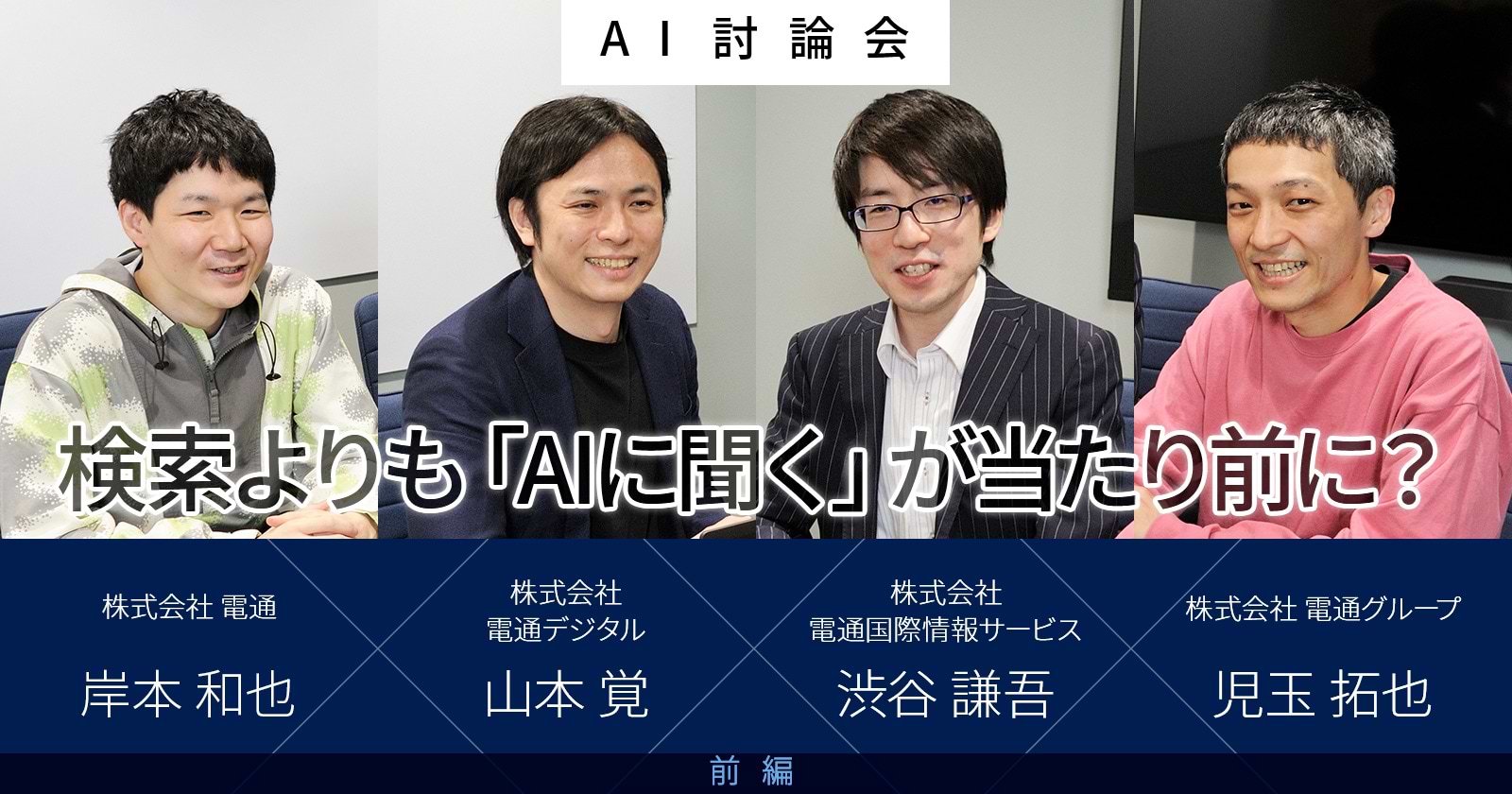
Four experts discussed these questions: Takuya Kodama of Dentsu Group Inc., who oversees the "AI MIRAI" project driving AI adoption across the Dentsu Group; Kazuya Kishimoto of Dentsu Inc., also an AI MIRAI member working on AI-powered creative operations; Satoru Yamamoto of Dentsu Digital Inc., engaged in AI-driven marketing support; and Kengo Shibuya of Dentsu International Information Services Inc. (ISID), Kengo Shibuya, engaged in a discussion.

Making Digital Marketing More Human
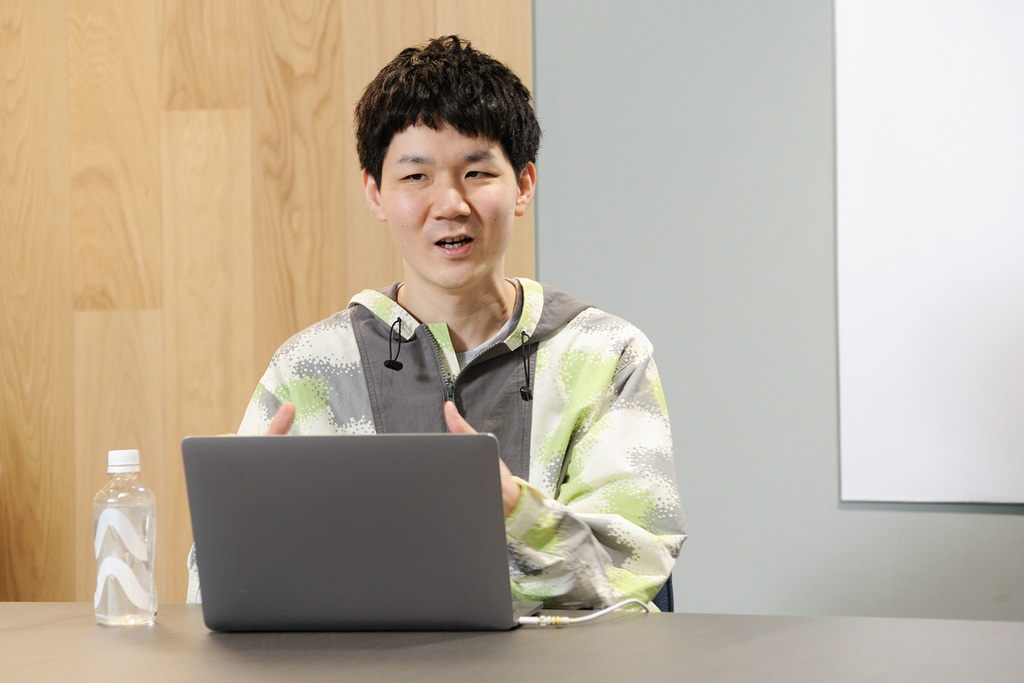
Kodama: I think many traditional chatbots were bland, mechanically returning predefined responses. ChatGPT, on the other hand, enables more natural, human-like dialogue. Consequently, there seems to be significant expectation for initiatives that chatbotify characters or corporate personalities.

Kishimoto: ChatGPT represents a dramatic leap forward in expressive richness compared to traditional chatbots. Shortly after ChatGPT's release, we received inquiries from a publisher asking if we could create a chatbot based on their manga characters. Many other companies also express tremendous expectations for ChatGPT, frequently asking us, "Can ChatGPT do this?"

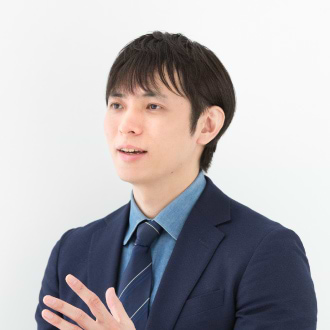
Dentsu Inc. Kishimoto Kazuya

Kodama: I previously built a system that provides feedback on ideas from various perspectives. For instance, I'd ask it to "critique this from a sustainability standpoint" to validate ideas.Now, avatar chatbots based on personas can be created easily. By assuming these avatars are users and asking them for feedback on new products or ad campaigns, or conducting interviews, user understanding becomes dramatically more refined. Utilizing generative AI in this way could make digital marketing strategies much more high-resolution. I believe many companies share this expectation.

Yamamoto: Currently, Dentsu Digital Inc. is advancing an initiative called " Humanized Digital Experience (HDX)." Within this, a key focus is how to realistically reflect human communication—including eye contact, tone of voice, and gestures—in avatars.It's said that only about 10% of human communication relies on verbal language, with the rest conveyed through facial expressions, voice quality, and gestures. Therefore, subtle differences in an avatar's mannerisms could very well significantly impact conversion rates.

Kodama: That sounds fascinating. Of course, AI still faces various challenges, and how deeply it will integrate into society remains uncertain. However, there's no doubt that the use of generative AI will fundamentally transform how companies communicate with customers. For example, customer information, which was previously scattered across service introduction sites, dedicated payment/reservation sites, and social media, could be consolidated into a single corporate bot. Moreover, through close communication via human-like avatars engaging in natural conversation, we might accumulate rich, detailed insights previously unattainable.

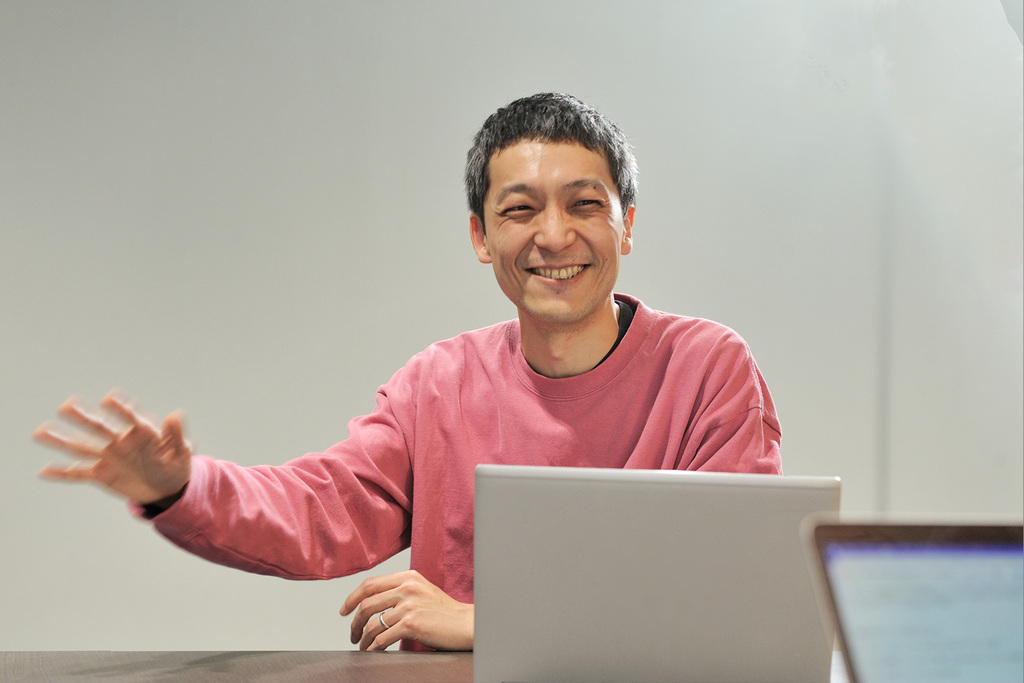
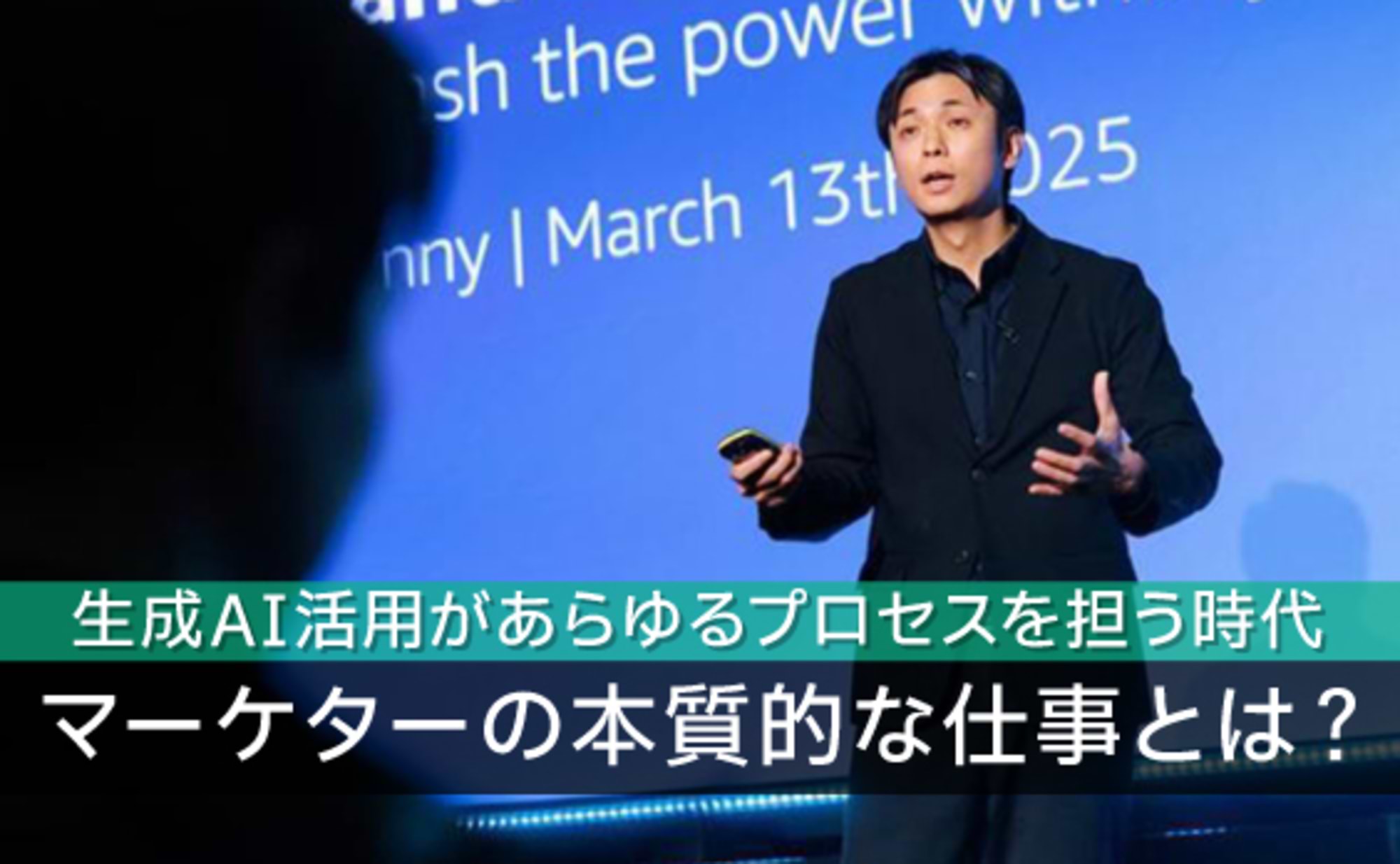
Takuya Kodama, Dentsu Group Inc.

Society and laws are struggling to keep pace with the evolution of generative AI
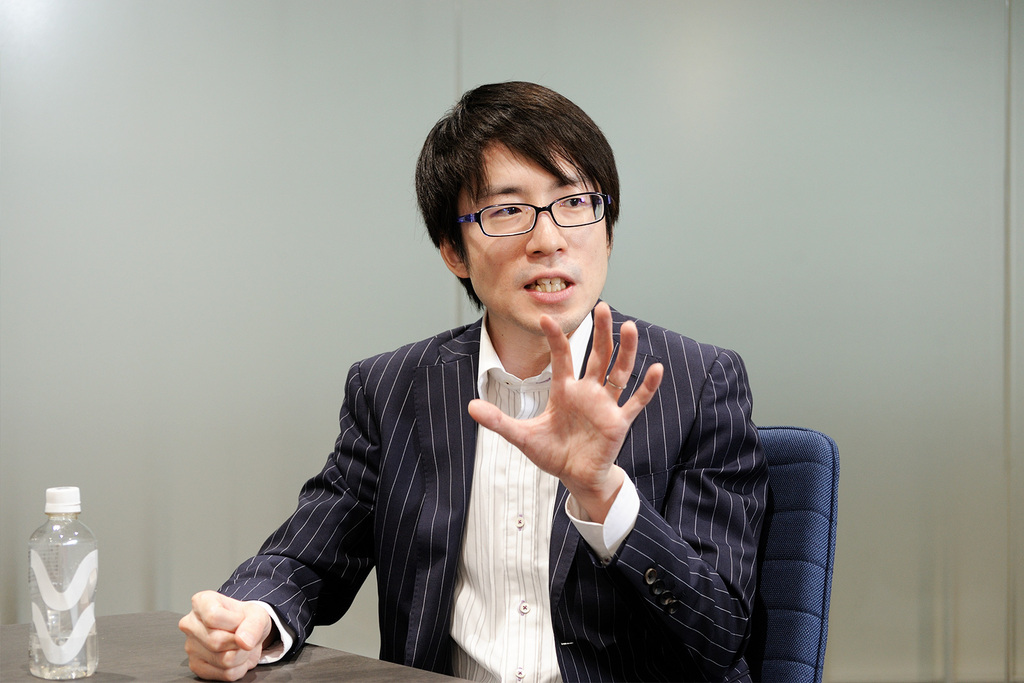
Kodama: By the way, generative AI like ChatGPT is said to carry various risks and issues. What do you think we need to be particularly cautious about?

Shibuya: I believe we need to closely monitor how negative sentiments and ethical issues surrounding AI will be resolved going forward. Regarding ChatGPT, from a system integrator's perspective, over-reliance on OpenAI, a single research organization, is considered a risk. Currently, there is a possibility that the service itself could be shut down due to some trigger. If that happens, it's important to note that projects currently under development could also face the risk of collapse.

Dentsu Inc. Kengo Shibuya

Kishimoto: Currently, the biggest concern when releasing services incorporating conversational AI using large language models is probably prompt injection. This refers to making the AI behave in ways the developers didn't anticipate by asking it specific questions or giving it commands.A few years ago, before generative AI emerged during the simpler deep learning era, an AI chatbot from a certain company started making discriminatory remarks due to malicious user prompts. While various countermeasures against prompt injection exist, they are often quickly bypassed, creating a cat-and-mouse situation.

Kodama: Another problem is that the potential damage to companies resulting from prompt injection isn't yet clearly understood. What liability does a company face when a chatbot makes hurtful statements? What about copyright for content generated by AI? These matters remain unclear. Society and the law haven't caught up with the evolution of generative AI.

However, doing nothing could mean falling behind companies that are actively pushing forward with its use. While we must be careful not to inconvenience customers or general users, I think there's also an aspect where we simply have to experience and learn from various patterns.

Anticipating uses developers never imagined
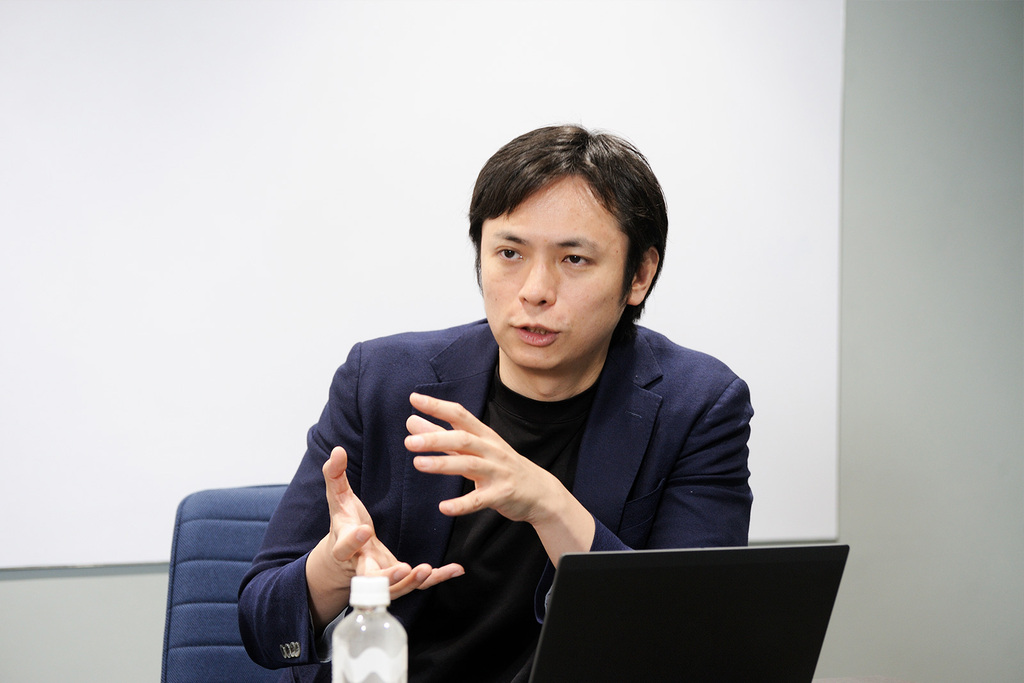
Kodama: Finally, just as a personal thought, could you share what you want to do with AI going forward? Your dreams or ambitions?

Shibuya: I've always been fascinated by the idea of translating the power of IT and computers into tangible, physical forms. I envision a world where robots act as intelligent partners, operating autonomously without explicit human commands. It's like having a personal AI assistant, similar to JARVIS from the Iron Man movies, in every home – an AI that intelligently supports every aspect of daily life through conversation. Large language models are incredibly compelling tools for achieving this vision.

Yamamoto: Since childhood, I've had a strong fear of death, making "the challenge of immortality" a major theme in my life. One way to overcome death, I believe, is to ensure your thoughts and ideas persist after you're gone. In the past, people might have left behind autobiographies to achieve this, but in the future, we might be able to preserve our avatars eternally.I dream of a world where, if my son faces difficulties in life, he can consult with my avatar, and I can provide him with timely and accurate advice.

Satoru Yamamoto, Dentsu Digital Inc.

Kishimoto: The history of technological development could also be called a "history of misuse." New possibilities are often opened up precisely because of incorrect usage. For example, software designed to correct pitch instability in singing voices, when used with extreme settings, enabled unique vocal effects, giving birth to captivating musical expressions.The "Transformer" learning model, which underpins ChatGPT, was originally developed to improve machine translation performance. I doubt even its developers anticipated at launch that it would become such a transformative technology for society. Using AI can generate things you never even imagined. That's what I look forward to most.

Kodama: When it comes to expression and creativity through generative AI, there's still enormous potential, right? I, too, want to keep creating new and exciting things across all kinds of fields.


Generative AI has the potential to make digital marketing more human-centered and significantly transform communication between companies and users. The Dentsu Group intends to continue solving the diverse challenges before us while expanding the possibilities of AI utilization.

The information published at this time is as follows.

Was this article helpful?

Share this article

Author

Kodama Takuya

Kodama Takuya

Dentsu Group Inc. / dentsu Japan

Group AI Strategy Team / Chief AI Master

After working as a client-facing producer for digital platform companies, he has been promoting the use of AI both within and outside the company since 2018. He is currently affiliated with Dentsu Group Inc., where he is involved in the AI and technology strategy for the entire Dentsu Group, encompassing not only Japan but also overseas operations.

Kishimoto Kazuya

Kishimoto Kazuya

Dentsu Inc.

Dentsu Lab Tokyo

Creative Technologist / Communication Designer

After working in cross-media marketing analysis and planning, I transferred to the Creative Bureau. Through surveys, planning, and prototyping, I explored "wrong" ways to use technology. In recent years, I've focused primarily on projects involving generative AI and sound/music.
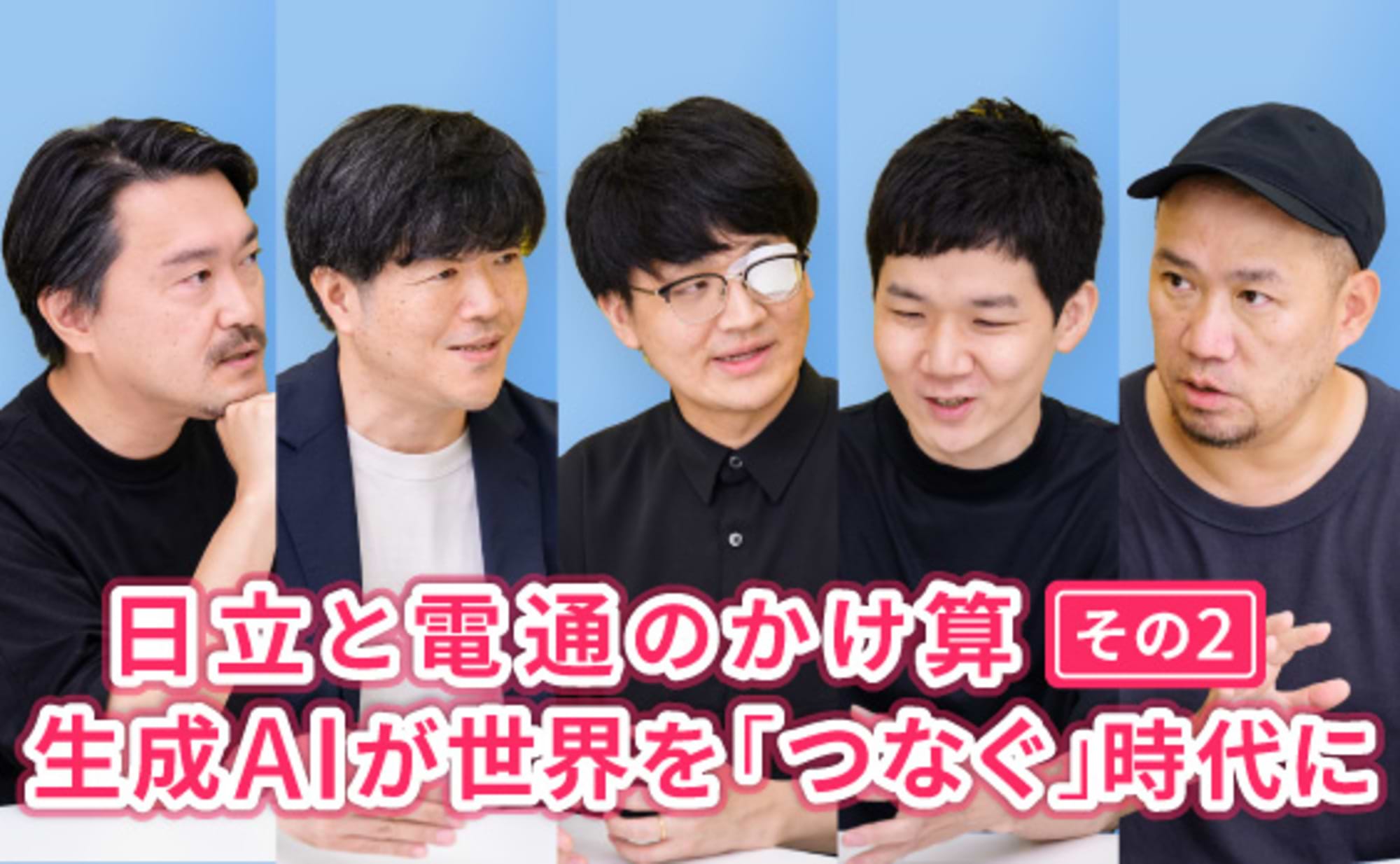
Yamamoto Satoru

Yamamoto Satoru

Dentsu Digital Inc.

Chief AI Officer (CAIO) and Executive Officer / Chief AI Master at dentsu Japan

Studied artificial intelligence (AI) under Professor Yutaka Matsuo at the University of Tokyo. Founded Data Artist Inc. in 2013, which merged with and joined Dentsu Digital Inc. in 2023. Utilizes AI and big data to provide numerous digital marketing services, including automated ad generation, ad effectiveness prediction, CRO, and SEO. Frequently appears on media outlets such as TV programs and speaks at seminars for companies and universities. Major publications include "How to Create Selling Logic" (Sendenkaigi) and "AI × Big Data Marketing" (Mynavi Publishing).

Kengo Shibuya

Kengo Shibuya

Dentsu Inc. International Information Services Co., Ltd.

XI Headquarters

Open Innovation Lab, HCI (Human Computer Interaction/Human Centric Interface) Group Manager

After studying life sciences at university and medical science (neuroscience) in graduate school, he joined Dentsu Inc. International Information Services, Inc. (ISID). He is responsible for planning and promoting research and development on new technologies that upgrade digital capabilities. He possesses broad expertise in recent trends such as machine learning, AR/VR, and robotics, excelling in prototyping and awareness-raising activities. He has been involved in numerous projects, including the "OGC/University of Aizu Guided Robot Demonstration Experiment." Privately, as a multi-legged robot enthusiast, he is currently developing "walking furniture and appliances."
Also read

"How Generative AI Will Transform Marketing and Communication" – Insights from the AI Business Frontlines (Part 2)