Category
Theme

Note: This website was automatically translated, so some terms or nuances may not be completely accurate.

Published Date: 2023/11/30

What will Shibuya look like 100 years from now? Tokyo Tatemono's Vision for the Future of the City, People, and Education (Part 2)
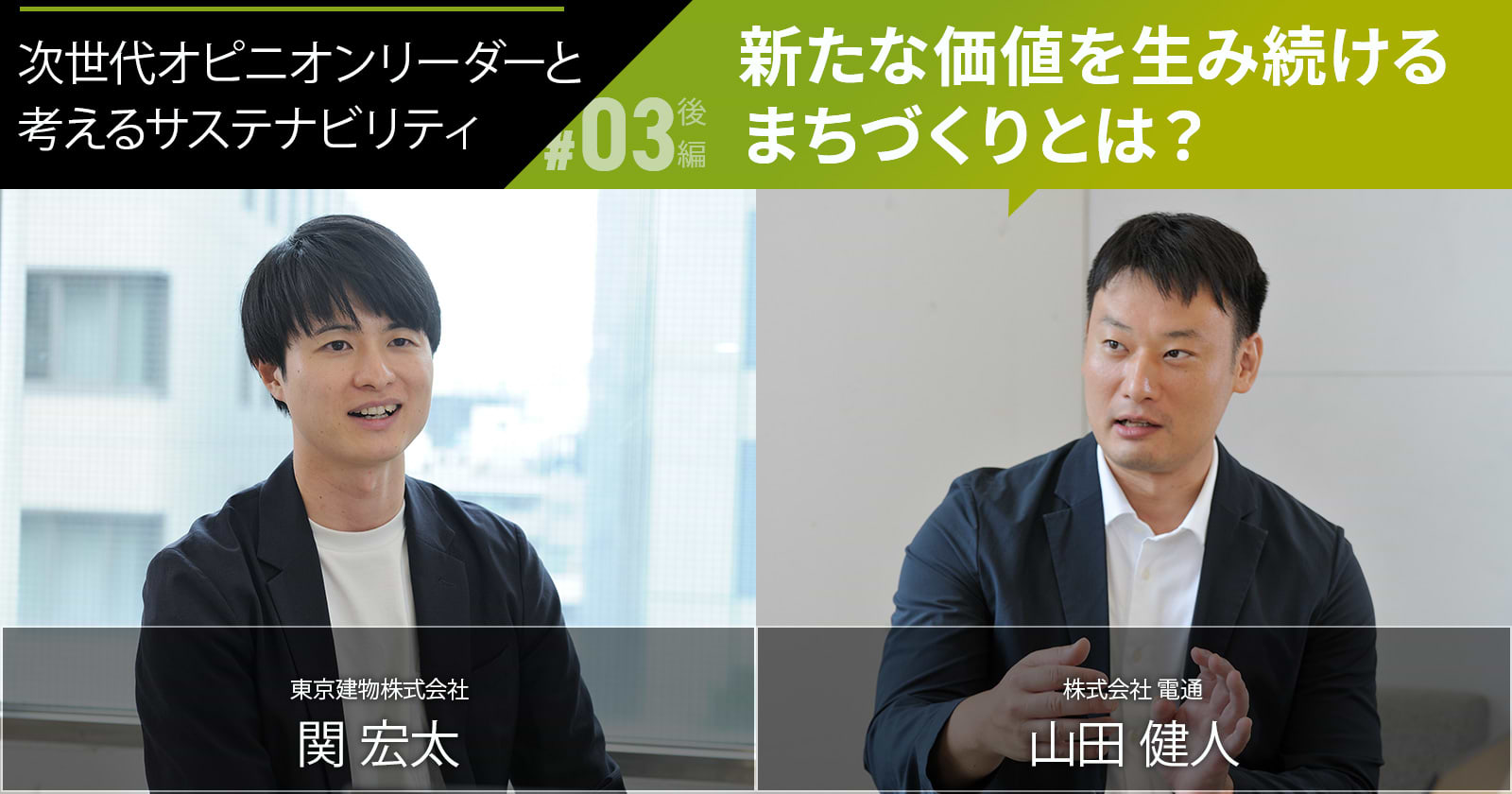
Kota Seki

Kota Seki

Tokyo Tatemono Co., Ltd.

Kento Yamada

Kento Yamada

Dentsu Inc.

Tokyo Tatemono Co., Ltd. is driving the Shibuya REGENERATION Project (Shibuya Nihonbashi Project), the largest redevelopment in the Shibuya area. Aiming for completion in fiscal year 2029, the project explores urban development that leverages the area's unique characteristics. While Shibuya is strongly associated with fashion and IT, it also retains an educational context, home to institutions like Aoyama Gakuin University and the former Children's Castle. DentsuInc.'s Sustainability Consulting Office interviewed Mr. Hirota Seki of Tokyo Tatemono about the Shibuya 2-chome Project's overview and its core "STEAM Education" concept.

In Part 2, we hear about the vision for the townscape comprising three blocks and the redevelopment concept. Interviewer: Kento Yamada, Dentsu Inc. Sustainability Consulting Office.

Creating new landmarks to generate foot traffic and expand Shibuya's depth
Yamada: I understand the Shibuya 2-chome Project divides the area into three blocks—A, B, and C—for urban planning. Could you briefly describe the characteristics of each area?

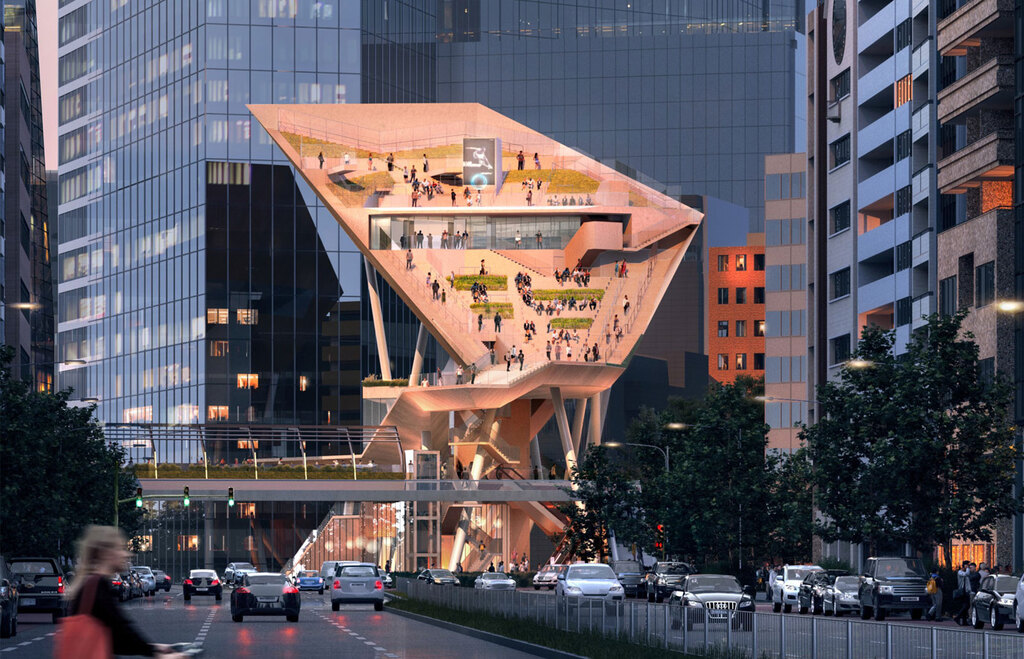
Sekiguchi: Block A will feature an elevated plaza designed to become a new landmark for the Shibuya Station East Exit area.Block B will feature a mixed-use complex with offices, hotels, commercial facilities, a bus terminal, and a STEAM talent development hub. Block C will house a tower primarily for residential use. Historically, Shibuya 2-chome has seen less foot traffic compared to other parts of Shibuya. Therefore, the vision is to draw people to Block A, then generate foot traffic from there to Block B, Block C, and surrounding areas, bringing new vibrancy to the entire district.

Yamada: I saw the concept images for Block A. It looks like it will become a very distinctive landmark.

The elevated plaza planned for Block A, as seen from Aoyama-dori

Seki: The stepped building in Block A isn't just a landmark. It also serves to elevate people arriving from Shibuya Station or the Aoyama direction from ground level to the second floor, guiding them onto the pedestrian deck connecting Blocks A and B. This aims to generate pedestrian flow towards Blocks B and C, and further into the surrounding urban areas, expanding Shibuya's depth.We also want the landmark sky plaza to function as a new gathering space, hosting events and such.

Regeneration: The New Concept Beyond Sustainability
Yamada: In urban development, I believe it's essential to involve many stakeholders—landowners, government, private companies, and more. What are you focusing on to advance the Shibuya 2-chome Project?

Sekiguchi: Urban development involves an enormous number of stakeholders and takes years to advance. I believe what's crucial for driving the project forward is "what we set as our guiding principle." That's why we adopted the concept "Shibuya REGENERATION Project" this time.In developing this concept, we interviewed about 100 stakeholders and refined it through discussions. This process has increased the number of people who now see the Shibuya 2-chome Project as something personally relevant to them. Creating this shared understanding is what I believe is driving the project forward.

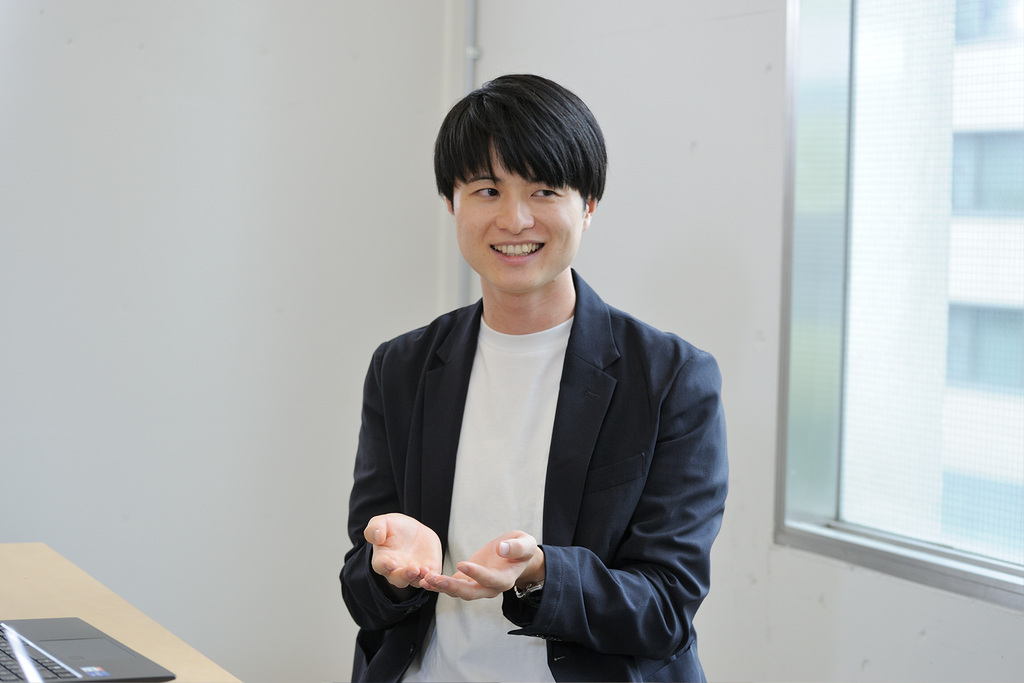
Tokyo Tatemono Co., Ltd. Hirota Seki

Yamada: The term "regeneration" carries meanings like "rebirth" or "continuous creation," doesn't it? I think it also connects with sustainability, so I'd like to ask in detail: why did you choose "Shibuya REGENERATION Project" as the concept?

Sek: "Regeneration" and "regenerative" are terms gaining attention recently, particularly in Europe and America. We see this as a new concept, the next step beyond sustainability.

Previously, the mainstream approach for a sustainable society was "let's reduce the bad things." Recently, however, the focus has shifted towards "let's transform things into something better for future generations." In urban development too, this concept embodies the desire to create mechanisms that function like ecosystems, continuously generating new value, rather than simply "developing and then stopping."

Yamada: Urban development is often seen as peaking at completion, but this project looks ahead to its ongoing sustainability and evolution. Has this concept been positively received by the landowners?

Seki: Yes, the landowners also share this vision. Many are elderly, and some even say, "This is the last major undertaking of my life." That shows how much they expect from this project. It's heartening, but it also makes us feel a heightened sense of responsibility to deliver.

Will community development focused on "our grandchildren's grandchildren" transform education?
Yamada: In terms of sustainability, when imagining Shibuya 100 years from now, what positive impact could the Shibuya 2-chome Project have?

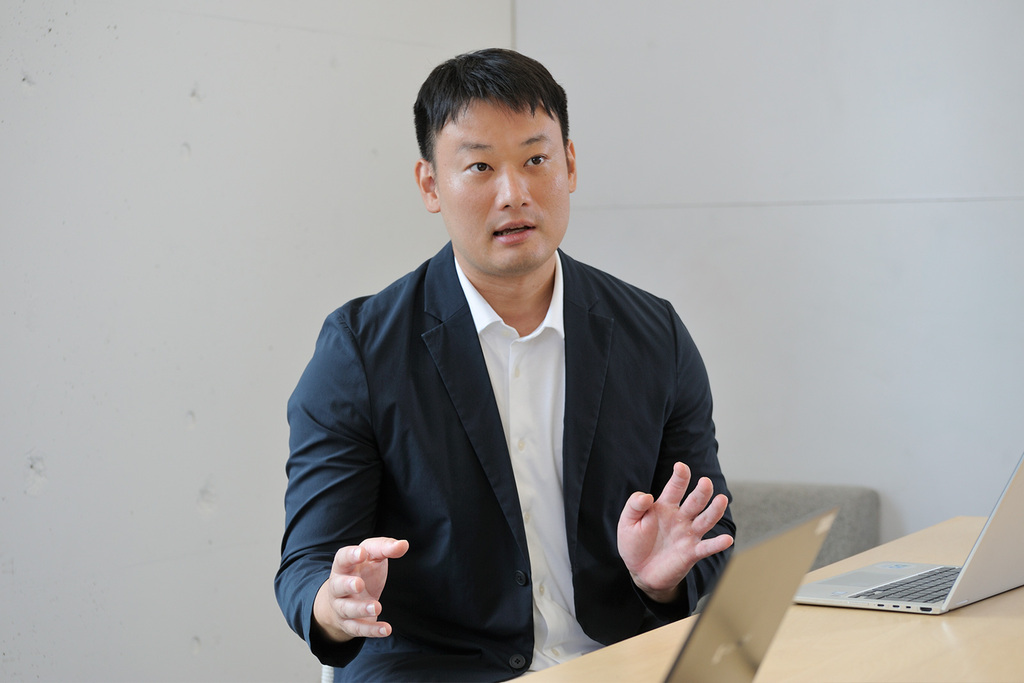
Dentsu Inc. | Mr. Kento Yamada

Sekiguchi: When we originally conceived this as a hub for cultivating STEAM talent, "thinking about the generation of our grandchildren's grandchildren" was a key phrase. Universities and research institutions have traditionally contributed to society by specializing in specific fields. Through the Shibuya 2-chome Project, we hope to highlight the importance of interdisciplinary learning across academic fields. I believe it has the potential to change the very nature and concept of education moving forward.

Yamada: I was deeply impressed by the long-term vision of shaping the town and its culture, steering societal trends toward a better direction. I'm very excited to see how Shibuya will evolve from here.

Seki: This project cannot be realized by Tokyo Tatemono alone. We would be delighted to collaborate with landowners and various other stakeholders to explore initiatives and new ideas that cannot be envisioned within existing frameworks.


A city that continuously evolves with the times. It will be fascinating to see how Shibuya transforms through Tokyo Tatemono's development.

The Sustainability Consulting Office will continue interviewing next-generation opinion leaders in sustainability initiatives. We plan to keep sharing information that can help you rethink your company's relationship with the local community.

The information published at this time is as follows.

Was this article helpful?

Share this article

Author

Kota Seki

Kota Seki

Tokyo Tatemono Co., Ltd.

Urban Development Division II

Chief

Born in 1997. Hailing from Saitama Prefecture. Graduated from Keio University's Faculty of Business and Commerce. Driven by the desire to "pursue a career that comprehensively supports people's foundations for daily life," he aspired to join a comprehensive real estate developer. After graduating university, he joined Tokyo Tatemono Co., Ltd. From his entry as a new graduate to the present, he has been engaged in advancing large-scale mixed-use redevelopment projects.

Kento Yamada

Kento Yamada

Dentsu Inc.

Sustainability Consulting Office Corporate Value Consulting Department

Senior Consultant/Planner

After joining Dentsu Inc., I worked primarily with food manufacturers and real estate developers, focusing on brand strategy and integrated communications support.Since 2016, he has driven information architecture and brand restructuring based on sustainability perspectives within the real estate industry. He joined the Sustainability Consulting Office in 2023. Focusing on "Business × DEI," he supports sustainable value creation by introducing inclusive design to companies and designing co-creation workshops.

Also read