Note: This website was automatically translated, so some terms or nuances may not be completely accurate.
 Not just advertising! Dentsu Inc. professionals who run alongside companies and businesses [4/4]
What is a Talent Strategy that Drives Business Transformation? The Case for "Global Internships"
To ensure diversity and secure manpower, attention is turning to highly skilled foreign talent.
Amidst this, Transcend-Learning, in collaboration with the Osaka Foodservice Industry Association, launched a groundbreaking internship program in 2025. Its name: "Global Internship Utage."
- Recruiting global talent studying in Japan (international students and Japanese students)
- Internships conducted across multiple companies in the food service industry, not just one company
*Program overview provided at the end of the article
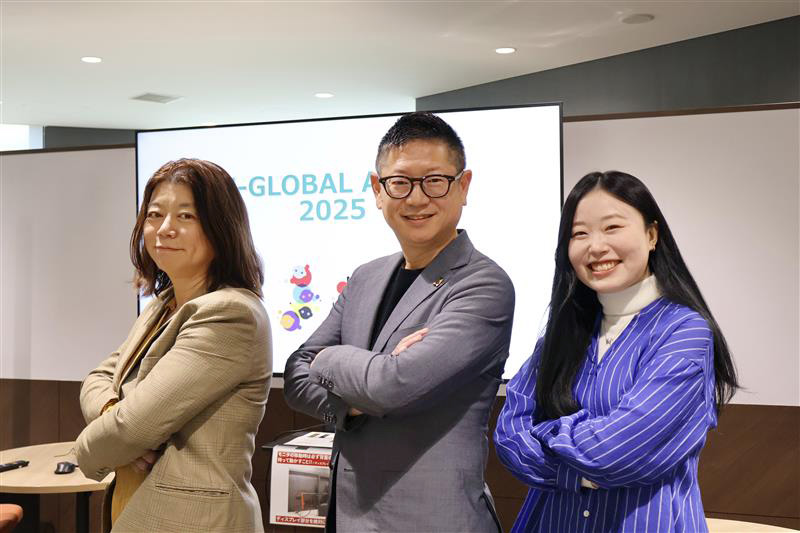
Takuya Ichiyama, Wanqing Jiang, and Akira Masuyama of Dentsu Inc. planned this six-month global internship to promote DEI (*) understanding and practical approaches for the future society.
The three report on the impact this had on companies, students, and society, and on future developments.
※DEI = Diversity, Equity, Inclusion
※Unless otherwise noted, the following text is authored by Takuji Ichiyama.
A New Internship Model Connecting Highly Skilled Foreign Talent with Companies
Highly skilled foreign talent is strongly desired by both international students who come to Japan to study and hope to find employment here, and by companies seeking innovation.
However, in industries like the restaurant sector, foreign talent is often limited to part-time roles in stores, making it difficult to secure employment where they can leverage advanced skills or management expertise.
This global internship program focuses on "recruiting and utilizing highly skilled foreign talent" at a time when many companies face challenges in developing talent strategies for business growth.
Its content is:
"Fostering communication within multinational teams where individuals with diverse values and experiences freely exchange ideas to generate new concepts and solutions."
This was experienced by companies and students in a "two-way mentoring" format.
This was experienced by companies and students through a "two-way mentoring" format.
Specifically, using the food service industry as a theme, we invited working professionals from industry, government, and academia as mentors. International students gathered from across Japan and Japanese students formed teams to participate in an ideation program focused on solving industry structural challenges from a human resources perspective. This was a six-month long-term internship designed to develop practical ideas.
Participating companies were primarily food service-related businesses in the Osaka area. Students formed multinational teams with professional mentors to tackle challenges in the food service industry.
For students, this program provided a valuable opportunity to deepen their understanding through discussions on the concrete theme of the food service industry, while also recognizing social issues like the SDGs and their own potential.
For the companies, it was also a valuable opportunity to establish close, ongoing connections with outstanding students nationwide, including international students, through a hybrid approach combining in-person and online interactions. They gained tangible insight into how leveraging diverse talent can directly contribute to business growth. Mentor employees also gained significant learnings, such as reflecting on their own companies from the perspective of highly skilled foreign professionals.
Short-term internships often face the challenge of measuring student achievements. This initiative tackled this by having students receive continuous advice from diverse peers (varying by nationality and expertise) and experienced working mentors, then visualizing this experience as an "NFT" – a groundbreaking approach.
Additionally, during the program period, participants underwent field training at participating companies' stores and at the "Banquet" Pavilion at the Osaka/Kansai Expo site, deepening their understanding of the food service industry.
Multinational student teams tackle challenges in the food service industry!
In the ideation program, a total of 40 multinational teams tackled various challenges facing the food service industry.
On October 9th, as the culmination of their six-month internship, a presentation competition was held at the Osaka-Kansai Expo venue.
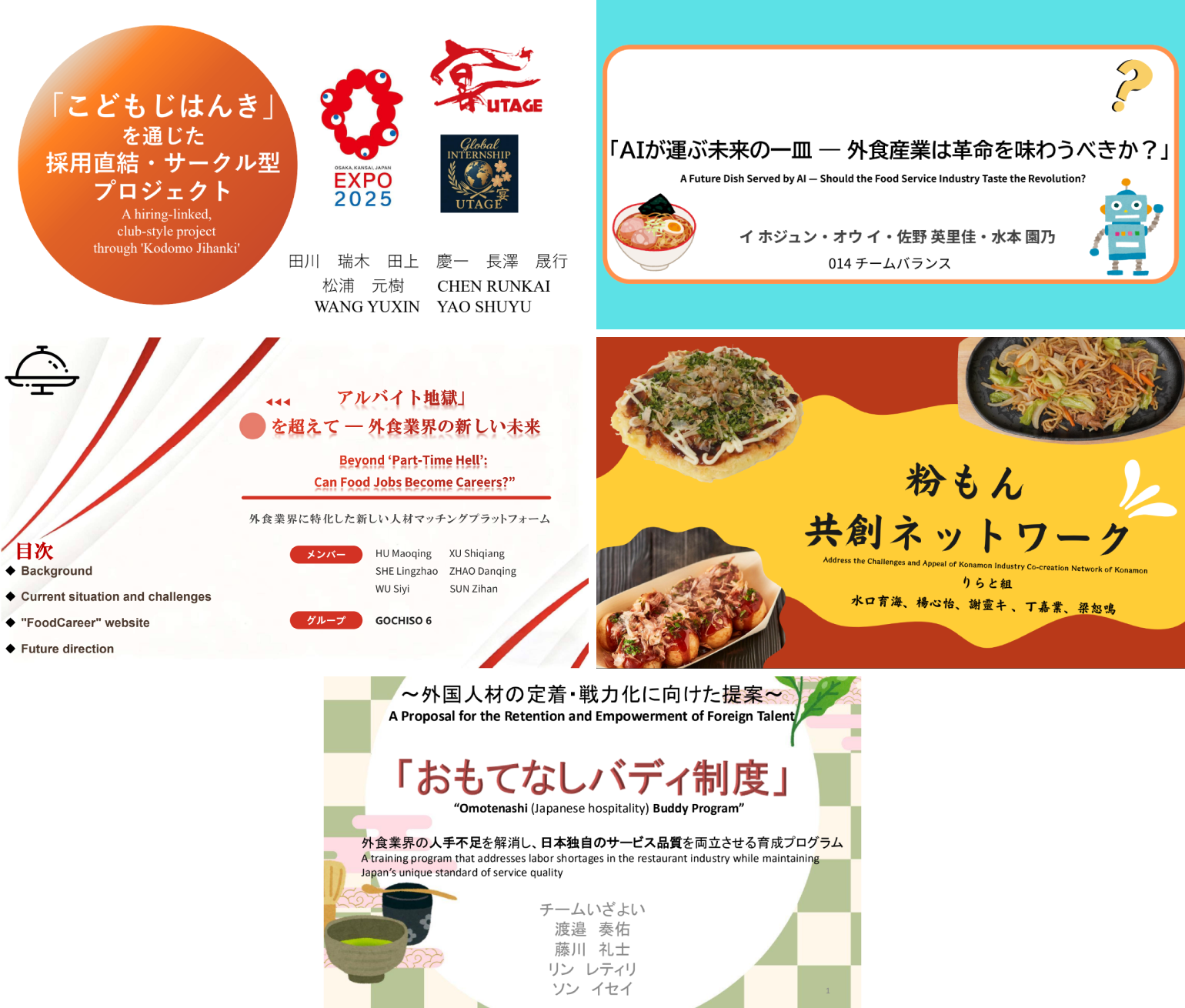
At the competition, where five outstanding teams were selected from the 40, mentors from the food service and financial industries who had guided the students, along with representatives from the Ministry of Economy, Trade and Industry and universities, offered enthusiastic support.
"Banquet" Presentation Materials | Global Internship (LBP) Website
Mr. Lee (Hosei University), originally from South Korea, stated, "This was my first work experience in Kansai, and I was able to interact closely with working professionals at the management level. That exchange was very interesting and stimulating."
On December 19th, at Kansai University's Umeda Campus, further refined team presentations were held, culminating the six-month internship with awards presented based on each team's unique strengths.
Results Exceeding Expectations and Feedback from Participating Students and Companies
A post-program survey of participating students revealed that 92% reported a positive shift in their values regarding work, 73% expressed increased interest in employment with the sponsoring and mentor companies, and 95% stated they would recommend the program to juniors.
Top reasons cited for high ratings included the practical focus on solving challenges in the food service industry, the experience of global collaboration within multinational teams, and gaining insights grounded in DEI understanding through concrete ideation.
Participating companies also consistently gave high praise, stating, "We thought we understood DEI intellectually, but working directly with students as mentors provided significant new insights." One HR executive even sincerely remarked, "We want every single participating student to join our company."
Reflecting on this project, which yielded results far exceeding initial expectations, a particularly noteworthy achievement was the realization of a "fully mixed" team composition, with Japanese students (51.6%) and international students (48.4%) participating in nearly equal numbers. We believe that adding working professionals as mentors to this mix fostered collaboration and enabled us to present a model case for advancing diversity within the food service industry.
In this third space—open, not confined to either universities or corporations, and where diversity was implemented—participants collaborated earnestly, discovering not only others' potential but their own.
This truly unique program embodied the theme "Leap Beyond Diversity," brought to life by Transcend-Learning—long dedicated to bridging international students and Japanese companies—and the Osaka Foodservice Industry Association, which conceived innovation in the foodservice industry inspired by the Expo.
Expanding the story where business strategy and talent strategy intersect
Furthermore, in an unexpected outcome, several students proactively reached out and secured job offers from the companies participating in this project. The process differed from conventional hiring interviews: students shared their aspirations for contributing to the company and their career plans, prompting the companies to want to hire them. They flexibly adjusted their HR systems to extend job offers during the program period.
This truly demonstrated how the story of business strategy and talent strategy, along with the actual actions taken, became one cohesive whole.
Three Dentsu Inc. Employees Reflect on the Global Internship
In this project,
- Kazuyama... Overall Lead for Planning and Execution
- Jiang... Facilitated as a role model for highly skilled foreign talent, supporting both companies and students
- Masuyama... As a DEI expert, led DEI seminars and workshops focused on food and multiculturalism
From here, we look back on the internship from the perspectives of three Dentsu Inc. employees.
Finding Possibilities in the "Third Place" Beyond University and Corporate Settings (Takuji Ichiyama)
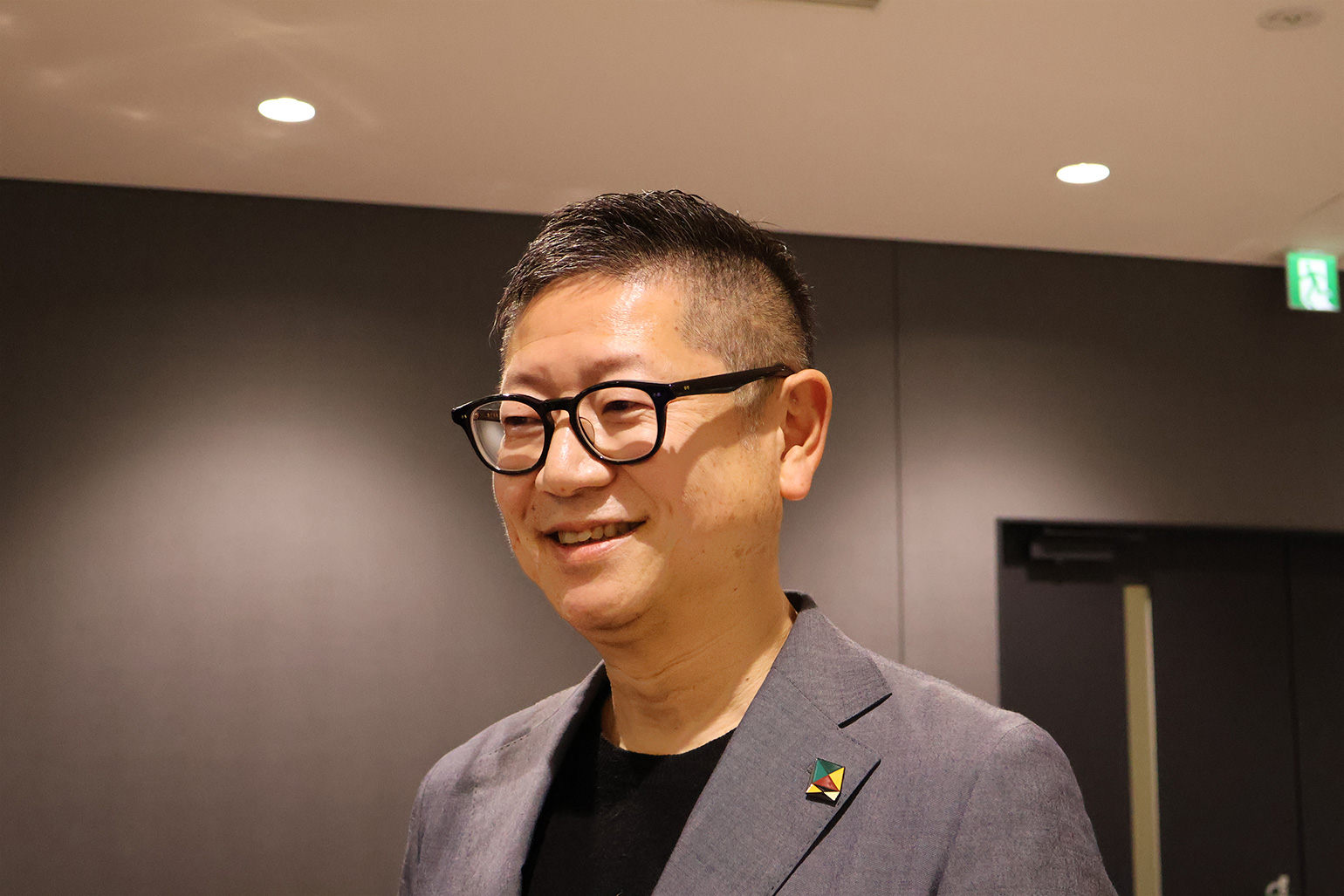
I'm Takuji Ichiyama, responsible for planning and producing the entire project.
Many companies are currently reforming toward human capital management. But are their management strategies, talent strategies, and actual actions truly connected? In reality, they often remain disjointed.
Diversity is now widely recognized as enhancing corporate value, and the importance of companies expanding opportunities for diverse talent to thrive is increasingly shared as a principle. However, principles alone are meaningless without concrete action.
Therefore, in this project, we focused on "Leap Beyond Diversity" – ensuring that international students and companies don't settle for merely having diversity, but instead achieve concrete and transformative results.
To achieve this, we prioritized giving participants "hands-on exposure" to the capabilities of highly skilled foreign talent. This was accomplished through on-site training at the "Banquet" Pavilion at the Osaka-Kansai Expo site and an ideation program where multinational student teams tackled real-world challenges.
This initiative aims to create opportunities for companies to accelerate their efforts in establishing fields and systems where diverse global talent can thrive, making this a core agenda item in their management strategies.
We believe such projects are particularly effective for companies that have not yet fully recognized this need or have limited exposure to or utilization of highly skilled foreign talent.
The key lies in "creating an environment" where international students can demonstrate their abilities.
Transcend-Learning, the organizer of the Global Internship Banquet, is a general incorporated association primarily dedicated to supporting the growth of international students and serving as a bridge to companies. Through several projects I've collaborated on with Transcend-Learning and its representative, Keisuke Yoshida, I've witnessed the business transformation potential of international students.
Based on this, I concluded that the most crucial points for this project were "creating an environment" where international students' strengths could be leveraged and "designing touchpoints" with companies.
It was clear this wasn't a program solely for job placement. Therefore, we aimed to create a program in a "third space" – neither university nor company – where students and companies could discover each other's potential. In other words, we moved beyond traditional one-way internships from companies to realize a two-way mentoring system where both parties learn together.
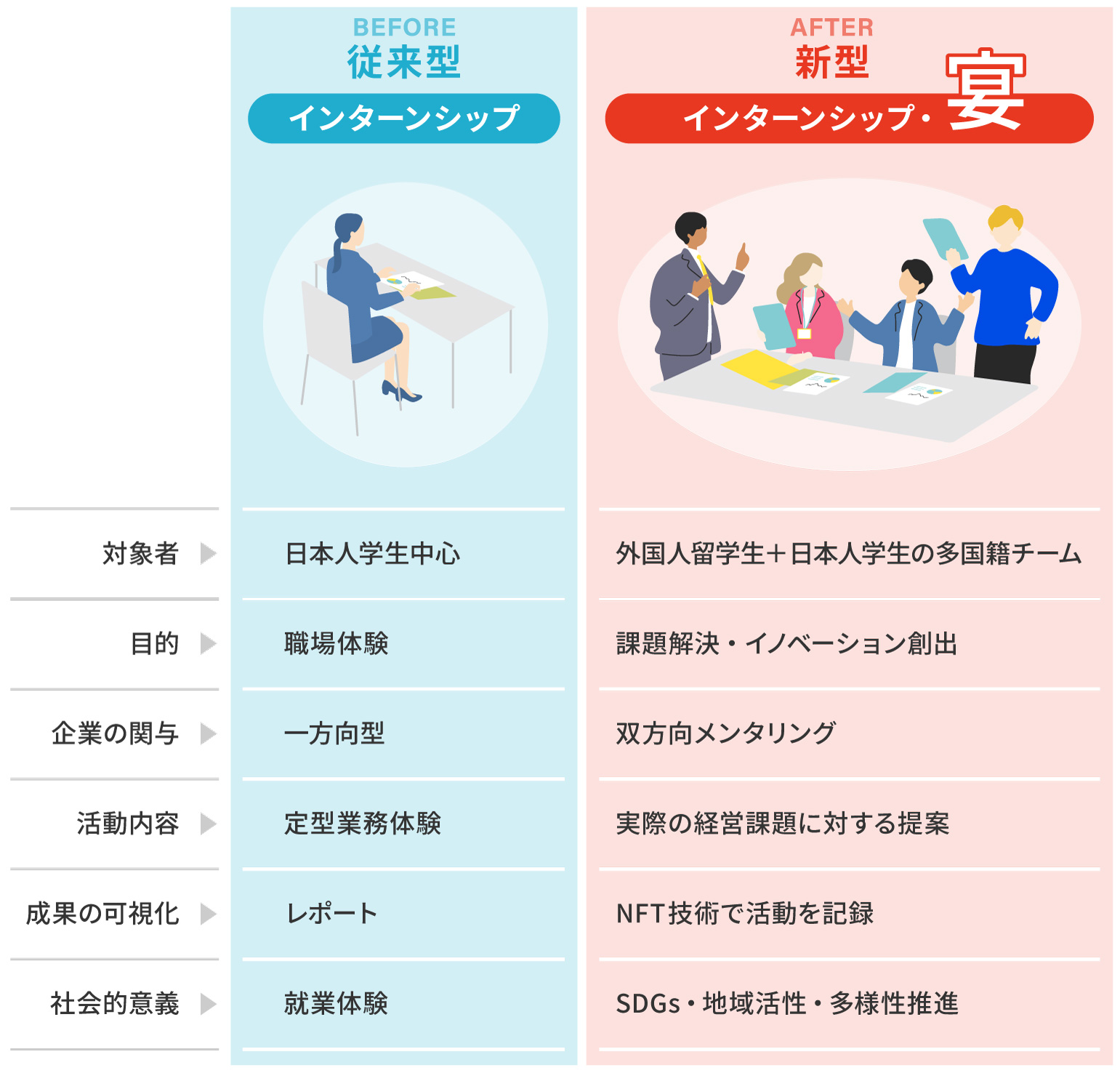
Through various innovations—such as companies and students sitting side-by-side for DEI training, participating in workshops as equals, and visualizing long-term internship participation via NFTs—we created something significantly different from conventional internships. Its characteristics are summarized in the comparison table mentioned earlier.
Serving as a "Role Model for Highly Skilled Foreign Professionals": Bridging International Students and Companies (Jiang Wanqing)
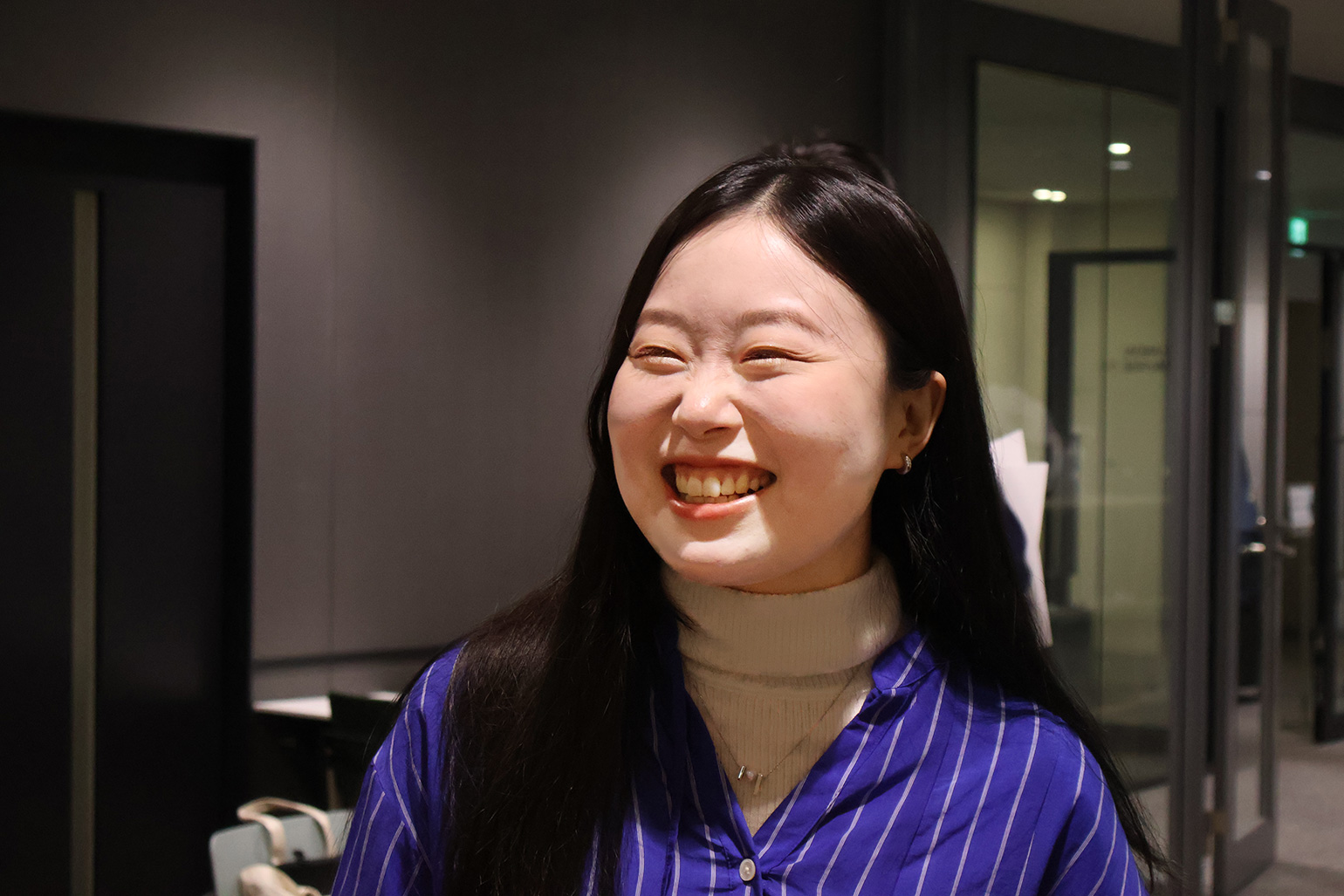
Throughout the entire project, I served as a "bridge between international students and companies."
Originally as an international student who found employment in Japan, and now as a young employee in my third year at Dentsu Inc., I myself am also in a position to be seen as a "highly skilled foreign professional."
That's precisely why I believe I genuinely understand both sides: the anxieties of international students navigating job hunting in Japan, and the sentiments of companies who "have high hopes for foreign talent but struggle with how to effectively utilize them."
From my perspective, I sense that many corporate executives place significant expectations on highly skilled foreign professionals. On the other hand, international students often grapple with conflicts such as: "How should I shape my career in Japan?", "Will my background and skills be useful in Japanese society?", and "I want to have dreams, but considering reality brings many anxieties."
President Talk: Facilitating Candid Dialogue with Corporate Leaders
To bridge this gap and create a space for direct exchange of genuine perspectives, we launched "President Talks" – forums where international students and corporate leaders discuss directly. My role was to stand between them, translating each side's "true feelings."
I served as facilitator for sessions with Mr. Tadashi Okura, President and CEO of Eternal Hospitality Group (operator of the Torikizoku restaurant chain), and Mr. Mitsushi Mukimoto, Representative Executive Officer of Gourmet Kineya.
Through dialogue, I drew out the reasons both presidents began focusing on the potential of foreign talent, the roles they expect them to fulfill, and how international students can contribute effectively within their overseas expansion efforts.
President Okura shared insights from Torikizoku's Shanghai branch, highlighting the challenge of adapting menus to local tastes and customs while preserving the brand's identity, and the crucial role multicultural talent plays in achieving this. His statement, "In the future, I want to entrust the leadership of each country's subsidiary to local talent," encapsulated his expectations for international students.
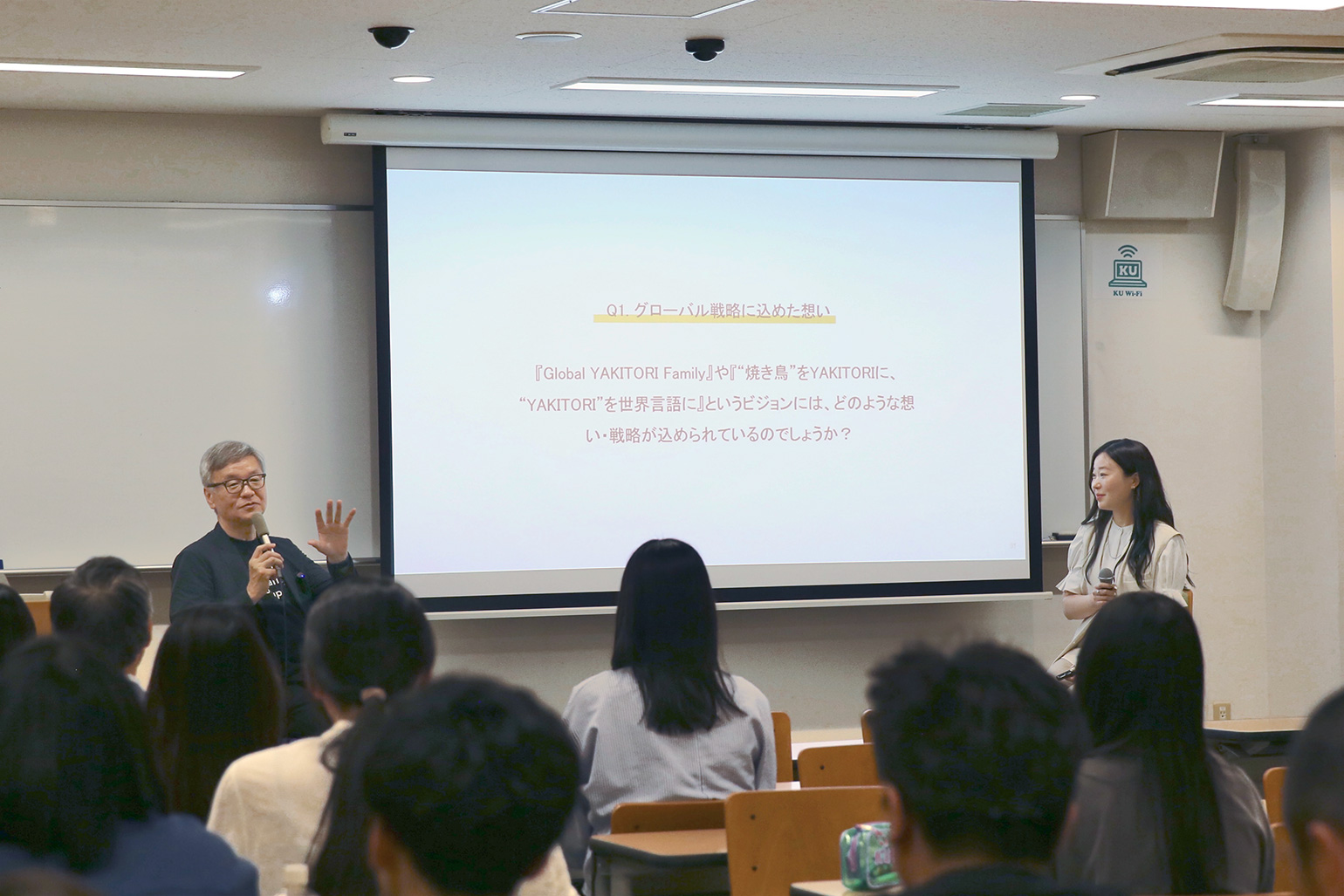
President Mukumoto introduced Gourmet Kineya's new personnel system launched in October 2025. He shared plans to actively recruit diverse talent, including highly skilled foreign professionals, for a wide range of positions such as management trainees, store manager candidates, and in-flight catering specialists. These concrete messages provided significant reassurance for many international students.
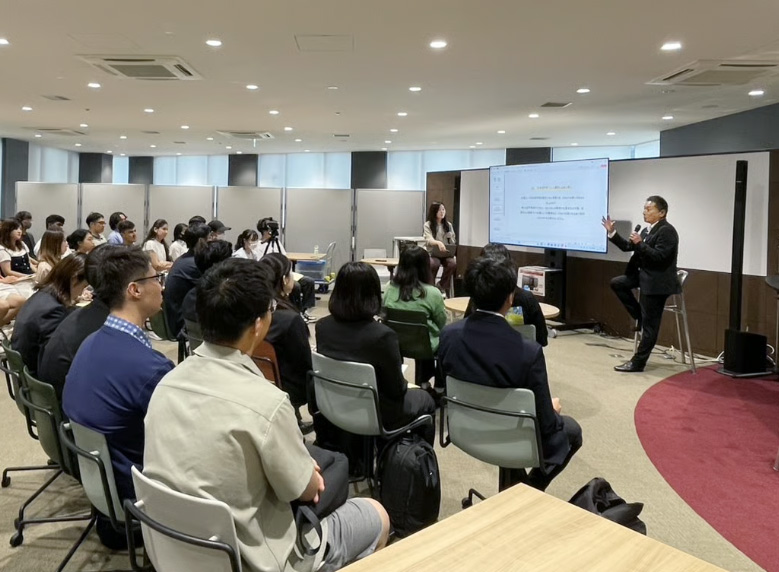
Opening doors for international students' careers
As a facilitator, I focused on breaking down the students' simple questions and anxieties into their own words, voicing them directly to management on the spot. As a result, many students shared feedback like, "I gained a concrete image of career advancement in Japan and felt more confident," and "I became able to positively believe in my own potential."
Beyond President Talks, we planned and ran job counseling sessions and leadership workshops within group work, accompanying each student to help them concretely envision "themselves building a career in Japan."
Through this project, I returned to my roots as an international student. Simultaneously, as a Dentsu Inc. employee, it made me rethink my role: how to contribute to the company's business growth by leveraging the strengths of international students and diverse talent. I intend to continue nurturing this "bridge-building" role as my life's work.
DEI Seminar & Workshop Gathering Global Talent (Akira Masuyama)
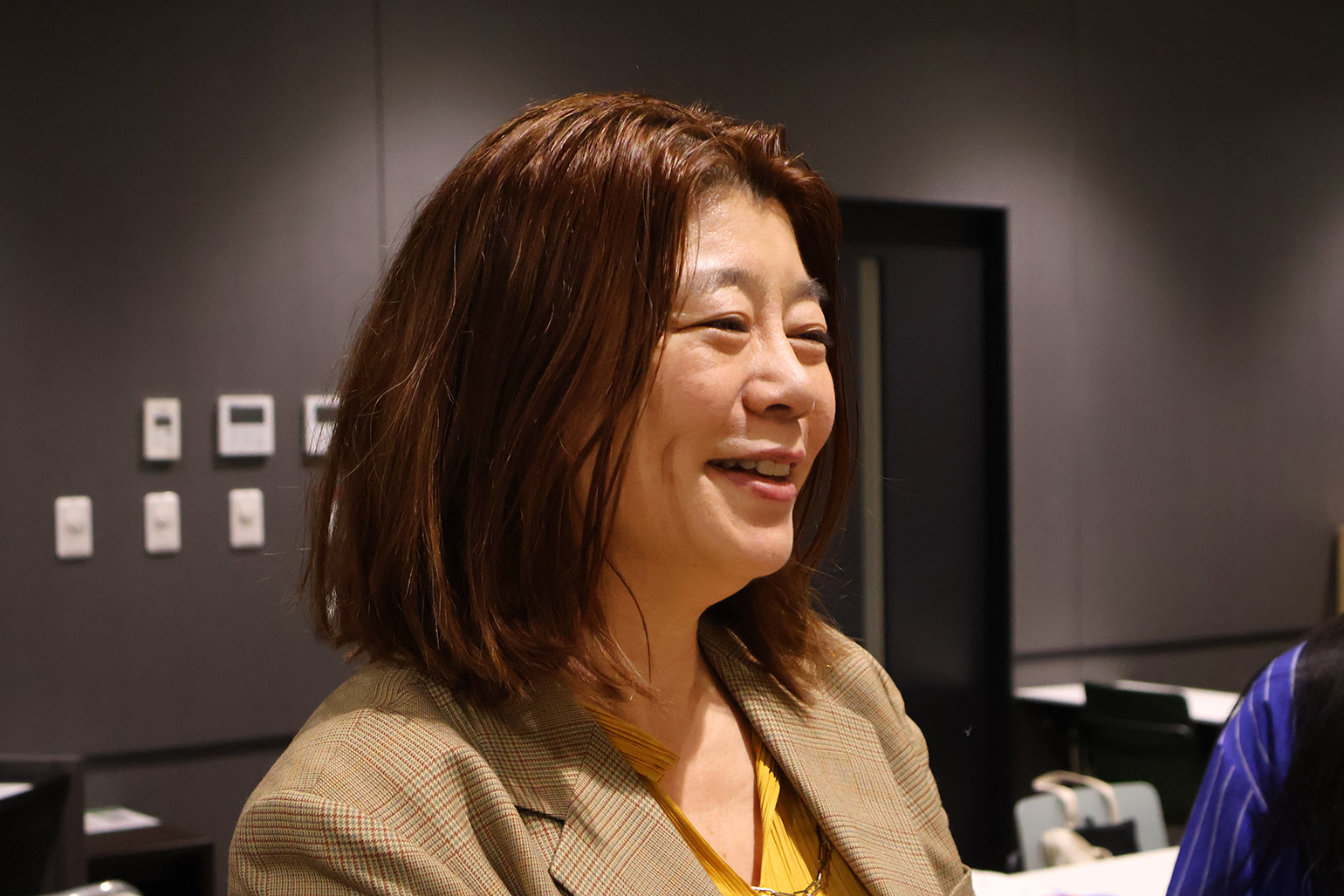
I was responsible for raising awareness about DEI (Diversity, Equity, and Inclusion) among both the students participating in the internship and their working professional mentors.
Titled "Workshop: Students × Companies Solving Challenges to Create the Future of the Food Service Industry," the program held on September 10, 2025, at Kansai University's Umeda Campus saw 31 participants engage in lively discussions.
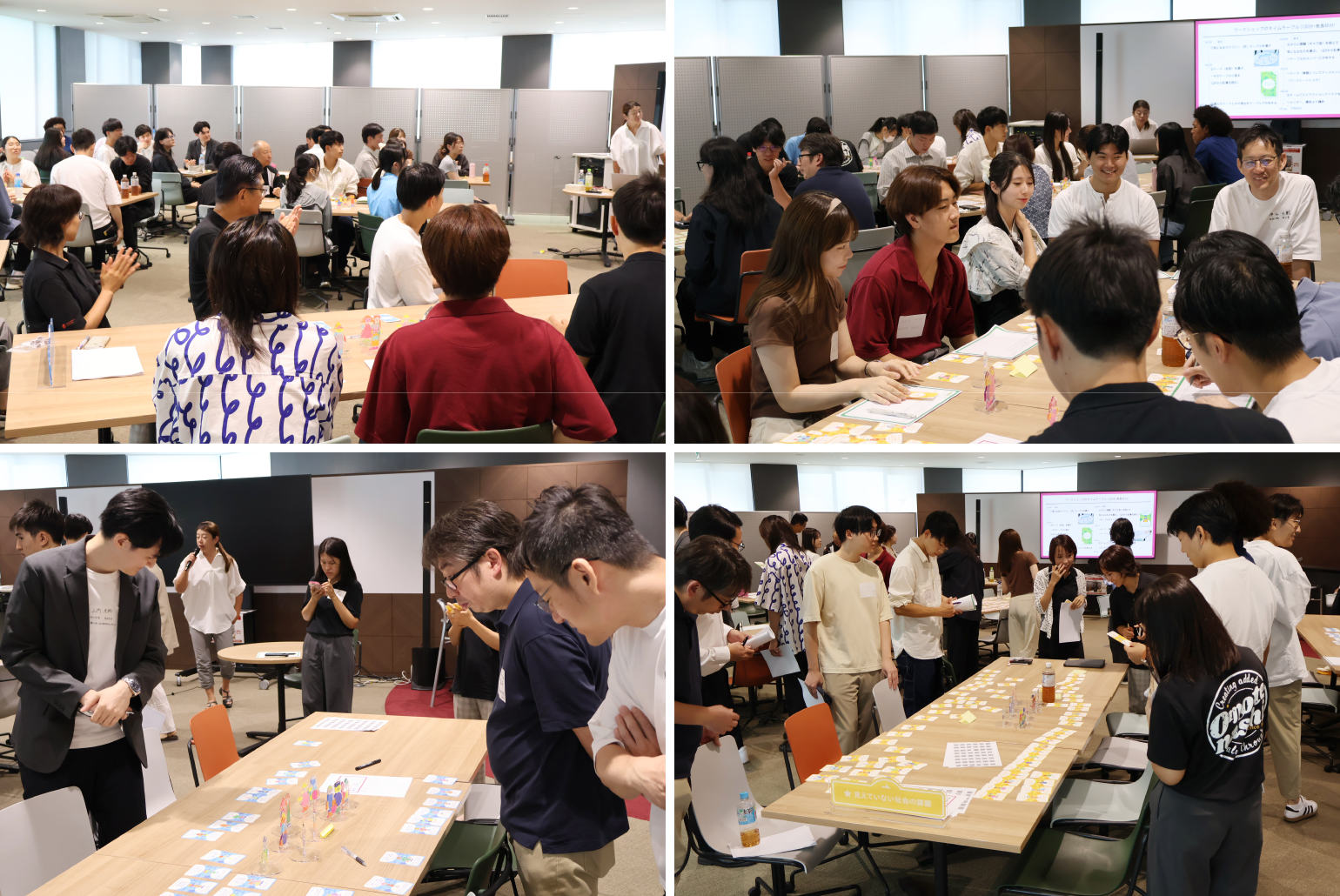
As an instructor, I have led DEI seminars for various companies, organizations, and students before, but never before have participants been so diverse. International students from various countries and Japanese students gathered from across Japan, while corporate mentors—including highly skilled foreign professionals serving as role models for international students—also came together, representing a wide range of ages and nationalities.
DEI Fundamentals as a "Common Language"
In Part 1, we held a "DEI Fundamentals Seminar" to incorporate diverse values, update participants' literacy, and hone their ability to solve specific challenges.
Clarifying "What is DEI?" and sharing knowledge and understanding to establish a "common language" felt particularly essential for such a diverse group. It became an opportunity for each participant to gain a tangible understanding of DEI—either as something personally relevant or as the reality of the person sitting next to them.
Additionally, focusing on intersectionality (complex challenges), we introduced case studies involving overlaps such as multiculturalism and socioeconomic status across the four DEI domains supported by dentsu DEI innovations (disability, gender, multiculturalism, generation). This provided input contributing to the overall global internship.
After sharing projections that Muslims will constitute one-quarter of the global population by 2030, subsequent presentations featured student ideas addressing food diversity and the "leave no one behind" concept—including "easy Japanese"—through UI/UX solutions.
Innovative Ideas Born from Diversity
In Part 2, through the card game-style DEI solutions workshop "Cocokara Journey" (*), students and professionals formed mixed teams based on their individual interests from 243 challenge cards covering society, business, and stakeholders. They then devised solutions to corporate challenges and delivered presentations.
※Cocokara Journey https://www.dentsu.co.jp/news/release/2022/0627-010529.html
While the common theme for this workshop was "DEI Challenges and Solutions in the Food Service Industry," each team presented truly diverse ideas. These ideas blended students' fresh perspectives with working professionals' experience, such as "considerations transcending majority and minority positions," "DX solutions for ordering challenges," and "models balancing sales growth with social contribution."
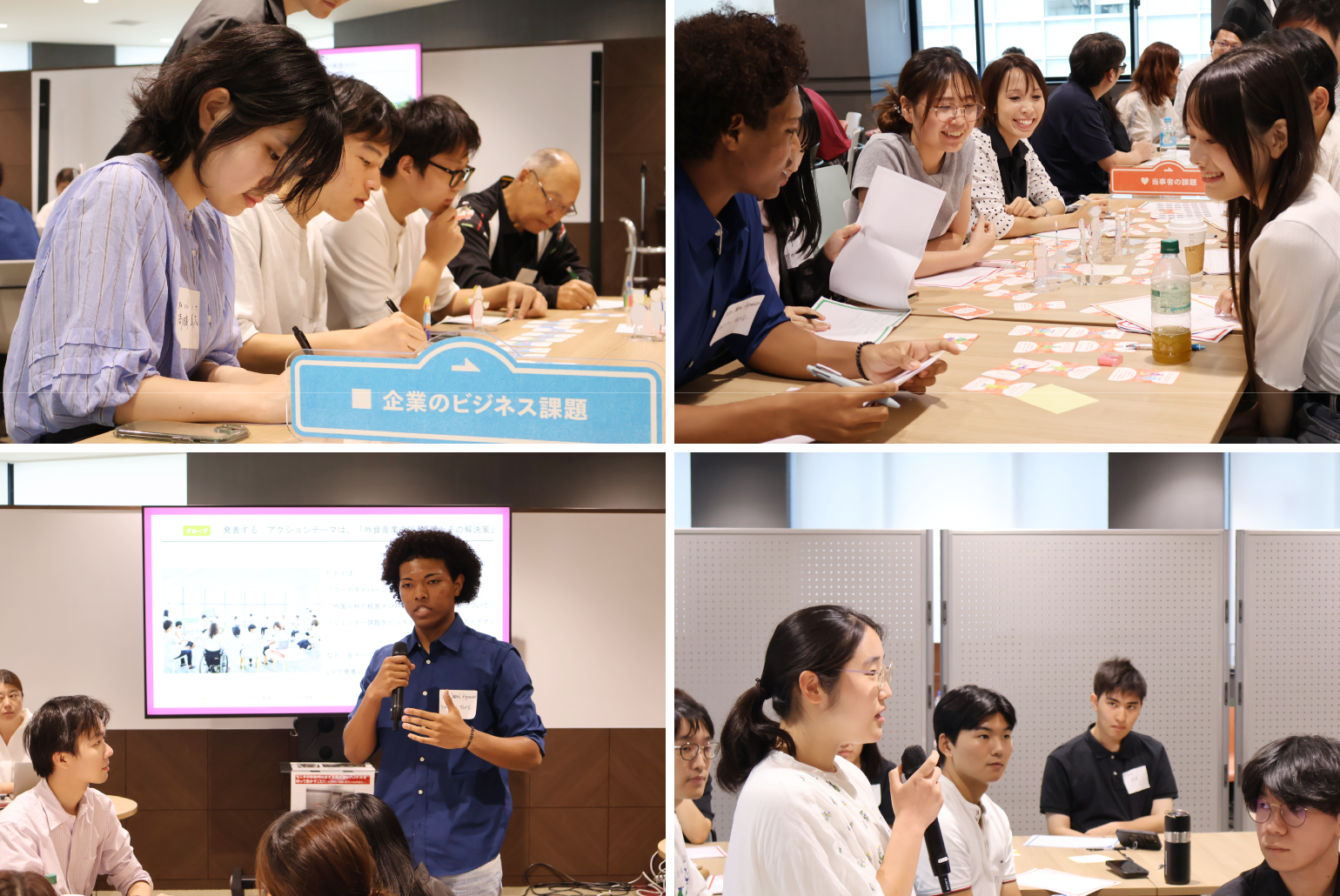
Workshop Outcomes and Impact
Post-workshop surveys showed 100% satisfaction (very satisfied + satisfied). Before the program, nearly half of respondents admitted they "didn't really understand what DEI is." Afterward, all reported either "my perspective on DEI broadened and my understanding deepened" or "my interest in DEI increased."
It became an opportunity not only to enhance DEI literacy but also to take ownership of management challenges and build solutions with a global perspective. For students, it offered practical learning; for professionals, it provided encounters with new ideas. It was truly a program where diversity created value.
What's next for the global internship?
This Global Internship Banquet was not merely an opportunity to hire global talent. It was strategic "soil preparation" to sow the seeds of new business opportunities, introduce diverse perspectives and experiences into the organization, and harvest the fruit of innovation.
Based on these results, we have gained great conviction and confidence to expand this project beyond the food and beverage industry to more companies and sectors.
In 2026, we will launch the Diversity Jamming Initiative.
We are now beginning to invite companies and organizations to participate in this initiative. Companies interested in cultivating "change makers" who will become global leaders are encouraged to contact us.
●Contact
Dentsu Inc., Marketing Division 6:6mk_prokai@group.dentsu.co.jp
Initiative Manager (Takuji Ichiyama)
<Event Overview>
Global Internship Banquet
●Number of Participating Students……Presenters on October 9: 105 Total Banquet Entries: 250
● Participating Companies……4 Partner Companies (18 companies represented by participating mentors)
●Implementation Period……Saturday, April 19, 2025 – Friday, December 19, 2025
・Organizer: Transcend-Learning
・Co-hosted by: Osaka Restaurant Association
・Supported by:
Ministry of Economy, Trade and Industry, Kinki Bureau of Economy, Trade and Industry
SUCCESS Consortium for Supporting International Students' Employment
Dentsu Inc.
・Premium Partner:
Eternal Hospitality Group
Gourmet Kineya
・Partner:
Daiki Suisan
Sumitomo Mitsui Banking Corporation
・Mentor Participants' Affiliated Companies:
Dachland
Kyoto Lighthouse Information Station
Kao Beauty Brands Counseling Kinki
Transcend-Learning Oceans Division
Eternal Hospitality Group
Torikizoku
Industrial Employment Stabilization Center
Shokya Food Service
CONVI
Gourmet Kineya
Hiro Food Service
Marche
New Foreign Talent
Eternal Hospitality Japan
Osaka Metropolitan University Research Promotion Division
Daiki Suisan
Sumitomo Mitsui Banking Corporation
Dentsu Inc.
(in no particular order)
Was this article helpful?
Share this article


Newsletter registration is here
We select and publish important news every day
For inquiries about this article
Back Numbers

Author
Takuji Ichiyama
Dentsu Inc.
Marketing Division 6, Project Development Department
Business Design Producer
Since joining Dentsu Inc., he has worked on a wide range of client projects including domestic and international campaigns, events, branding, and marketing. In recent years, he has been involved in projects such as the Yumeshima Integrated Resort, the Osaka-Kansai Expo, the Nakanoshima Future Medical International Hub, and the Umeda development. He also focuses on developing new businesses and services, co-creating ventures with domestic and international startups, and producing projects in the smart city and social communication fields. He is a Certified Management Consultant, a Class 1 Architect, and a member of the Urban Future Design Unit.


Jiang Wanqing
Dentsu Inc.
6th Marketing Bureau, CX Consulting Division 1
Planner
Born in China. As a solution planner, I develop marketing strategies primarily for the food, pharmaceutical, and theme park industries. Recipient of the Gold Award at the OSAKA Future Presentation Grand Prix.
Latest Healthcare Insights from the Wellness 10,000-Person SurveyHealthcare Trend Forecasts for a Healthy and Happy FuturePR-Driven Marketing "MARKETING+PRUS"The Dentsu Inc. Healthcare Team's Perspective on Consumers' True FeelingsNot just advertising! Dentsu Inc. professionals who run alongside companies and businesses

Akira Masuyama
Dentsu Inc.
Marketing Division 6
Creative Director
Affiliated with dentsu DEI innovations. As a Creative Director, has handled over 50 clients, primarily national accounts. Winner of numerous domestic and international advertising awards in creative, media, and digital categories. Served as a judge for various awards. Engages in problem discovery and solution development based on diverse creative experience spanning mass media, digital, promotion, and social, combined with specialized expertise as a DEI consultant.At dentsu DEI innovations (formerly Dentsu Inc. Diversity Lab), he tackles various diversity issues, including LGBTQ+, with extensive experience as a seminar lecturer and workshop facilitator. Also consults on gender expression and universal design (UD) methodologies.Diversity Attendant and Dentsu Inc. Team SDGs Consultant. Author and co-author of five-volume children's book series: "LGBTQ+: What We All Want to Know" (2022, Bunken Publishing), "Diversity: What We All Want to Know" (2023, ibid.), and "Biodiversity: What We All Want to Know" (2024, ibid.).