Category
Theme

Note: This website was automatically translated, so some terms or nuances may not be completely accurate.

Published Date: 2025/04/25

Hiroshima to the world. The peace-themed area branding project "HiHiroshima".
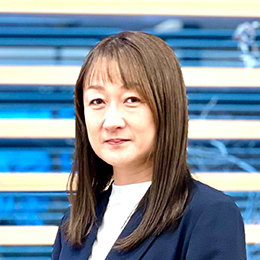
Chihiro Toda

Chihiro Toda

Tabimachi Gate Hiroshima Co., Ltd.
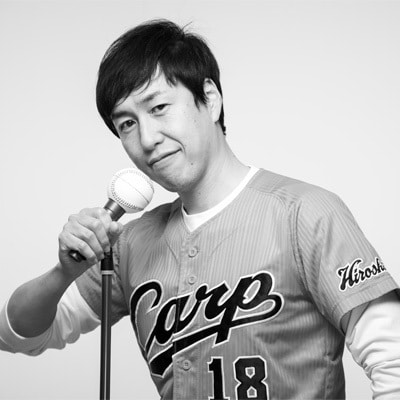
Kazuma Yoshida

Kazuma Yoshida

Dentsu West Japan Inc.
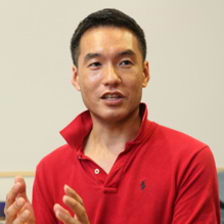
Shinji Muto

Shinji Muto

Dentsu Inc.

The Future Map of Regional Economies is a series introducing unique business models leveraging area characteristics and activities contributing to regional economic revitalization.This installment focuses on the Hiroshima-born item brand "Hi,Hiroshima." It is a project launched as a joint venture between Tabimachi Gate Hiroshima Co., Ltd., which operates travel and regional trading company businesses in Hiroshima Prefecture, and " Shiodome Salon," a business creative team within Dentsu Japan (Dentsu Group Inc.) that supports new business development.

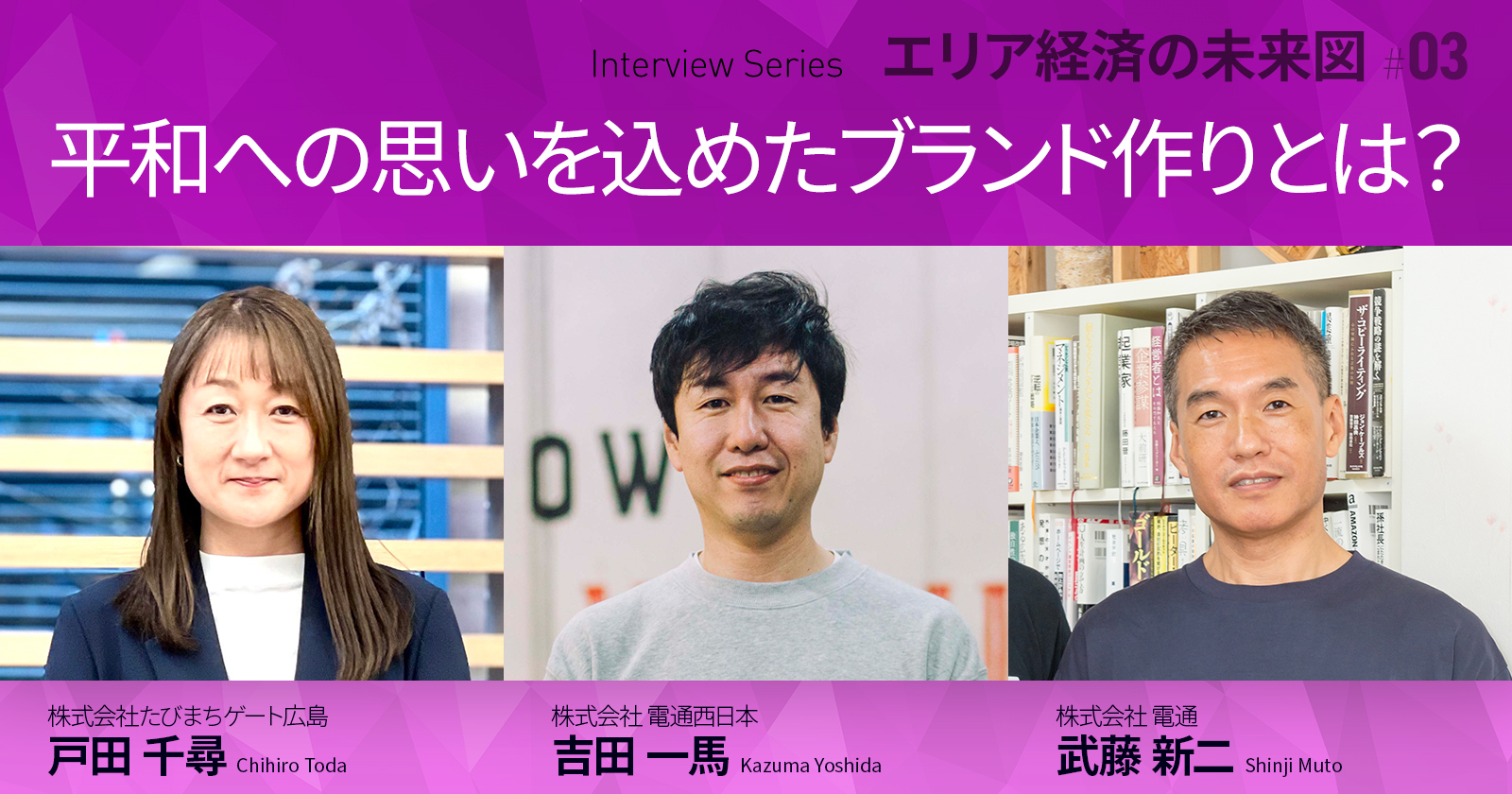
We interviewed Chihiro Toda, Chief of the Sales Management Team, Regional Trading Company Division, Tabimachi Gate Hiroshima; Kazuma Yoshida, Department Manager, CXCD1 Department, Growth Planning Center , DentsuWestJapan Inc.; and Shinji Muto, Creative Director, Dentsu zero. We discussed the project's origins, future outlook, and their aspirations for peace.

Through upcycled products, a portion of sales is returned to the community

Q. "Hi,Hiroshima" is a Hiroshima-based item brand born from the collaboration between Tabimachi Gate Hiroshima and "Shiodome Salon." First, could you explain Tabimachi Gate Hiroshima's business activities?
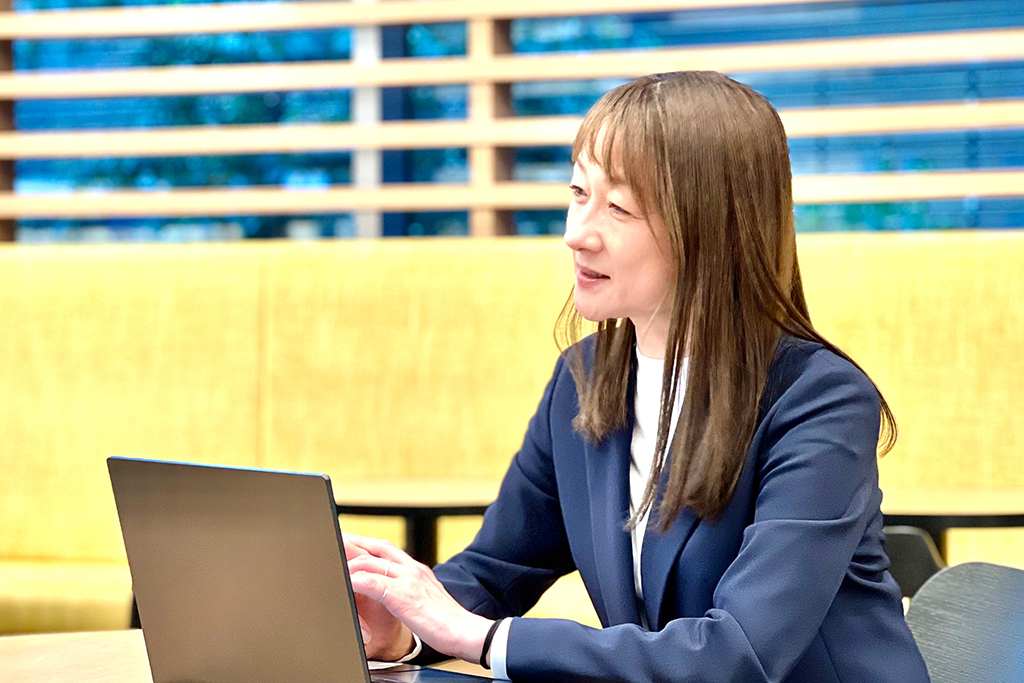
Toda: Tabimachi Gate Hiroshima handles "travel" (tourism business) and "town" (regional trading company business). In our regional trading company business, we operate cafes and shops. Among these, the "Hiroshima Peace Memorial Park Rest House" near the Atomic Bomb Dome and the select shop "BANCART" in the business district deliver regional specialty products to tourists and the people of Hiroshima Prefecture.

Tabimachi Gate Hiroshima Co., Ltd. Chihiro Toda

Q. What led to the launch of the "Hi Hiroshima" project?

Muto: It began when we met Tabimachi Gate Hiroshima, who handles the regional trading company business, through an introduction from Hiroshima Bank. We got excited about collaborating on a new venture that could contribute to the local community while also promoting Hiroshima globally!

We learned from Tabimachi Gate Hiroshima that local manufacturers and creators faced the challenge: "Even when we create upcycled items from materials destined for disposal, reaching customers remains difficult." Meanwhile, at Shiodome Salon, we were conceptualizing " HAGIRE," a brand platform for upcycled products developed by various businesses. When we shared this idea, they agreed, and we decided to pursue it as a joint venture.

Toda: This project sparked our desire to "develop our own upcycled products and bring smiles to the people of Hiroshima." It evolved into the item brand "Hi,Hiroshima," driven not just by creating products, but by our wish to connect it to branding for our local Hiroshima community. As a way to give back locally, we also contribute a portion of this project's sales to conservation activities at the Peace Memorial Park.

We want to spread peace to the world through our items.

Q. Please tell us about the concept behind "Hi,Hiroshima".

Muto: Visiting the Peace Memorial Park and seeing the Atomic Bomb Dome and museum deepens one's feelings about peace. However, there was no symbolic item brand to which people could entrust those feelings. We wanted to provide emotional items that would make people reflect on the importance of peace every time they saw them. At the same time, we wanted to create something that local people could take pride in, thinking, "We are conveying the importance of peace to the world."

Simultaneously, we conceived the idea of launching a city campaign originating from merchandise, similar to New York State's "I Love New York" campaign from the 1970s and 80s. Even today, when you visit New York, you see the "I❤NY" logo and various items selling throughout the city. Citizens take pride in it. Our team expanded this vision: launching such a brand originating from Hiroshima, using merchandise to convey peace to the world.

Q. Mr. Yoshida is responsible for the copywork surrounding the brand. Could you share the thoughts behind the brand name and copy?
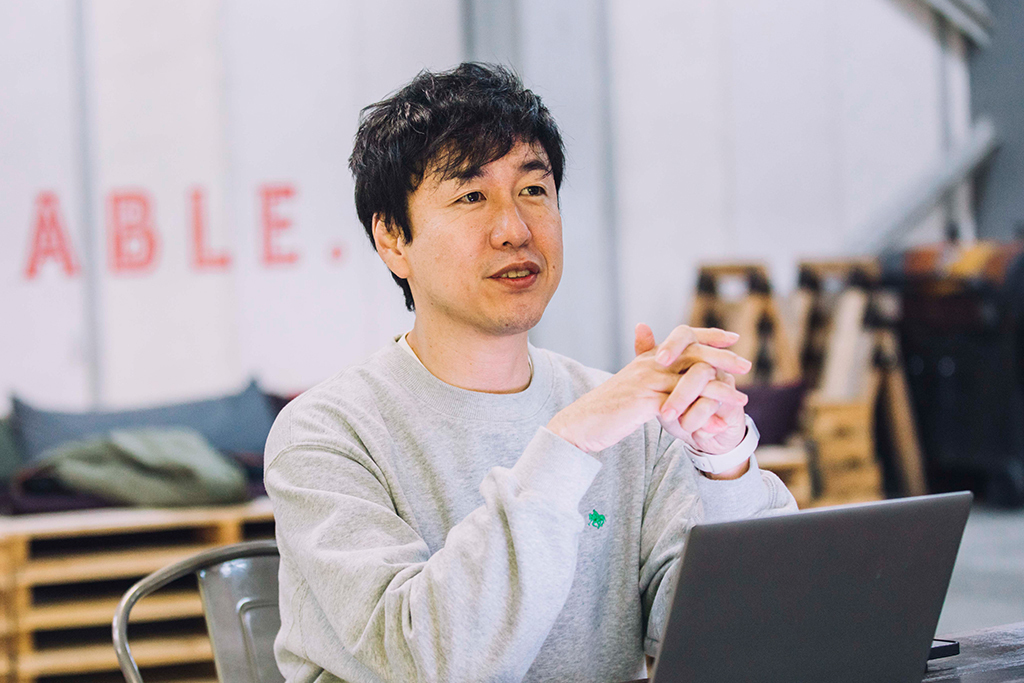
Kazuma Yoshida, Dentsu West Japan Inc.

Yoshida: The brand name was inspired by my own experience. I'm from Hiroshima, and since elementary school, I'd often greet overseas travelers I saw locally with "Hi!". Thinking about it, "Hi" is actually part of "Hiroshima". That's how I came up with the name "Hi, Hiroshima".

The main copy is "Connect with the world." With the intention of having visitors take home thoughts of peace, I infused the word "connect" with the meaning of "exchanging feelings" and "sharing thoughts of peace." Also, Hiroshima residents are cheerful, and there's a culture of high-fiving when the Hiroshima Toyo Carp win or score. This is purely my personal impression, but it also expresses that image.

Design and Item Development Embracing "Hiroshima's Unique Character "

Q. What kinds of items does "Hi, Hiroshima" currently offer?
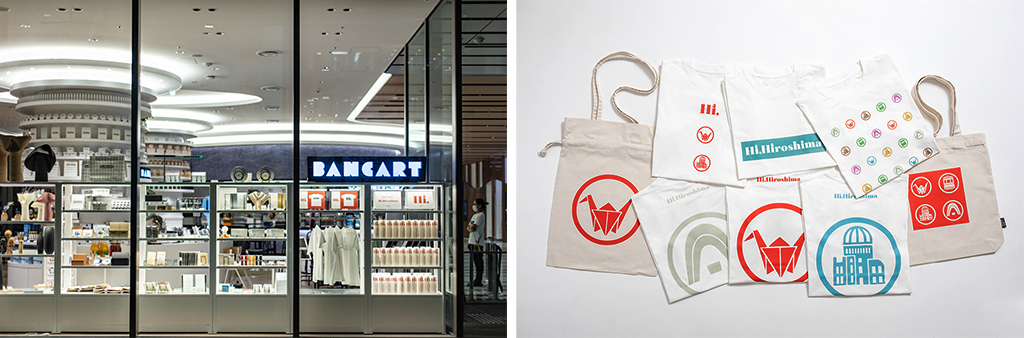
Toda: Currently, we sell T-shirts (6 designs) and tote bags (2 types). We also offer T-shirts with exclusive designs for the select shop "BANCART," and we're trying initiatives to encourage people to explore both the Peace Memorial Park and the business district.

Muto: We see T-shirts and tote bags as "items that can become media." At the Peace Memorial Park Rest House, which sees many international visitors, T-shirts are a top seller, and people often wear them right after purchase. Similarly, tote bag buyers frequently start carrying them immediately. So, we decided to start by selling these two items to flood the city with "Hi, Hiroshima."Starting in summer 2025, we will expand the number of items and offer a more varied selection.

Select Shop "BANCART" (left) T-shirts and various tote bags (right)

Q. Could you tell us about the design concept and any special touches?

Muto: Keeping the concept of "sending a message of peace to the world" in mind, we iconized symbols of peace like the paper crane and the Atomic Bomb Dome. The logo's key point is the dot above the "i" in "Hi,Hiroshima" forming a hand, incorporating the gesture of greeting or a high-five into the design. We also put thought into the item wrapping, using recycled paper from paper cranes that have served their purpose at the Peace Memorial Park.

Toda: Products with strong messages can sometimes be avoided by domestic customers, but the "Hi, Hiroshima" items are very well-received, with people saying "It's cute!" I believe it's a design that can bring smiles to customers both in Japan and abroad.

Yoshida: This August marks 80 years since the atomic bombing of Hiroshima. At the time, it was said that "no grass or trees would grow here for the next 75 years," yet Hiroshima, along with Nagasaki, achieved a miraculous recovery. The reason "Hi, Hiroshima" handles upcycled products that give materials new life and recycled paper is because it also embodies that image of recovery.

Q. Since starting sales, have there been any memorable episodes?

Toda: A local TV station's news program had a segment showing what souvenirs overseas travelers bought in Hiroshima. A woman who purchased a "Hi, Hiroshima" tote bag appeared. She said she bought it after seeing the POP stating, "A portion of sales supports conservation activities at the Peace Memorial Park." I was deeply moved that she purchased it after understanding the product's story.

Communicating the product's story to become a brand that takes flight globally

Q. How do you envision expanding "Hi,Hiroshima" going forward?
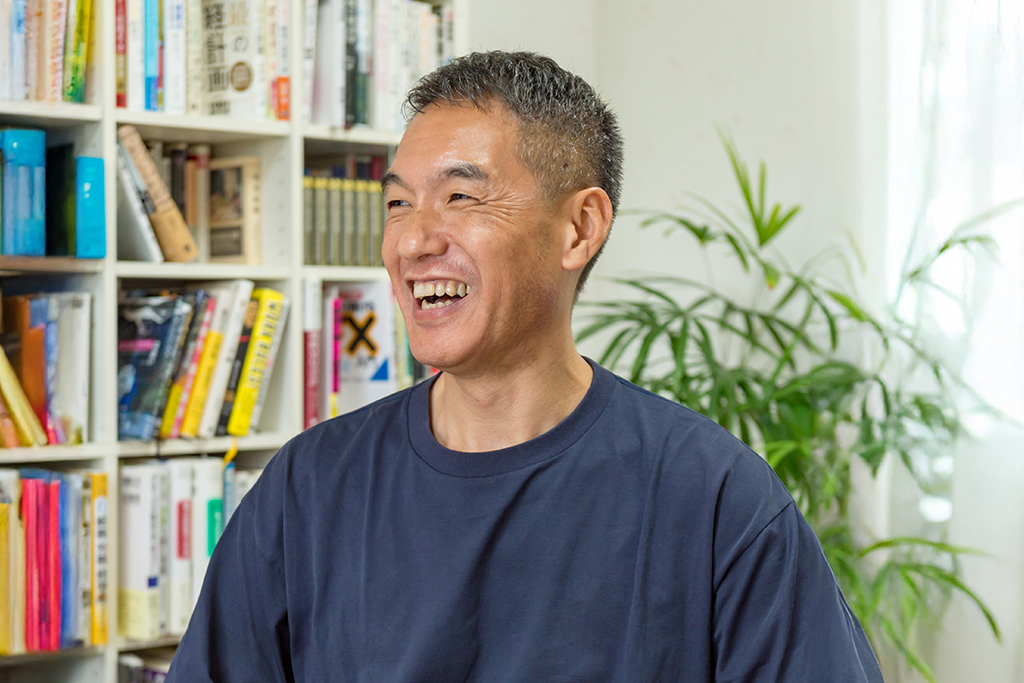
Muto: We envision "Hi, Hiroshima" expanding beyond just selling items into broader business areas. Ideas keep expanding—like developing food and drink menus for the cafe at the Peace Memorial Park Rest House, or collaborating on tour development with Tabimachi Gate Hiroshima's travel business. We want to use every possible approach to convey our thoughts on peace to people around the world.

Shinji Muto, Dentsu Inc.

Yoshida: Personally, I want "Hi, Hiroshima" to become a brand people use daily. I'd be thrilled if it grew to be loved like "I❤NY," becoming a symbol of Hiroshima where people say, "That's the logo you associate with Hiroshima."

Toda: The Dentsu Group team proposed products with strong appeal and design, moving customers' hearts and creating a breakthrough that led to purchases. Moving forward, we want to convey the product's story using various methods.

Global instability persists, and it's difficult to resolve the situation relying solely on Hiroshima residents' strong desire for peace. While it may be a small effort, I want to continue protecting this brand as it spreads its wings globally.


Mr. Mutō of Dentsu Inc. notes that residents, not just in Hiroshima but everywhere, often struggle to recognize their own region's appeal. Therefore, the first step is to introduce "Hi, Hiroshima" to tourists, and from there, increase brand awareness among local residents. Key to this are compelling copy that conveys the brand's message and eye-catching design. Moving forward, we will continue to leverage Dentsu Inc.'s Creativity to drive regional revitalization.

Was this article helpful?

Share this article

Author

Chihiro Toda

Chihiro Toda

Tabimachi Gate Hiroshima Co., Ltd.

Regional Trading Company Division

Chief

Returning to my hometown from the Kanto region, I sought a career involving local community engagement. In May 2021, I joined as store manager for the launch of "BANCART," a shop curating regional products opened on the 1st floor of the Hirogin HD headquarters building. My previous role was in the apparel industry, primarily focused on store operations. Currently, I oversee merchandising and visual merchandising for both BANCART and the Hiroshima Peace Memorial Park Rest House. My responsibilities include developing products using local ingredients and expanding sales channels. I also focus on planning and executing events to generate community engagement.

Kazuma Yoshida

Kazuma Yoshida

Dentsu West Japan Inc.

GPC

Creative Director / Copywriter

Born in Hiroshima Prefecture. After working at Recruit Media Communications, joined Dentsu West Japan Inc. While handling communications for various companies, media outlets, and professional sports teams in his hometown of Hiroshima, he was involved in new business and product development for passionate companies in the West Japan region.

Shinji Muto

Shinji Muto

Dentsu Inc.

SCC

Creative Director / Planner

Joined Dentsu Inc. in 1992. After three and a half years in sales at the Shizuoka branch, transferred to the Planning Department at Tokyo headquarters. Since then, work has spanned beyond advertising planning and production to encompass overall communication design, product and new business planning, and creative direction for content. Currently affiliated with CDC. Has also been active in educational institutions, including as a visiting researcher at Keio University's SFC Research Institute and as a lecturer at universities and elementary schools. In publishing, has been involved in planning for books such as Kiyoshi Shigematsu's "Dreams: Continuing the Pitch!" (Asahi Shimbun Publications), Hiroshi Shimizu's "Beyond the 'Solo Victory' Civilization" (Mishima Publishing), and Papaya Suzuki's "Kazufumi-kun" (Asahi Shimbun Publications), and also produces children's picture books. His authored books include <a href="http://www.dentsu.co.jp/knowledge/publish/concerned_creative/atama.html" target="_blank">"Improving Your Brain's Constitution"</a> (Nikkei Publishing) and <a href="http://www.dentsu.co.jp/knowledge/publish/concerned_social/ojii_obaa.html" target="_blank">"Grandpa and Grandma's Okinawan Rock 'n' Roll"</a> (Poplar Publishing).
Also read

Hiroshima to the world. The peace-themed area branding project "HiHiroshima".