Note: This website was automatically translated, so some terms or nuances may not be completely accurate.
 The Good Relationship Between Marketing and Sustainability [3/3]
Behind the scenes of a nearly zero-waste event: A sustainability event with a 99.7% resource circulation rate.
This series explores the wonderful relationship between marketing and sustainability through a team effort.
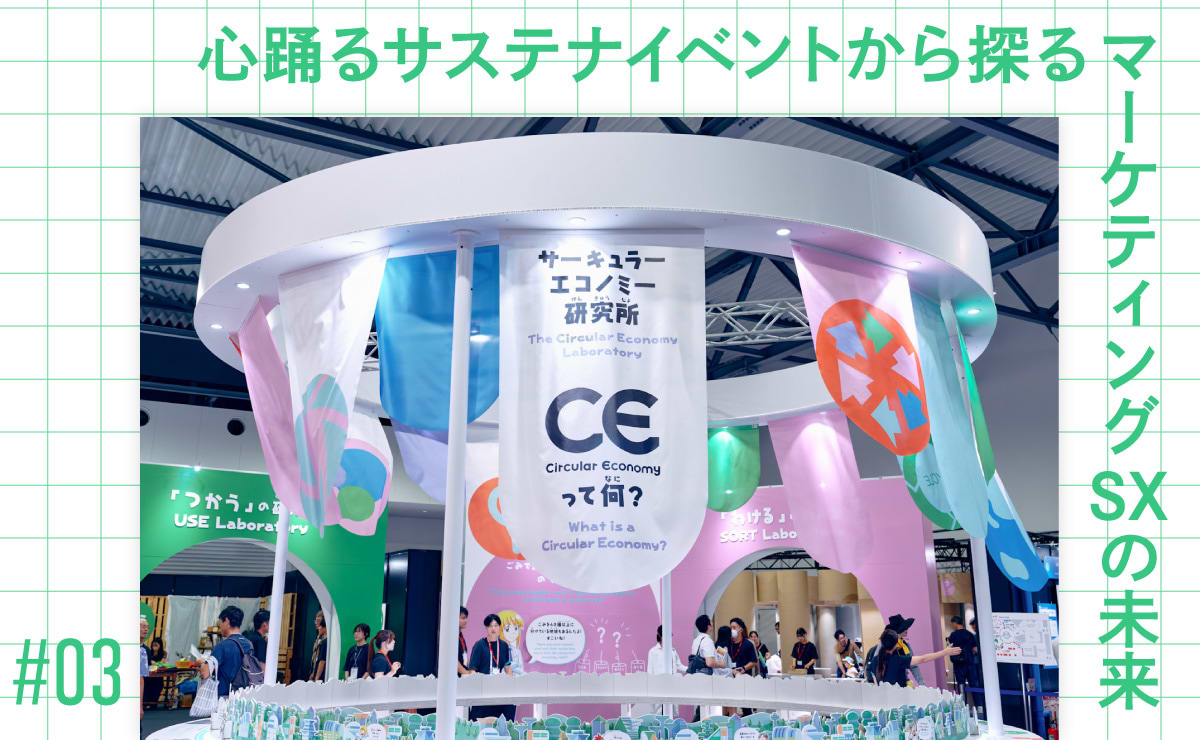
This time, we introduce the "Circular Economy (CE) Lab," an experiential event hosted by the Ministry of Economy, Trade and Industry at the Osaka-Kansai Expo (EXPO Messe "WASSE").
Despite the seemingly daunting theme of the circular economy, this event was well-received by participants. It is now being rolled out nationwide as a classroom-style event where participants can learn about the circular economy, leveraging its legacy.
How was this experience created that allows children to "understand sustainability in a fun way"? Furthermore, what process enabled the achievement of a remarkably high resource circulation rate, reusing 99.7% of the materials used in the event?
Yuka Sawai and Yurika Mori from the Sustainability Consulting Office, along with Yuki Nagakawa from Dentsu Live Inc., share the behind-the-scenes story—from the planning background, through the design and operational ingenuity, to the implementation.
<Table of Contents>
▼"Circular Economy Research Institute" Collaborating with the "Science Manga Survival" Series
▼Only 1 in 3 People Know About the "Circular Economy"!?
▼Precisely Because the Content is Serious: "Educational, but Not 'Schoolwork'!"
▼Behind the Scenes of Exhibition Design Achieving an Astonishing 99.7% Resource Circulation Rate
▼Leveraging Legacy! Circulating Both Materials and Knowledge
▼Sustainability is where the excitement lies.
The "Circular Economy Research Institute" in collaboration with the "Science Manga Survival" series
Despite running for just 7 days (September 23-29, 2025) at the Osaka-Kansai Expo, the "Circular Economy (CE) Lab" recorded approximately 58,000 visitors, 100 collaborating partners, and a resource recycling rate of 99.7%. Though the theme was highly specialized, it proved so popular that lines formed, with waits of up to 30 minutes during peak times.
This event, a collaboration with the wildly popular "Science Manga Survival" series (Asahi Shimbun Publications) for elementary school students, was packed with fun, educational features. Inside the venue, four interactive labs let visitors experience the circular economy firsthand, joining the manga's protagonist, Geo, and friends on a mission to "save the future Earth."
The mission of this event was to promote the concept of the Circular Economy itself. This stems from the low awareness of "Circular Economy" among Japanese people.
Only one in three people know what the "circular economy" is!?
※Internet survey of 1,000 people aged 18 and over nationwide (100 samples each of men and women in their teens, 20s, 30s, 40s, and 50s) / Conducted July 30 - August 1, 2025 / Ministry of Economy, Trade and Industry
According to a Ministry of Economy, Trade and Industry survey, awareness of the "Circular Economy" stands at about 30%. This indicates that roughly one in three people are familiar with the concept.
While the world is transitioning from a linear economy (※1) to a circular economy, awareness in Japan remains insufficient. METI views this situation as a significant challenge for the Japanese economy.
However, it's not simply a matter of increasing awareness of the term. What's needed is action from each individual.
Sustainability is too good to be true. Consequently, even when presenting the ideal state achieved through sustainability, it can feel like empty rhetoric, failing to translate into action in people's daily lives. Therefore, we considered that focusing on challenges to change individual behavior might be more effective.
Based on the hypothesis that "even if people understand it's a good thing, they may not visualize what specific actions to take," this event organizes consumer actions for realizing a circular economy as "Circular Consumption Actions."We translated actions contributing to the circular economy into the verbs "buy," "use," "separate," and "recycle." Based on this concept, the exhibition was planned and designed, with four dedicated research labs established within the CE Lab: the "Buy" Lab, the "Use" Lab, the "Separate" Lab, and the "Recycle" Lab.
*1 Linear Economy = A one-way (linear) economic model: Resources → Manufacturing → Consumption → Disposal. Also called a "mass production, mass consumption, mass disposal economy."
Because the content is serious, we aim for "learning without making it feel like 'schoolwork'!"
No matter how simply we explain the circular economy with easy-to-understand words and illustrations, not everyone will immediately think, "I want to incorporate this into my own life!" Therefore, we created mechanisms using "playful pathways" that allow participants to practice the concept of resource circulation while having fun and clearing challenges.
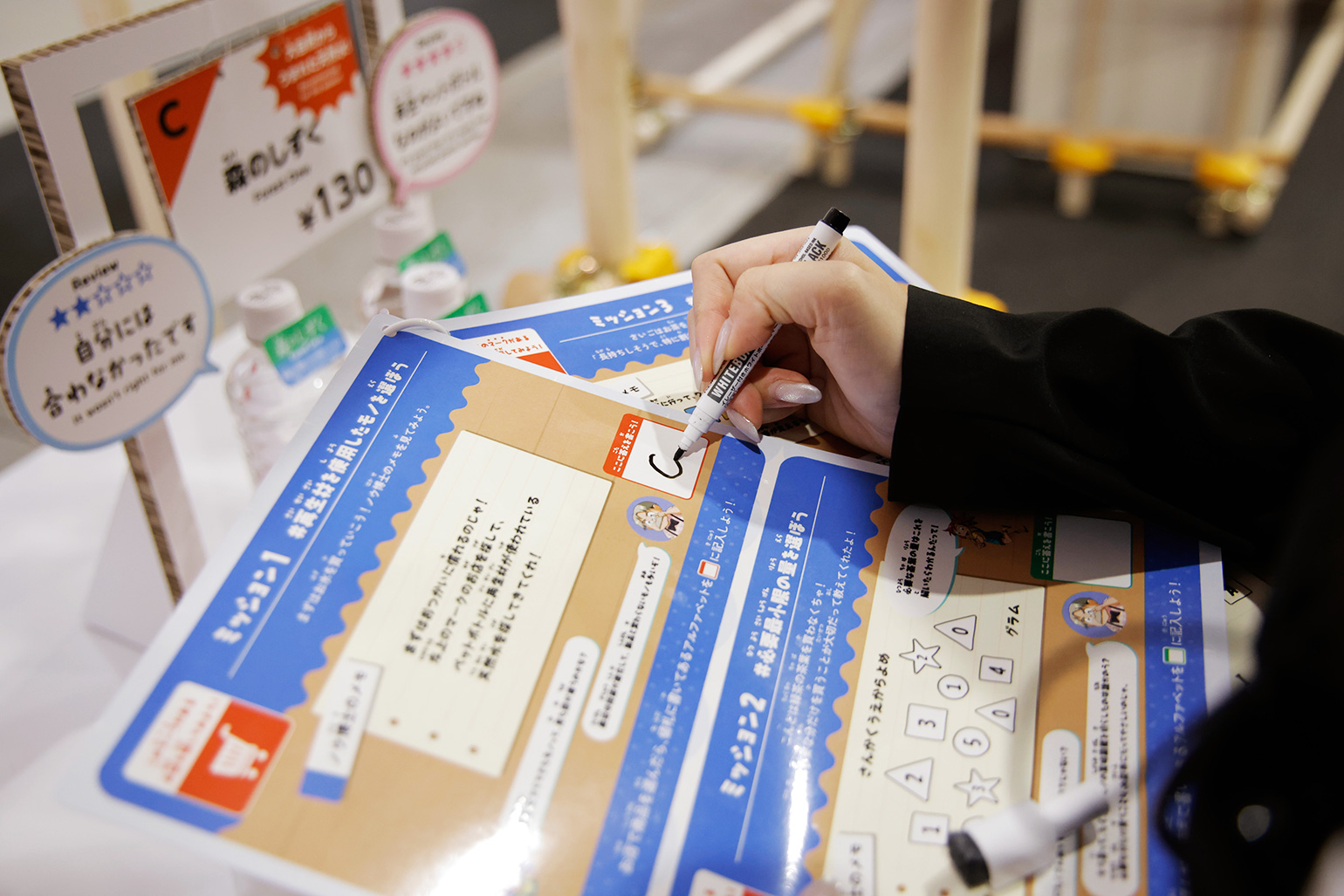
For example, in the "Kao" Lab, participants can physically handle products in a space recreating a shopping district while solving puzzles to experience "How can I make truly 'good' purchases?" Problems deliberately challenging even adults are prepared, designed to be accessible as a child-friendly entry point while also immersing adults. Some participants, parents and children together, challenged themselves multiple times and stayed for over two hours.
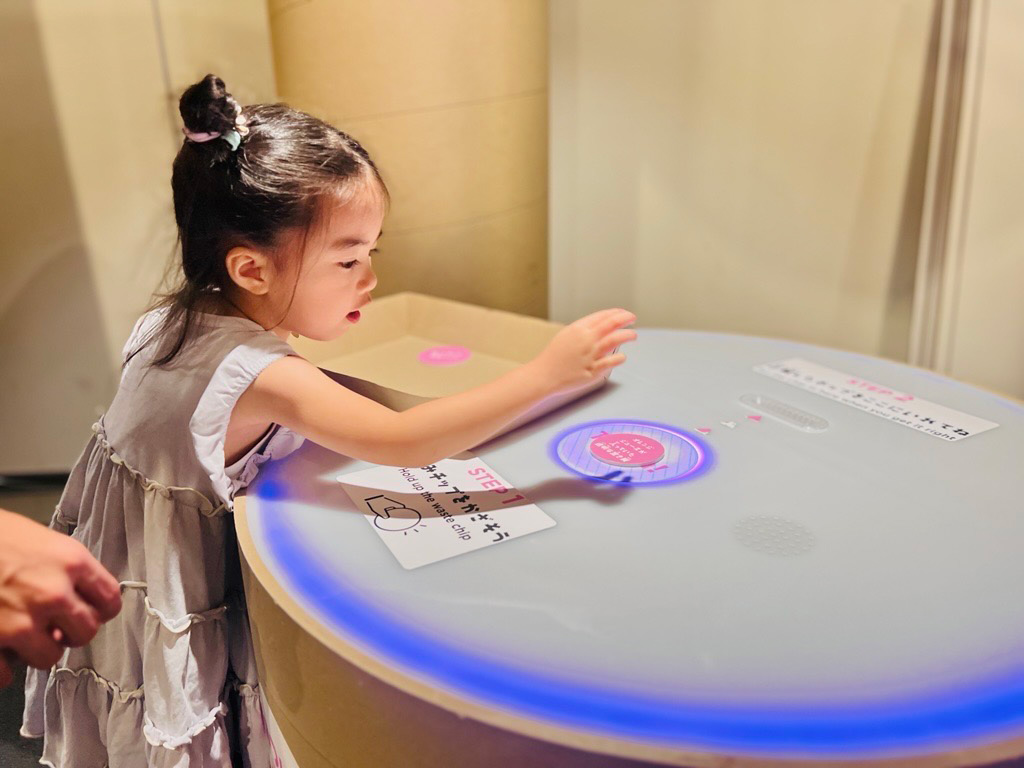
The "Sort" Lab is designed to challenge participants to sort waste in a game-like manner.Visitors receive six "trash chips" representing waste. They sort these into 28 categories using the "Sorting Machine," modeled after the recycling initiatives of Osaki Town (Kagoshima Prefecture). For example, one participant pondered, "Is 'Dr. Know's Research Output' from the science manga Survival considered general waste...?" The correct classification was actually "copy paper."
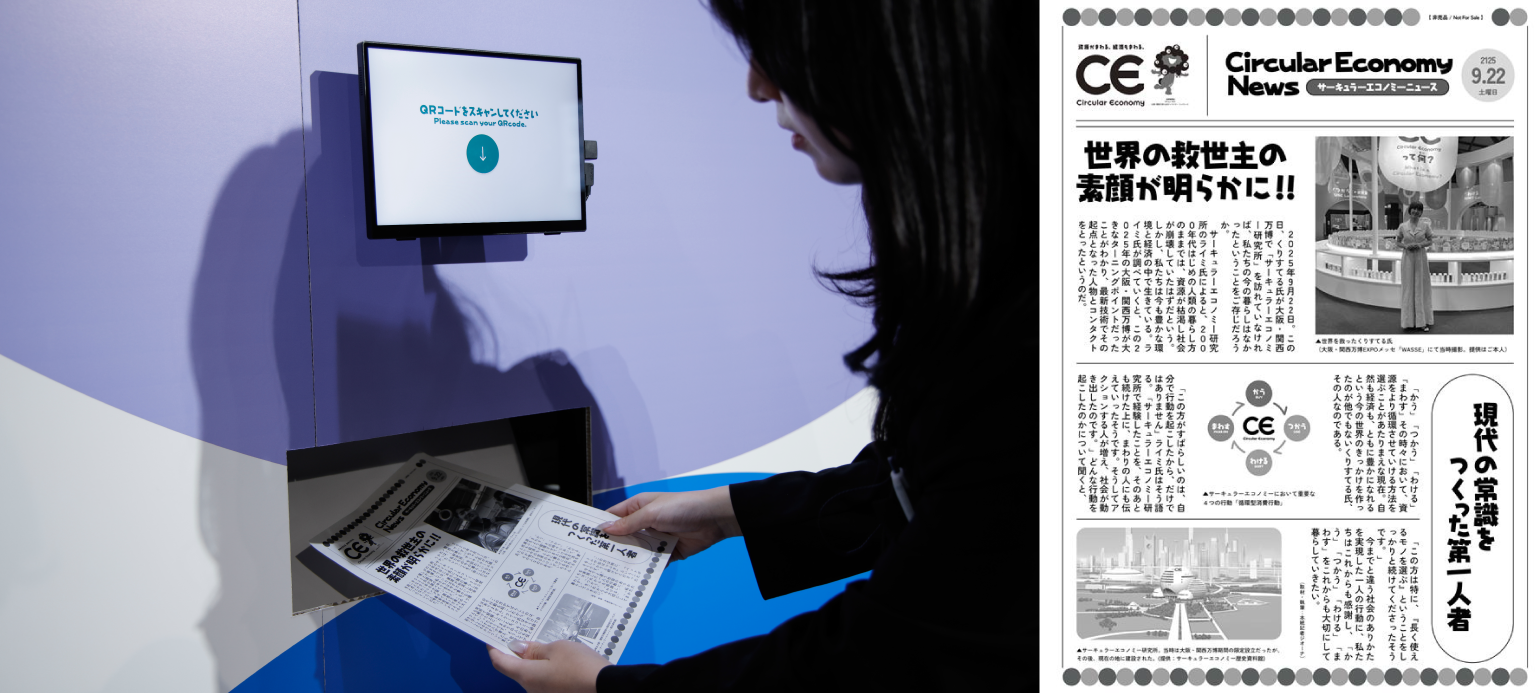
The exhibition's core narrative is straightforward: "Your decisions and subsequent actions at this exhibition will save a future on the brink of collapse." Ultimately, visitors receive a small souvenir: they become the "world's savior" featured on the front page of the "Future Newspaper."Your name, visit date, and the circular action you pledged to take (Everyone's CE Action Declaration) are printed on it. This approach, cleverly using your face as a memento of the Expo visit to provide a reminder, is also impressive. Other elements packed in include novelty booklets and card games, all designed to help integrate actions into daily life.
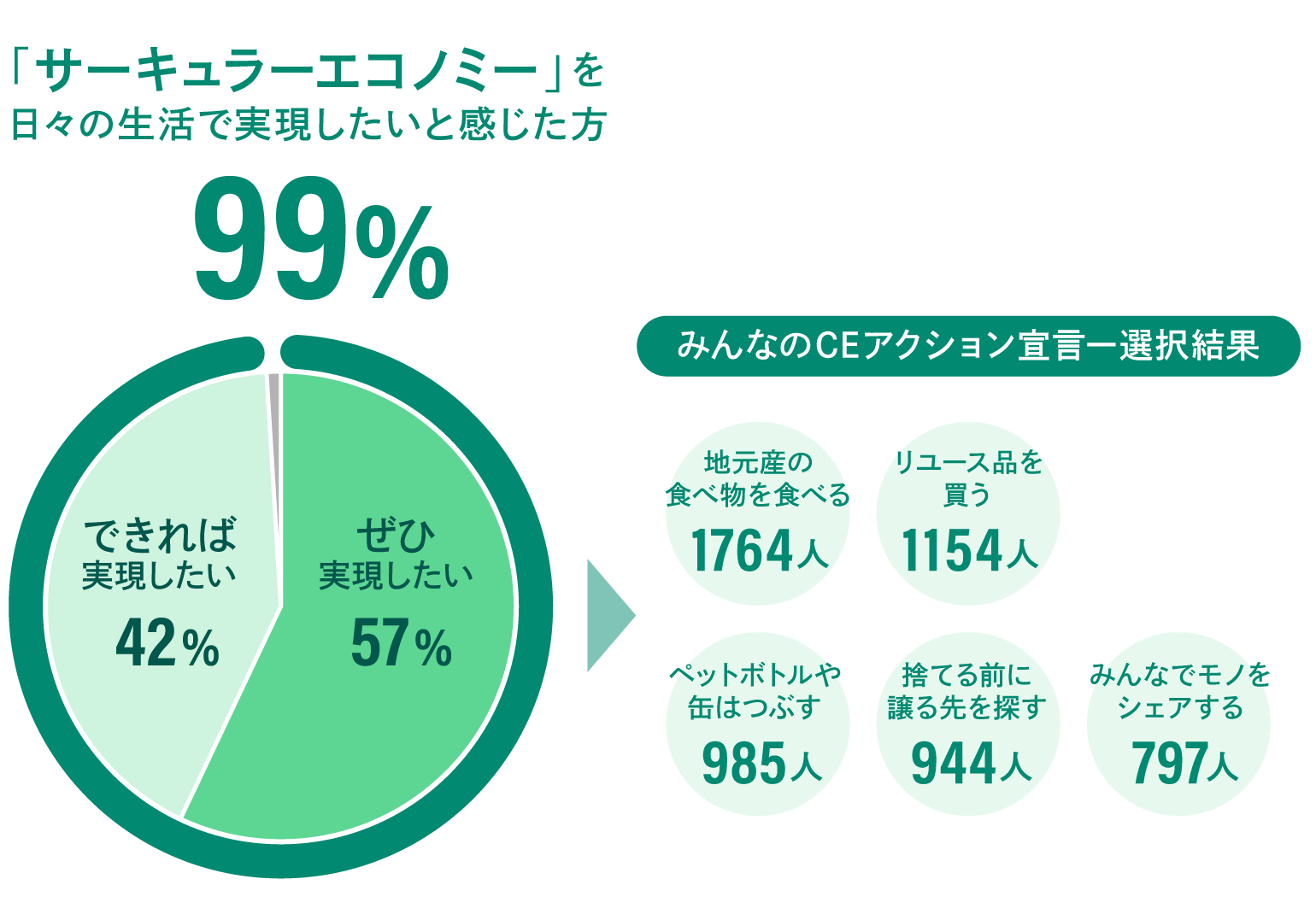
As a result, over 99% of participants stated they wanted to achieve a "Circular Economy" after experiencing this exhibition. The actions chosen by visitors were mostly related to familiar purchasing behaviors, such as "eating locally produced food" and "buying reused items." Seeing these results underscores how crucial it is to translate the concept into simple, accessible actions.
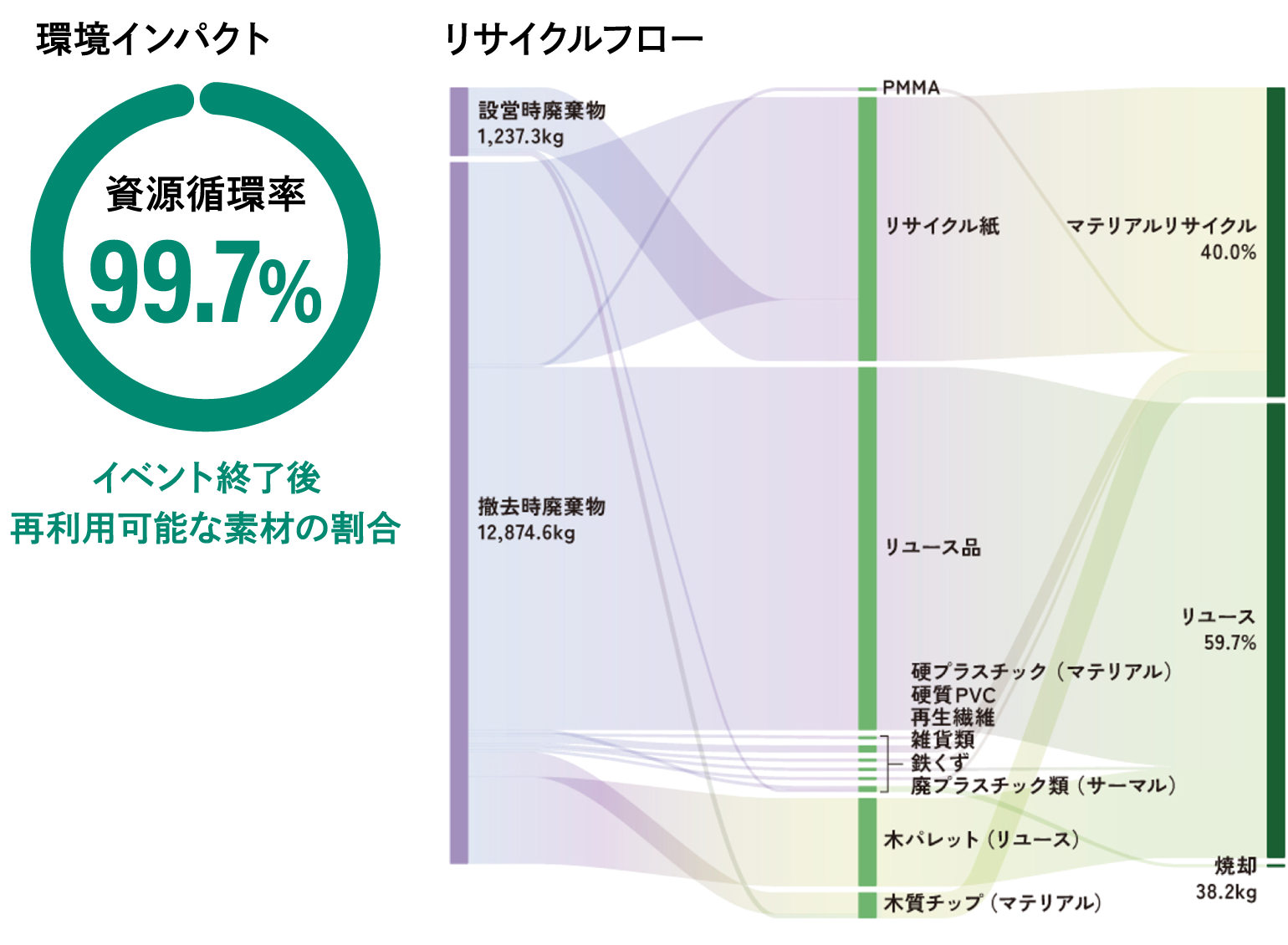
Behind the scenes of creating an exhibition that achieved an astonishing 99.7% resource recycling rate
In the environmental field, if concrete actions do not accompany messages, it can easily become greenwashing. At this event, efforts were also made to improve the resource recycling rate of the construction materials themselves. At normal events, many materials tend to be disposed of as waste after the event. Therefore, the linear economy premise of "make, use, break" was reevaluated, and a production policy based on the "premise of recycling" was adopted from the planning and design stages.
Specifically, rental and reused items were selected for each component and area, and the space was designed based on the premise of using the selected materials.Furthermore, when new materials were required, they were strictly limited to materials suitable for material recycling (※2), such as cardboard panels, paper tubes, and printed paper. The design and operation process was built around the principle of "where and how to recycle," rather than assuming disposal. As a result, the resource recycling rate achieved an impressive 99.7%! This significantly surpassed the standard "build and destroy" process typical in the event industry.
※2 Material recycling: A recycling method where used products or waste are reused as raw materials.
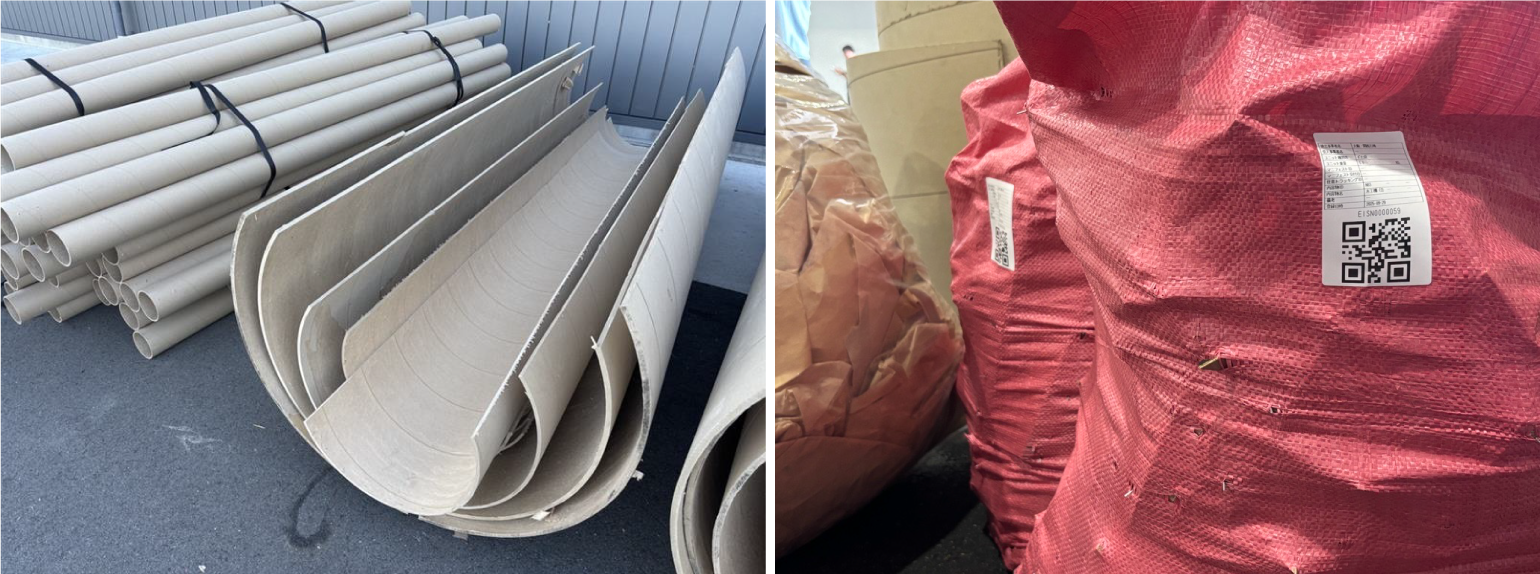
After the event, materials are sorted and weighed by type, assigned QR codes, and digitally managed from collection to reprocessing. This traceability system makes the resource journey "visible," enabling highly accurate circular management.
The benefits of adopting a circular economy in event production extend beyond simply reducing environmental impact.
For organizers, it also offers highly attractive benefits: creating a tangible contribution to society through reduced environmental impact enhances the event's PR value, and thoroughly minimizing resource waste improves budget efficiency.
While this first attempt still has room for improvement, the event provided many valuable insights and became a highly meaningful model case for implementing the circular economy.
Leveraging Legacy! Circulating Materials and Knowledge
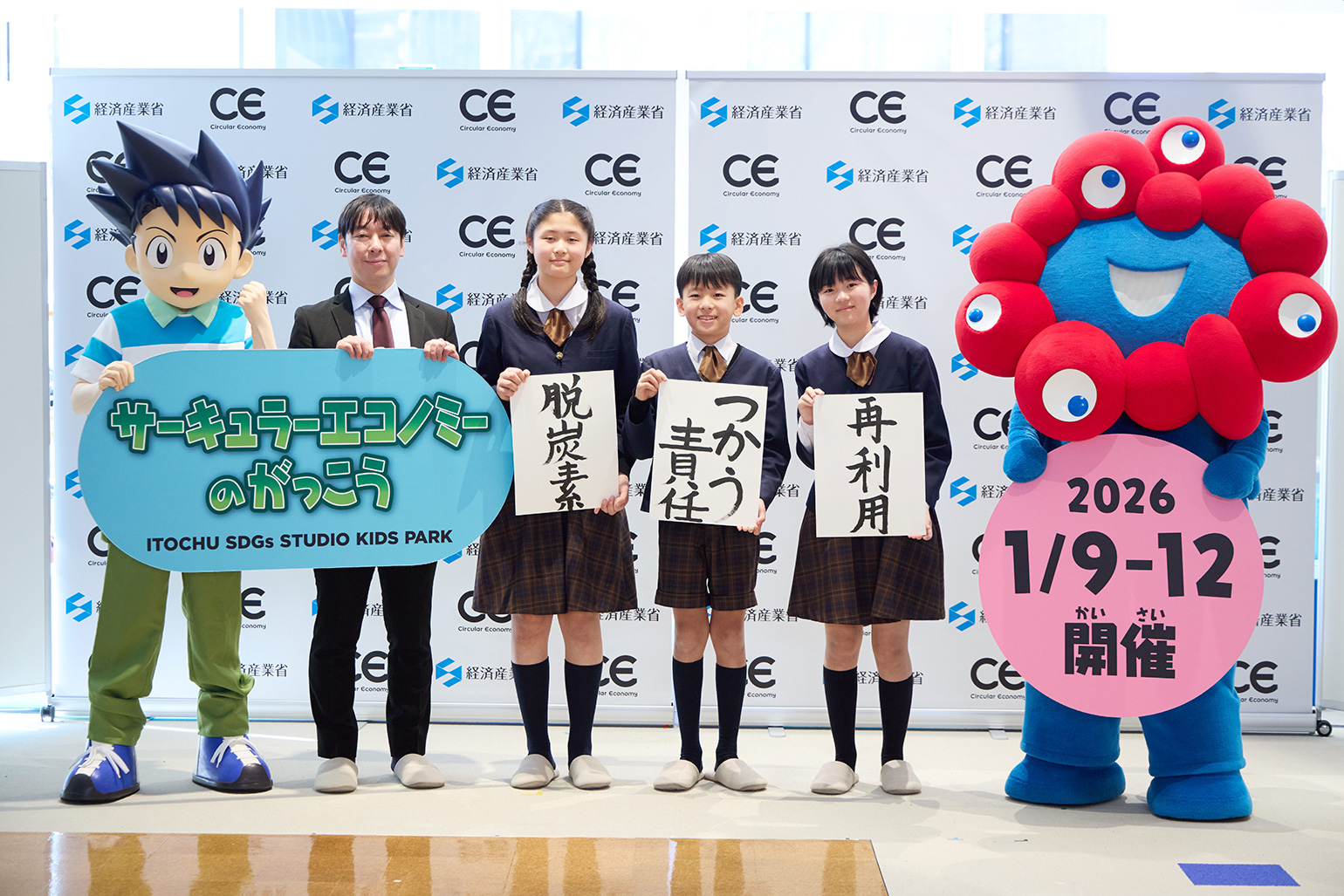
It's not just materials that can be reused. This event leveraged its legacy to launch "Circular Economy School" programs across various locations. Some exhibits and learning booklets used at the Expo were repurposed as teaching materials, combined with a card game to create a participatory, lesson-based program.
The star of the program is a memory game developed based on "circular consumption behavior" created for this project. It's designed so that while playing, participants naturally learn circular economy terms and actions.
At the venues, children enthusiastically shouted "Paperless!", "Sharing!", and "Circular!", giving rise to "CE natives" who could rival adults.
Classroom events have also been held in Toyama, Kyoto, Tokyo, and Saitama, receiving positive feedback from participants.
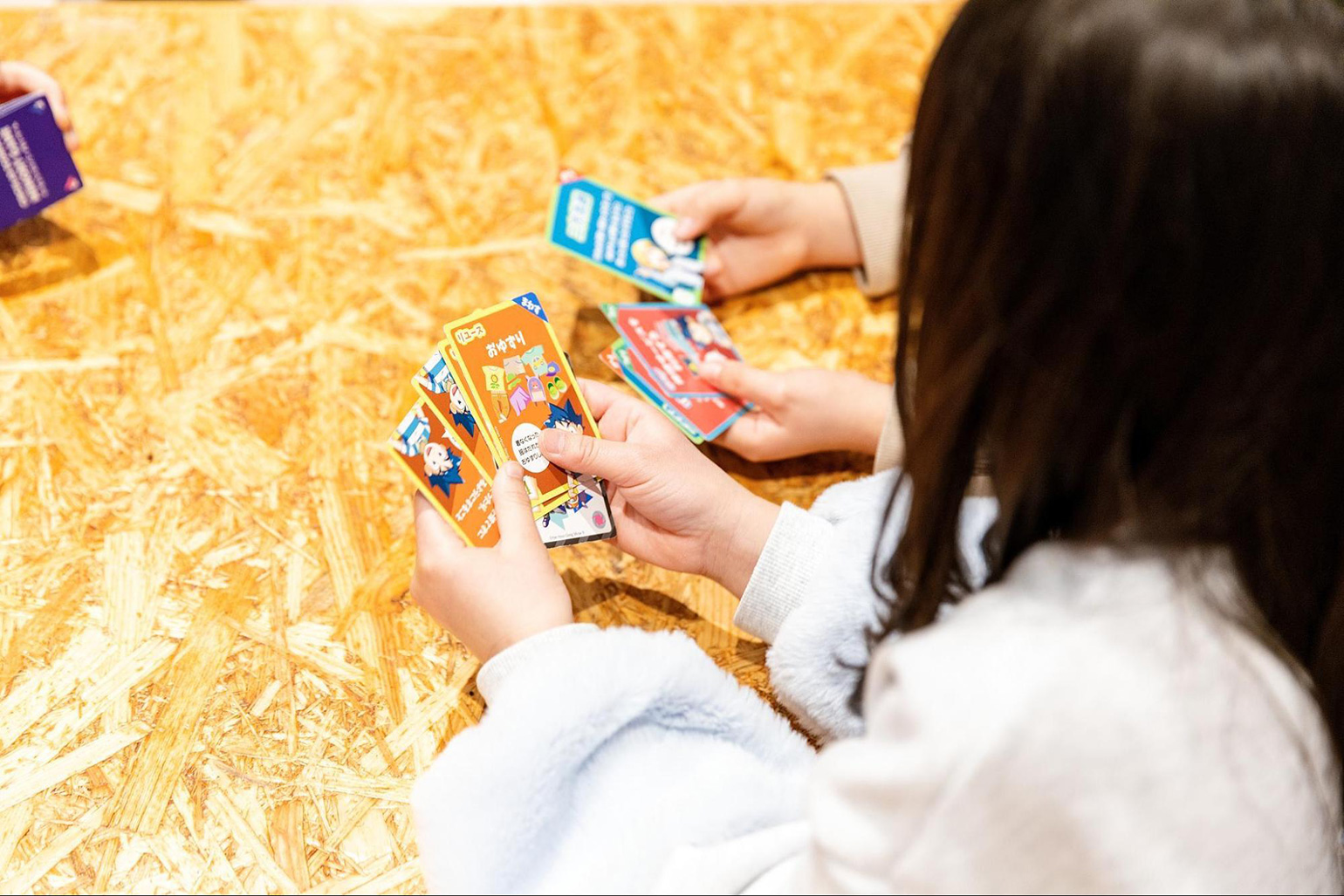
Special classes were also held at elementary schools that requested them.
Even though many children heard the term "circular economy" for the first time, they thought hard about what actions they could take starting today.
Not just resources, but the learning and insights born from the event circulate to the next place, to the next generation. This, too, can be called a splendid circular economy.
Let's find that spark of excitement within sustainability.
This time, we focused on introducing events themed around the circular economy.
Sustainability is fundamentally an important issue not just for business but for consumers too, and this is becoming common knowledge, especially among children and young people. Precisely because everyone vaguely understands this, the crucial question is how to root it in each individual's actions.
The events hosted by the Circular Economy (CE) Institute were designed not just to communicate about the circular economy, but also to incorporate mechanisms that make people want to try it out—all based on this very idea.
And to spur action, we need that "heart-racing switch." Dentsu Inc.'s Sustainability Consulting Office will work alongside companies to implement heart-racing sustainability into business.
<Summary>
・Sustainability feels too abstract to stick, so a challenge-based approach is effective for driving action
・Precisely because it's a serious theme, the key is "event design that avoids making it feel like 'a lecture'"
・Design the exit strategy with the perspective: "How can consumers integrate this into their lives starting tomorrow?"
・When handling sustainability, weave resource circulation awareness into the design from the planning stage!
・Let's keep resources and knowledge circulating, passing the baton forward!
Was this article helpful?
Share this article


Newsletter registration is here
We select and publish important news every day
For inquiries about this article
Back Numbers

Author

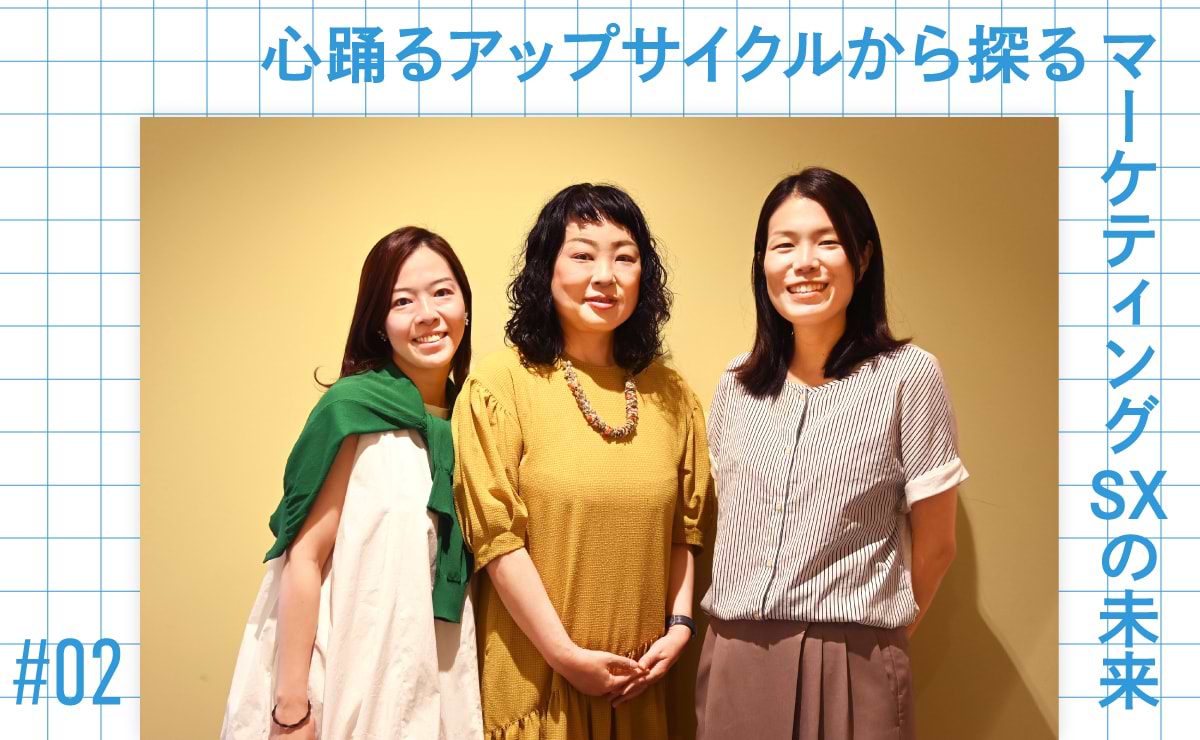
Yuka Sawai
Dentsu Inc.
Sustainability Consulting Office
Consultant
After working at an HR-focused creative agency, I joined Dentsu Inc. As a business producer, I handled the beverage, food, AI, and cosmetics industries, focusing on brand management while also engaging in advertising production, new product development, and business launches. After welcoming a rescue cat into my family, my awareness of social issues grew, leading me to the Sustainability Consulting Office. In my current role, I work across various sustainability domains, primarily focusing on biodiversity. I love cats, beer, and camping.

Yurika Mori
Dentsu Inc.
Sustainability Consulting Office
Creative Writer/Planner
After working as an advertising copywriter, I transitioned into the BX field. Beyond brand communication, I tackle a wide range of areas centered around verbalization, including management/environmental vision development, business development, narrative development, expression consulting, and designing internal activation initiatives. My awareness of sustainability challenges deepened after giving birth, leading me to take on numerous SX-related projects. I was responsible for the creative direction of the "Butterfly Check." I love whisky and theater.
Hiroki Nagakawa
Dentsu Live Inc.
Management Promotion Bureau, Next Business Development Department
After graduating from Osaka University Graduate School in 2015, he joined Dentsu Tech Inc. He transferred to Dentsu Live Inc. in 2018. Since then, he has been part of the Space Department, involved in spatial production for a wide range of projects including showrooms, store development, large-scale exhibitions, and international sporting events. Currently, leveraging his knowledge of design and construction, he is dedicated to promoting sustainability initiatives in the event sector. First-Class Architect / Real Estate Transaction Specialist