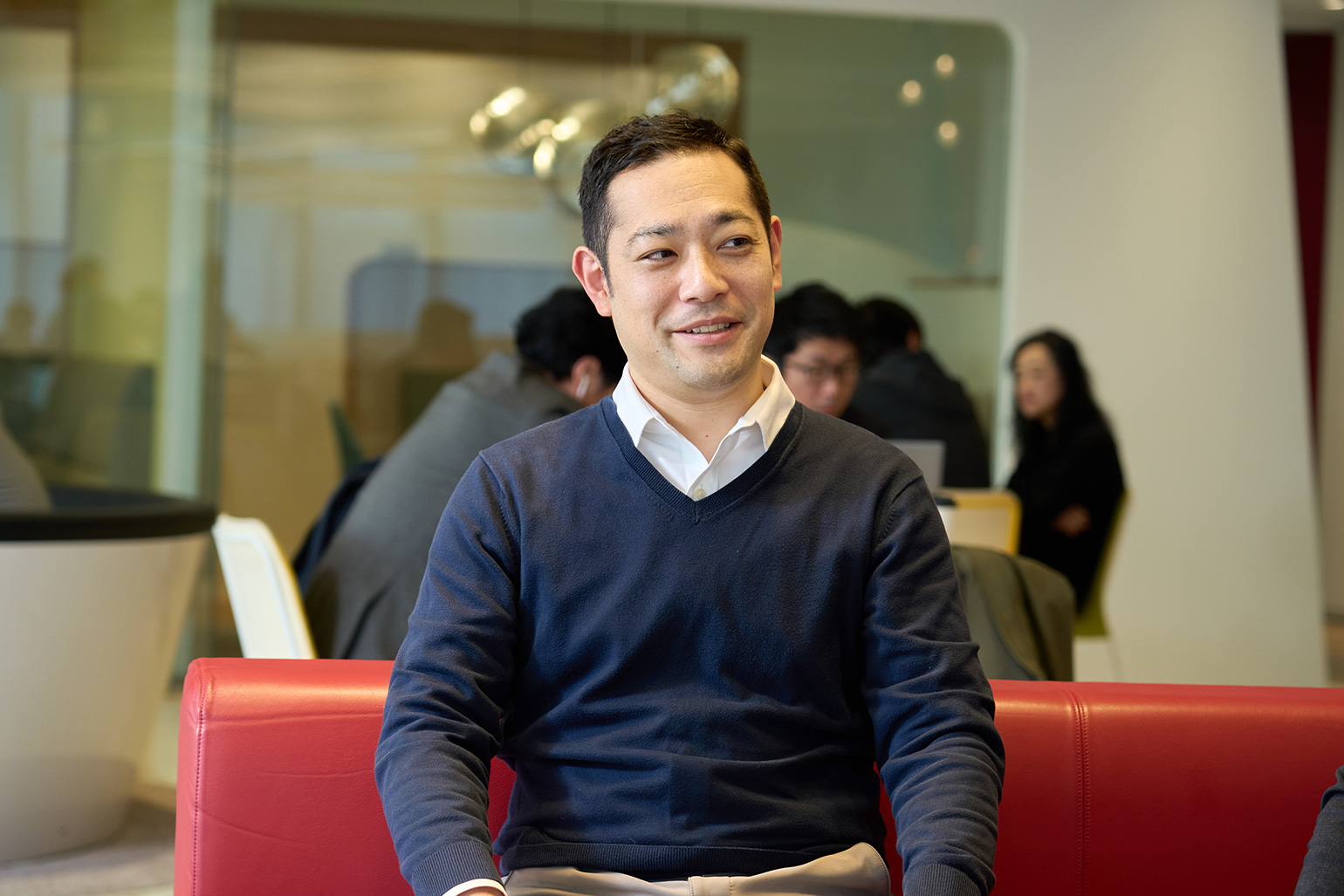
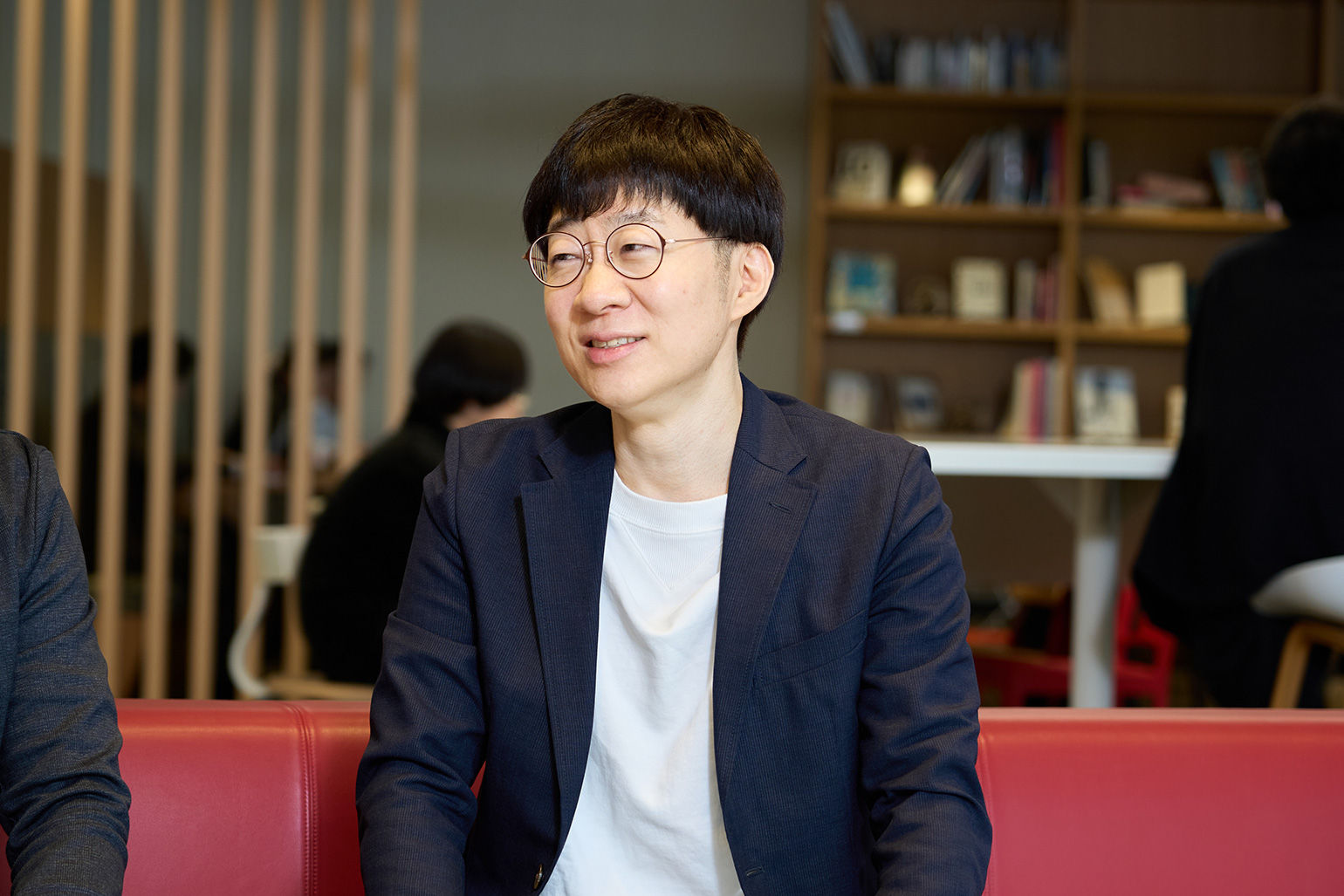
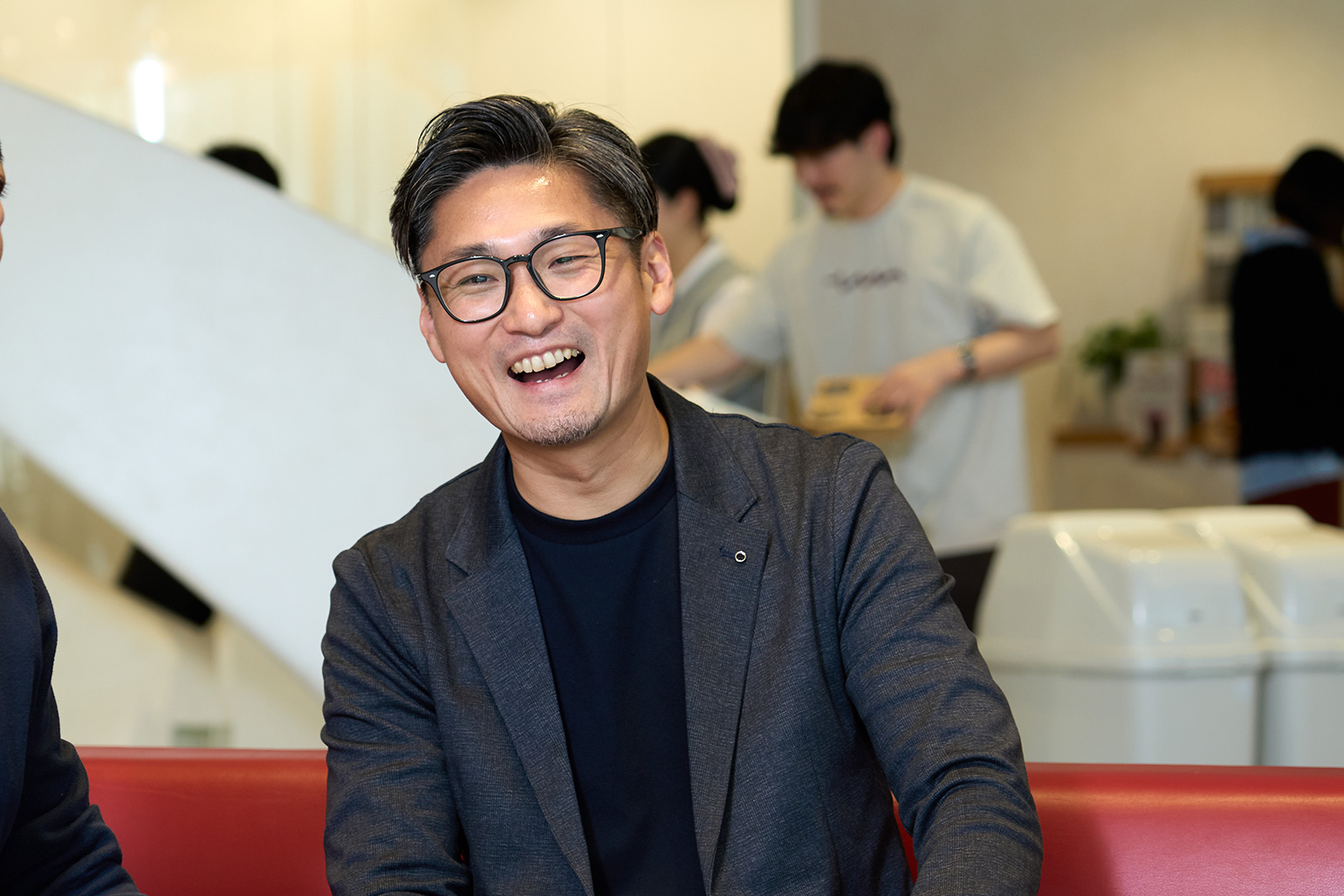
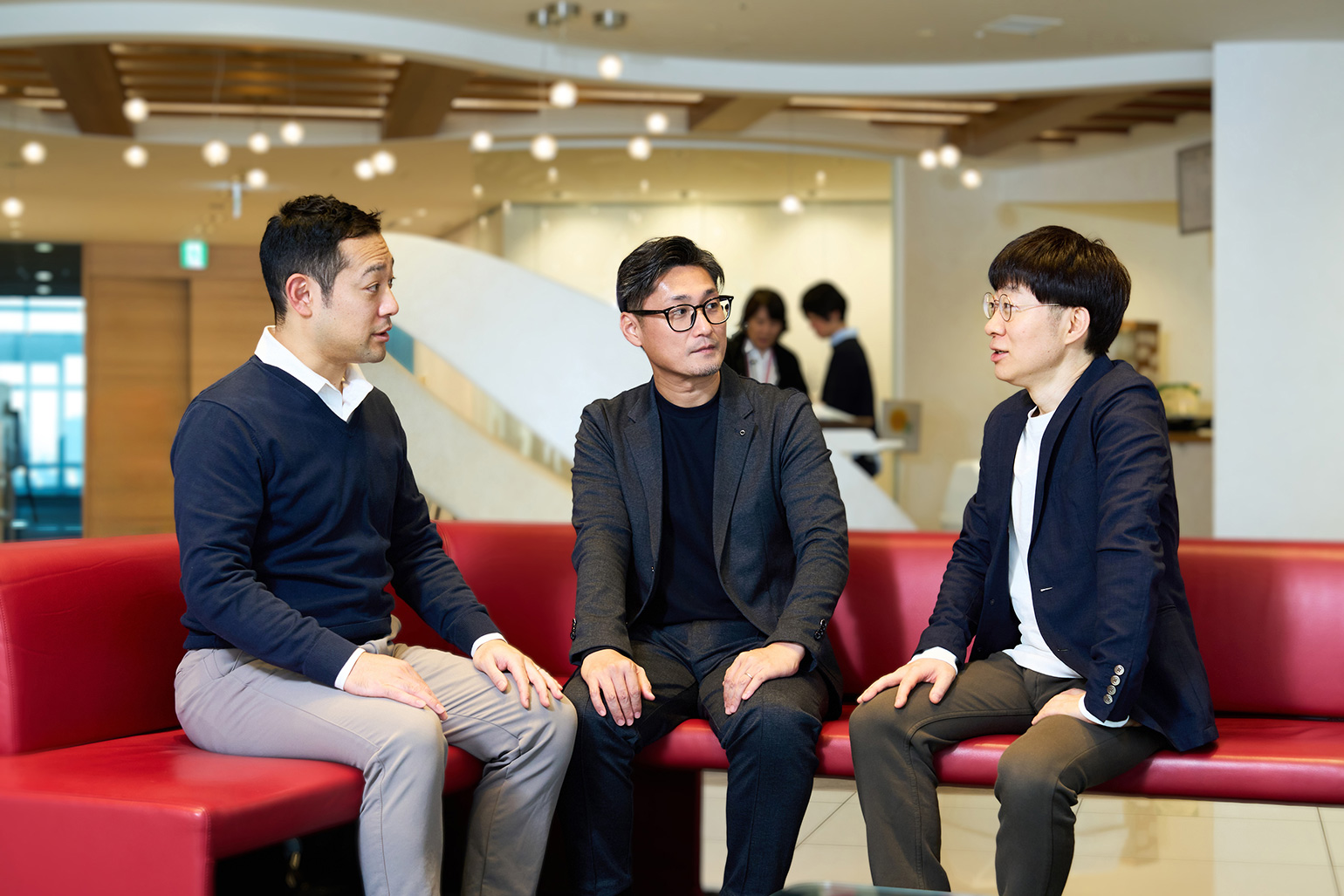
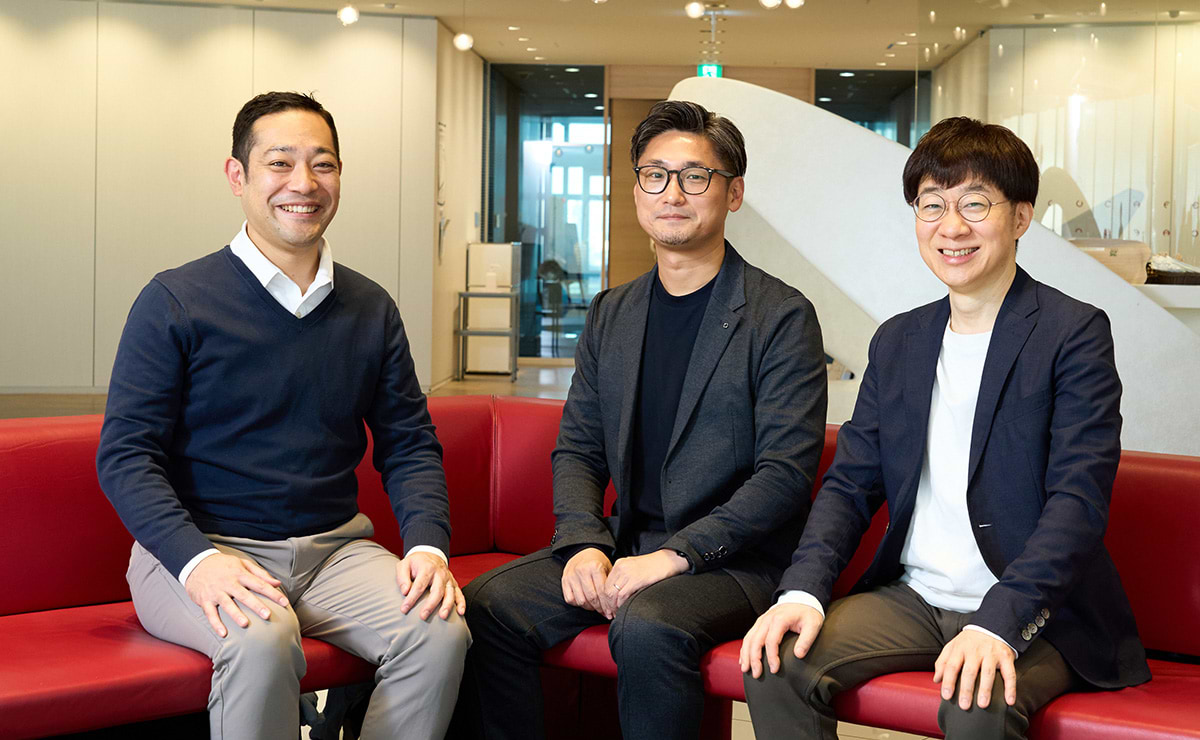
From left: Takashi Chiba of Dentsu Inc., Tetsuo Katsumata of Nikkei BP, and Naofumi Sato of Dentsu Inc.
Unraveling 2025 consumption through the lens of desire and forecasting 2026 desire trends!
Dentsu Inc. Desire Design (DDD) is an organization that develops solutions and disseminates information based on the relationship between consumption and desire. Continuing from last year, we present a New Year special roundtable discussion featuring guest Tetsuo Katsumata, Publisher of Nikkei Trendy. (Last year's articles: Part 1 / Part 2 )
In this roundtable, Mr. Naofumi Sato of DDD introduced two desire trends that couldn't be fully covered in the webinar. Joined by Mr. Takashi Chiba of DDD, the discussion became heated, extending beyond marketing to the relationship between humans and AI.
This first part analyzes and forecasts the desire trend: "Tokenization of Effort "!
The Age of Great Individuality is Upon Us. Six "Desire Trends" Predicting 2026
Takashi Chiba, Dentsu Inc.
Chiba: As part of our New Year roundtable discussion this year, we're joined by Tetsuo Katsumata, Publisher of Nikkei Trendy. We'd like to focus on two "desire trends" we didn't fully cover in our recent webinar.
Katsumata: Thank you so much for the webinar! Looking forward to today's discussion.
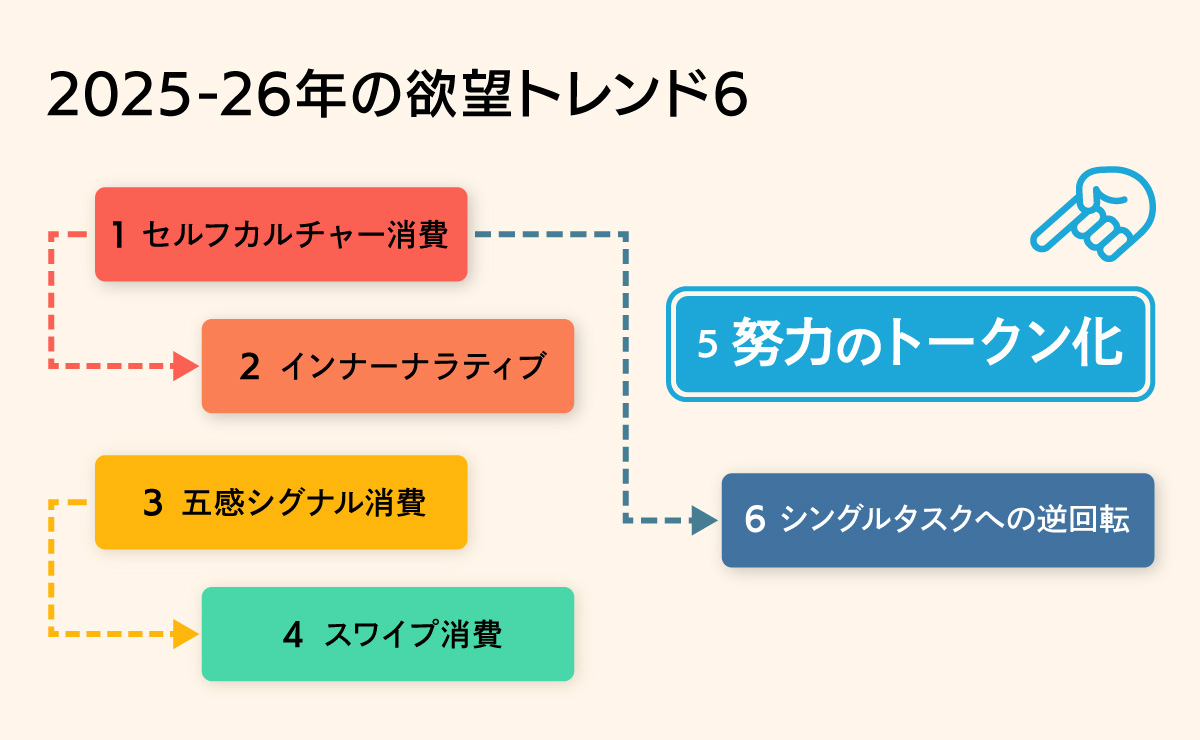
Sato: My pleasure! First, for Dentsu-ho readers, let's review the overview of "Six Desire Trends 2026." This is DDD's proprietary analysis and prediction, forecasting that the following six trends will define consumption in 2026.
01 Self-Culture Consumption
02 Inner Narratives
03 Senses-Based Consumption
04 Swipe Consumption
05 Tokenization of Effort
06 The Reverse Shift to Single-Tasking
Sato: Today we'll discuss desire trends 05 and 06. For trends 01 through 04, please refer to the report article from the webinar published by Do! Solutions. Here, I'll briefly explain them at a glance.
Desire Trend 01: "Self-Culture Consumption" We are truly in the Age of Individuality. Respect for diverse values is permeating even laws and social systems. While everyone can live "authentically," the value of "authenticity" itself is rising infinitely. Consequently, consumers seek products and services that affirm, bestow, and express their unique "authenticity."
Today, everyone incorporates elements they "like" from various worldviews and values, "editing" their own identity. The materials for this identity editing are "what I like" and "what others like." The sub-trends below lean more toward "what I like" on the left and more toward "what others like" on the right. [Sub-Trends] A. "Rediscovering Past Favorites" B. "Branding Through 'Likes'" C. "Curated 'Like' Miniature Worlds" D. "Deconstructing 'Likes'" E. "Transplanting Someone Else's 'Likes'"
Desire Trend 02: "Inner Narrative" The trend of "From We to Me," discussed at Cannes Lions. Hit content in 2025, led by the film "National Treasure," often focused on the protagonist's personal way of life. Stories that make audiences want to confront the introspective question "How should I live?" are gaining support. We named this cluster of hits and this perspective the Inner Narrative.
Desire Trend 03: "Five-Sense Signal Consumption" The volume of information people receive has exploded in recent years, causing minds to overheat under the immense load.As a result, social media is flooded with short texts, images, and short videos, while fast-paced educational content—like book summaries and edited clips from long videos—is booming. This fast-paced sensibility is starting to influence real-world purchasing too. We saw fast-paced mechanisms where naming and packaging directly grab attention through the senses, triggering desire before thought.
Desire Trend 04: "Swipe Consumption" E-commerce product selection, short videos, subscription content, apps, restaurants... every category offers infinite choices. Comparing and selecting is too psychologically and time-consuming, so it's easier to "instantly and intuitively reject options in seconds."Infinite scroll and algorithms support this process of elimination. Rather than seeking the optimal solution, this approach to selection consumption—finding a "reasonably acceptable answer" from a massive pool of candidates—resembles choosing a potential partner on a dating app. We call this Swipe Consumption.
Desire Trend: "Tokenization of Effort." What is the evolved form of the process economy?
Sato:The fifth desire trend is "Tokenization of Effort." To get straight to the point, what's remarkable about generative AI is that the process is a black box, and the final product is created instantly. For example, Monet's "Water Lilies" is magnificent, but AI can also create a painting that looks like Monet's "Water Lilies" on the surface. To someone with knowledge, their value is completely different, but without that knowledge, they appear equivalent. We've entered such a terrifying era.
In such an era, the value of the output itself—the final product—begins to diminish when judged solely on its finished state. We are entering an age where value cannot be guaranteed unless information about the depth and weight of the process leading to that output is provided simultaneously. In this context, the idea that "the more human effort and burden involved, the greater the value of the output" is what we call the tokenization of effort.
This can be seen as an evolution of the recent trend known as the "process economy." The process economy is the concept that by deliberately showcasing the "process," the process itself becomes content. A prime example is the Nizi Project, which produced NiziU.
With the tokenization of effort, we've reached a point where "the amount of effort and burden invested in that process" is converted into the value of the output.A prime example of effort tokenization is the timelesz project. The key difference lies in approach: while Nizi Project built something from scratch, timelesz took an already successful group and, taking significant risks, vividly showcased the rebuilding process. This successfully elevated timelesz's value.
I believe the process economy, which turns the process itself into content, and the tokenization of effort, which enhances the final product's value by showcasing the effort and burden within the process, are similar yet fundamentally different.
Communicating the effort and burden of the process increases the value of the output.
Dentsu Inc., Mr. Naofumi Sato
Sato: There are two directions for tokenizing effort. One is the desire to tokenize one's own effort, so to speak, and present it alongside the output. It's about saying, "This output wasn't just suddenly created by AI."
Kokuyo's "Adult Motivation Pen," which made Nikkei Trendy's Top 30 Hit Products list, was a product based precisely on the concept of visualizing and sharing the amount of one's own effort. While 2025 saw a knitting boom, knitting itself conveys effort just by showing the finished output.
Similarly, with cosmetic surgery, while showing only the final result and saying "cute/handsome" used to suffice, nowadays it's framed as "effort."By sharing the process—"I got cute/handsome by doing cosmetic surgery this way"—alongside the final result, the value of that output increases. Similarly, in an era where time efficiency is prized, deliberately waiting in long lines is another example of this reversal: the effort and burden of "waiting" actually increases the perceived value of what you obtain.
And another aspect is tokenizing others' efforts.A prime example is the film "Kokuhō" (National Treasure), which holds the record for highest-grossing live-action Japanese film. It's not just that the film itself is entertaining or well-made; it incorporates the effort of its two leads, who spent a year and a half undergoing genuine kabuki training, ultimately honing their skills to the point where they could perform an entire play from start to finish. Knowing this information makes us feel even more strongly that "this is an incredible film."
The timelesz project exemplifies this trend: sharing the effort behind the work has become a standard tactic in today's entertainment world to elevate the value of the output. Another example is Shogakukan's "Ura Manga" (Behind the Scenes Manga). Rather than simply presenting the finished manga as solely the artist's creation, it shows the editor's behind-the-scenes struggles, working side-by-side with the artist through the creative process. This approach enhances the value of the output as a team effort.
In future marketing, rather than just showcasing the final output, I think there's potential in deliberately weaving the inefficiencies of the process or the human imperfections into products or ads. Services that can visualize an individual's effort, like , hold promise. Essentially, a token that serves as proof of effort, like a "certificate of authenticity."
A reaction against AI? The demand for "authenticity" is growing
Nikkei BP, Tetsuo Katsumata
Chiba: Regarding tokenizing effort, I feel both creators and audiences see value in it. It's not just about publishing because there's demand; creators genuinely want their audience to "see" the effort and hurdles they overcame, and audiences find that appealing. It's a two-way street. What are your thoughts, Mr. Katsumata?
Katsumata: I deeply resonate with that. The acceptance of the effort behind the process, or what Mr. Sato called the "human flavor," feels like a reaction against AI that just spits out perfect, finished outputs.
I've been thinking we need products and services that tap into that human charm – the idea that the inherent hurdles in creating output, the situations where things don't always go as planned, are precisely what make us interesting. Your story resonates deeply with that.
Another keyword I see is that we're entering an era where "authenticity" is truly valued. The movie "National Treasure" exemplifies this. Of course, products and services packed with effort behind the scenes have always existed, but in a way, they were consumed for their "surface" output.
But with information now so abundant, consumers have become capable of deeper analysis. Even those who previously only consumed the surface output now enjoy contemplation and deeper reading. This has greatly increased the visibility of the "people creating authentic content" who have always existed. That's the interesting part, I thought as I listened.
Sato: You're absolutely right. You mentioned the keyword "authentic." I believe the value of "content that can't lie" will only continue to rise. Live sports broadcasts are a perfect example. Whether it's the Olympics or the WBC, live events can't lie at all. They're the direct result of daily effort, created by real professionals in the flesh. The very act of challenging human physical limits becomes the content itself.
Katsumata: In 2024, Nikkei Trendy's feature "Too Detailed! The Ultimate Guide to Tokyo Station" was a huge hit. The editorial team literally went to Tokyo Station over and over, dedicating an entire issue to a complete dissection of the station. From my perspective, having been at Trendy for so long, this approach isn't unusual at all. But the fact that this kind of serious, dedicated work is now being highly valued in today's era is significant.I've heard comments like, "Trendy really is amazing," or "It's not just a magazine that collects press releases."
If we're talking about serious... well, that might be a bit misleading, but if this is an era where the spotlight is shining again on people who, as creators, just do what's expected without cutting corners, that's a really good thing.
The Source of Value in Works and Products: Lessons from the "National Treasure" Hit
Sato: So the earnest efforts of creators are becoming a kind of value that resonates. In that sense, perhaps the audience's literacy is increasing, or they're becoming more sensitive to the difference from easily generated content.
Listening to Mr. Katsumata, I thought: Director Lee Sang-il's adaptation of the kabuki-themed original work for "National Treasure" also feels like a kind of counterpoint to the times. Because it's a subject that simply wouldn't work with poor acting. He made a film that couldn't be easily faked with CG, one that could only be shot analog.
Katsumata: At Nikkei Entertainment!, we selected "National Treasure" as the Grand Prize winner for Hit Maker of the Year and invited Director Lee. When we asked him, "What's essential for a hit?" he commented, "Isn't it about never giving up on trying to get everything right?" That struck me as the essence of creation. And I think the same applies to product development.
In a way, we've all become a bit too clever, perhaps approaching product development with an attitude like, "Data shows consumers like this exist here." Of course, market research is necessary, but beyond that minimum requirement, I feel there are increasing opportunities to fully unleash creativity – that uncompromising drive to make what you want – or the meticulous dedication of engineers.
Sato: I think it's fair to say that relying solely on a market-in approach – "Let's provide what targets need based on AI and data" – tends to result in mediocrity. What's needed is combining that with the unshakable, personal quality of human creativity.That person's drive to create something truly perfect becomes a kind of proposal to the world, a process where it's accepted as "the real deal." It's essentially product-out, or rather, "human-out," isn't it?
Katsumata: I agree. Regarding personalized product development, the keyword "n=1" is gaining renewed attention lately.I recently spoke with a marketer from Riken Vitamin, and they mentioned that about two years ago, the company launched a product called "The Mysterious Dressing from an Indian Curry Shop," which sold incredibly well. Apparently, there was an employee who absolutely believed, "The salad dressing at that Indian curry shop must be amazing," and their conviction was so strong. They insisted on making it, and it ended up selling like crazy (laughs).
I think what we're seeing more of lately is this process: one person, or a small group around them, has this intense passion or "love" for something, and it becomes a product. Then, more people notice it, understand it, and start to resonate with it.
Chiba: It's about the passion of the creator coming through, right? In an era where AI and technological advances mean anyone can create something 70-80% complete, respect for those who push it to 100% has become more clearly visible.
Sato: That story about the mysterious dressing is really fascinating. It reminded me of similar talk in the startup scene.Ultimately, the process where three or so passionate individuals lock themselves away in a room for about half a year, ignoring everyone else's opinions, and create something extremely unique—something they feel compelled to present to the world—is absolutely essential. I think what's important is creating things with strong propositional value for society, driven by each person's convictions. And perhaps the world ahead is one where even that effort and passion itself becomes leveraged for marketing.
As a reporter for the monthly magazine "Nikkei Trendy," he covered the food and beverage, daily necessities, and retail industries. He handled the annual year-end feature "Hit Predictions" for 10 years.Became Deputy Editor-in-Chief of Nikkei Trendy in 2016, then Deputy Editor-in-Chief of Nikkei Cross Trend in 2018. Appointed Editor-in-Chief of Nikkei Cross Trend in April 2023. Has extensively covered emerging fields like MaaS, food tech, metaverse, and retail tech, including book editing. Assumed role as Head of the Trend Media Unit in April 2025.
Hisashi Sato
Dentsu Inc.
Second Marketing Bureau
Planning Director
Armed with humanities knowledge from throughout history and across cultures, I operate as "The Director," whose domain encompasses "everything that improves society"—from business growth consulting and planning development to marketing strategy and workshops. Occasionally a screenwriter.
After gaining experience in sales, digital, and television divisions, he was seconded to DENTSU SOKEN INC., where he handled overall social research and studied the health of the information space. He returned to Dentsu Inc. in 2022 and joined the Future Business Creation Research / Consumer Research Project DENTSU DESIRE DESIGN, which creates future corporate value for clients. He handles diverse business development across industries and sectors, from new ventures to daily necessities, anchored in the future and desire.He is also a joint researcher at the Keio University X Dignity Center.

 DENTSU DESIRE DESIGN's Approach to Marketing Reconstruction Based on "Theory of Desire" [31/32]